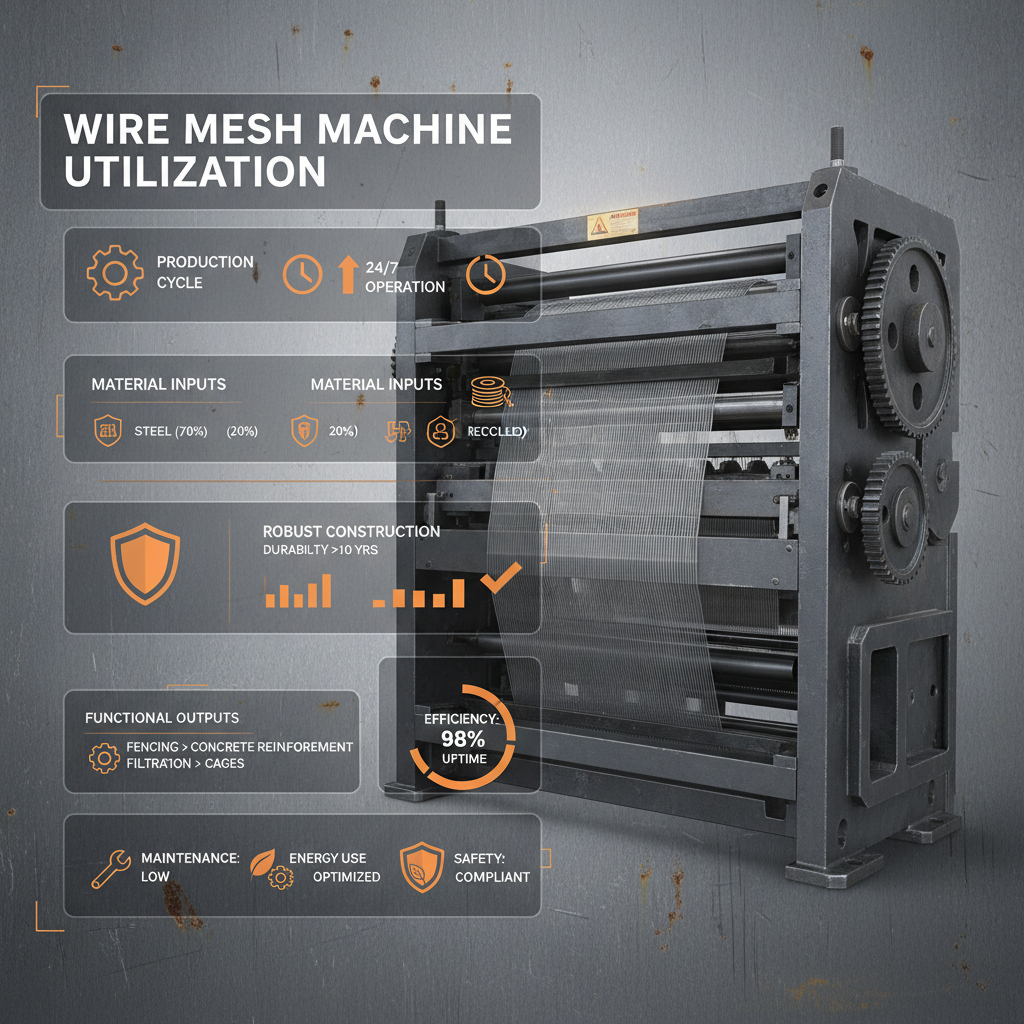
Wire mesh machine use has become increasingly crucial in a multitude of industries globally, from construction and agriculture to security and manufacturing. These machines, ranging from simple manual operations to highly automated systems, efficiently produce wire mesh with varying specifications, catering to diverse applications. The demand for wire mesh is consistently driven by infrastructure development, particularly in emerging economies, and its versatility as a foundational material across numerous sectors makes understanding its production methods paramount. This understanding extends beyond mere operation; it encompasses optimization, maintenance, and adaptation to evolving industry standards.
The global wire mesh market is currently experiencing significant growth, fueled by increased demand from the construction industry, particularly in Asia-Pacific. According to a report by Grand View Research, the global wire mesh market size was valued at USD 47.84 billion in 2022 and is projected to reach USD 67.94 billion by 2030, growing at a CAGR of 4.3% from 2023 to 2030. This growth directly correlates to the efficiency and scalability offered by advancements in wire mesh machine technology. Addressing challenges in material sourcing, operational costs, and environmental sustainability are key to unlocking the full potential of this market.
Understanding wire mesh machine use is therefore not just an engineering concern, but a crucial factor in economic development, resource management, and addressing critical needs in areas like disaster relief and public safety. The ability to rapidly produce high-quality wire mesh on demand offers solutions to infrastructure deficits, enhances security measures, and supports innovation in various applications, making its mastery a vital component of modern industrial practices.
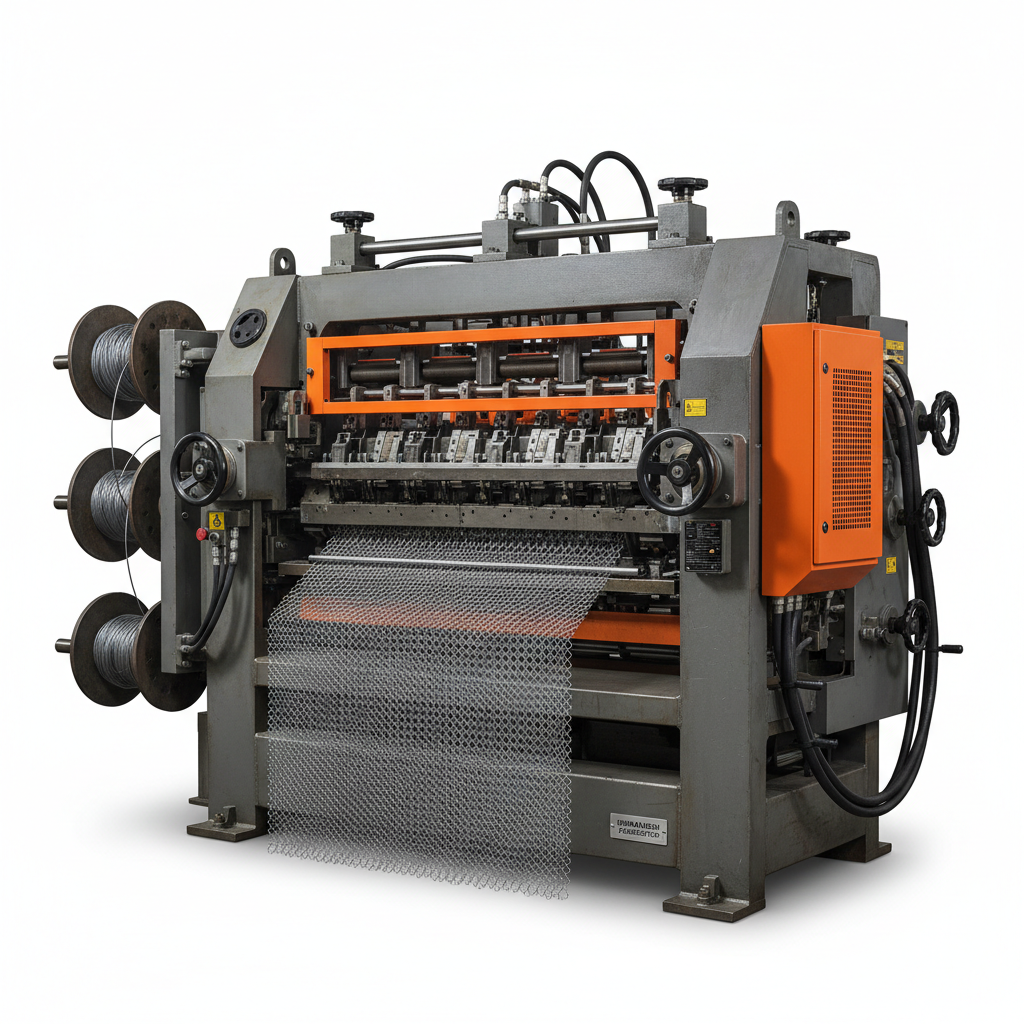
Introduction to wire mesh machine use
Wire mesh machine use encompasses the entire lifecycle of producing woven, welded, or expanded metal mesh. It begins with material selection – often steel, stainless steel, aluminum, or specialized alloys – and extends through the automated processes of shaping, forming, and finishing. The scope of ‘use’ isn’t simply operating a machine; it includes understanding machine parameters, troubleshooting issues, and ensuring consistent product quality.
This understanding is increasingly crucial in modern manufacturing due to the expanding roles of wire mesh across numerous sectors. From reinforcing concrete in construction projects and creating barriers for security applications, to serving as filters in industrial processes and forming the foundations for innovative composite materials, efficient wire mesh production directly supports infrastructural advancement and technological innovation. The proficiency in wire mesh machine use directly affects the quality, cost-effectiveness, and sustainability of these diverse applications.
Defining Wire Mesh Machine Use
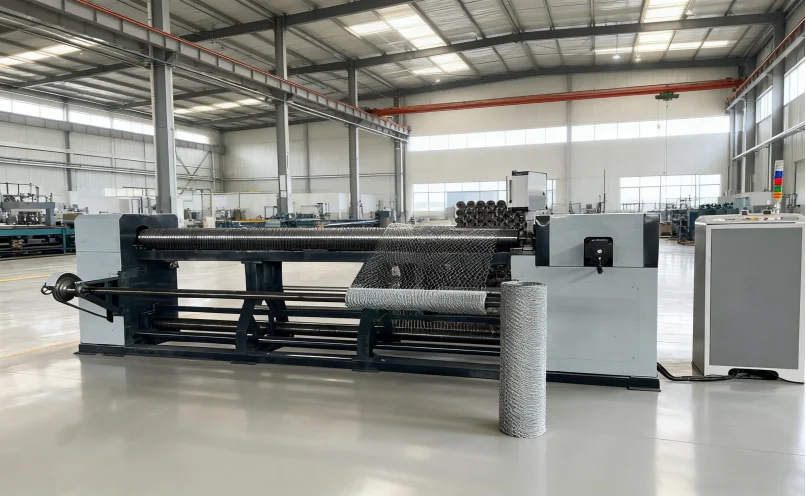
Wire mesh machine use, at its core, refers to the application of automated machinery to fabricate wire mesh. This encompasses several distinct processes, each served by dedicated machine types. Welded wire mesh machines, for example, utilize resistance welding to join wires at their intersection points, creating a robust and precise grid. Woven wire mesh machines, conversely, interlace wires using a weaving mechanism, resulting in a more flexible and generally finer mesh. Expanded metal mesh machines slit and stretch metal sheets to create a diamond or hexagonal pattern.
This production is intrinsically linked to modern industry, providing essential materials for a vast range of products. In humanitarian contexts, wire mesh plays a critical role in constructing temporary shelters, providing sanitation solutions, and reinforcing infrastructure in disaster-stricken areas. The speed and scalability afforded by modern wire mesh machines make them indispensable tools for both large-scale industrial output and rapid-response humanitarian aid.
Furthermore, advancements in machine technology are increasingly focused on sustainability, with manufacturers adopting energy-efficient designs and exploring the use of recycled materials to minimize environmental impact. This holistic approach to wire mesh machine use reflects a growing industry-wide commitment to responsible manufacturing practices.
Core Components of Wire Mesh Machines
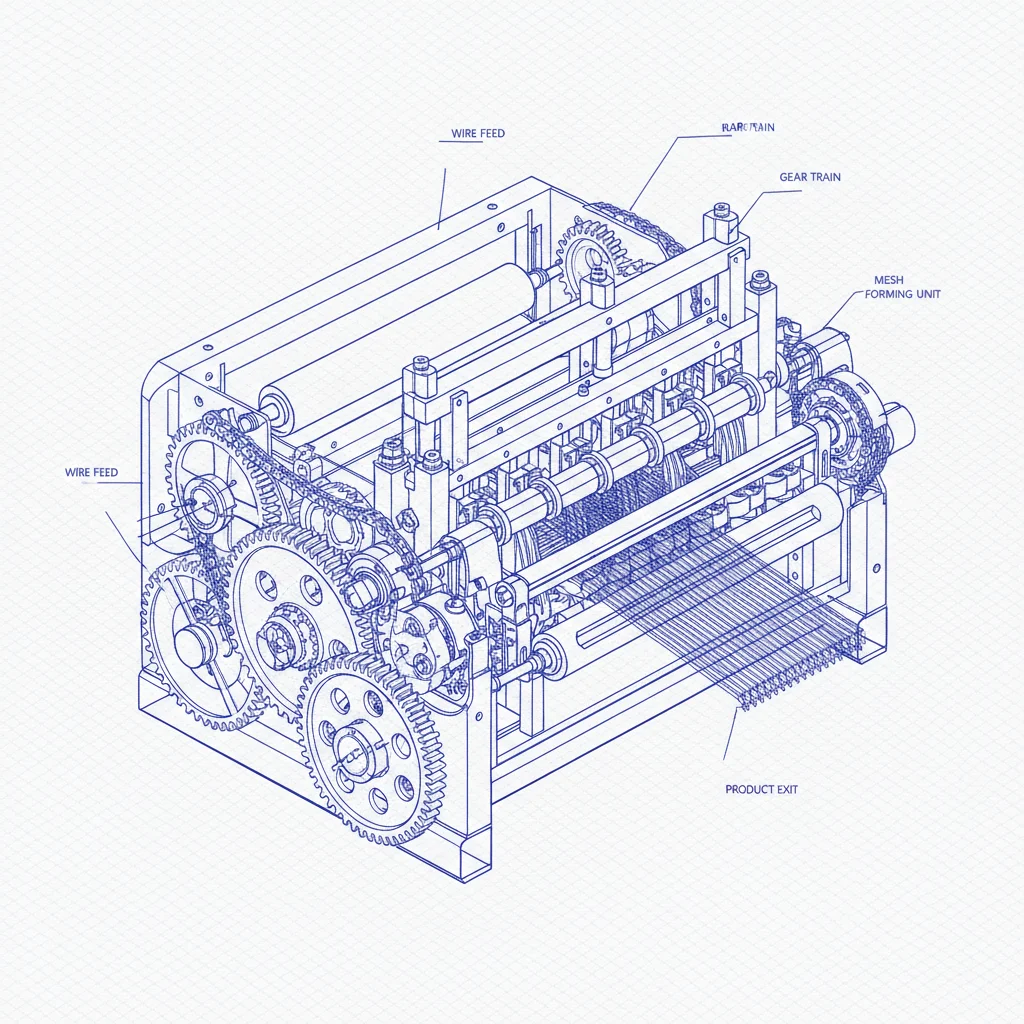
The core of any wire mesh machine relies on several essential components working in harmony. These include the wire feeding system, responsible for precisely delivering wire from a coil to the forming area; the forming mechanism, which shapes the wire through bending, welding, or weaving; and the control system, which orchestrates the entire process, managing speed, tension, and pattern complexity. Modern machines often integrate sophisticated sensors and programmable logic controllers (PLCs) for enhanced precision and automation.
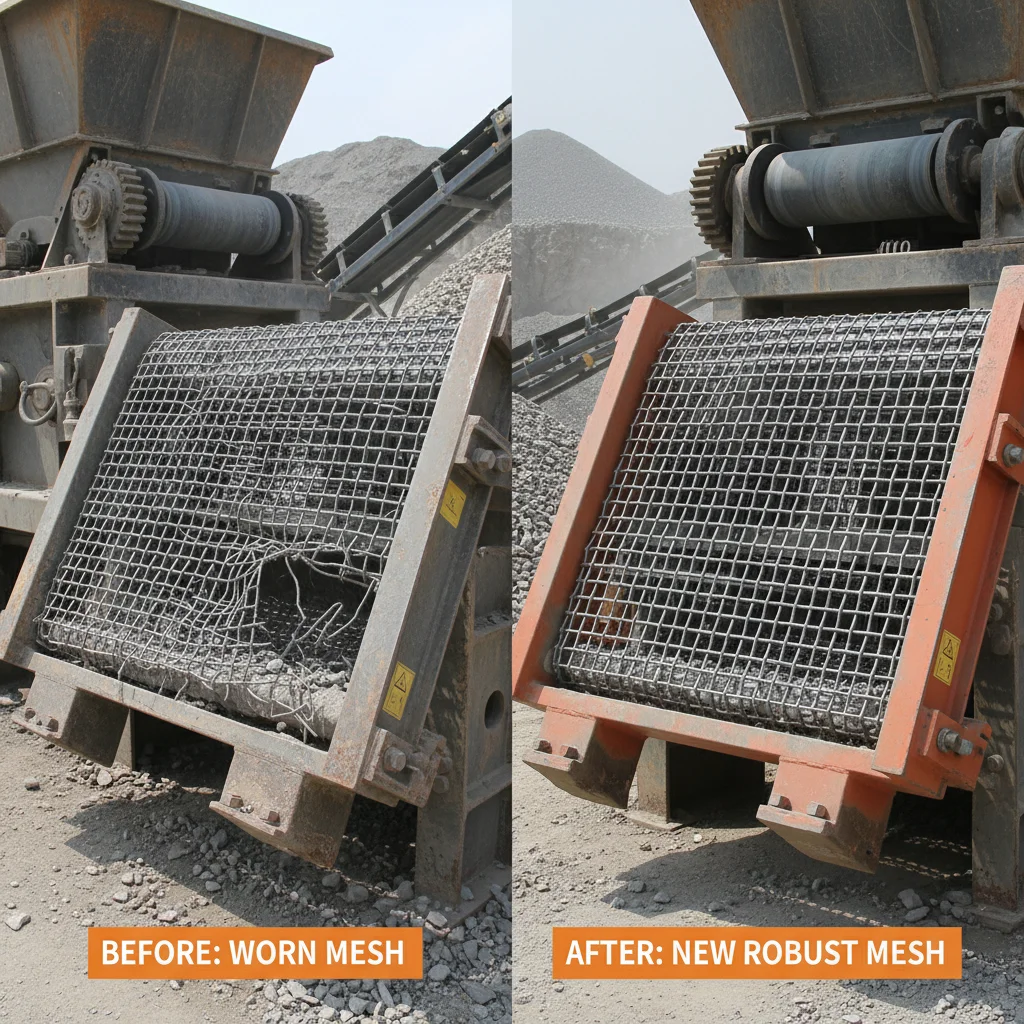
A crucial component often overlooked is the wire straightening unit. Imperfections in wire coils can lead to inconsistencies in the final mesh, so effective straightening is paramount. This unit utilizes rollers or drawing mechanisms to eliminate bends and ensure uniform wire tension. Furthermore, the cutting mechanism, whether employing shears, lasers, or other technologies, must deliver clean, accurate cuts to maintain mesh dimensions. The quality of these core components directly influences the final product’s strength, durability, and aesthetic appeal.
Finally, the collection and winding system automatically collects the finished mesh, ensuring efficient handling and preparing it for further processing or packaging. The design of this system is critical to prevent damage during handling and maintain the mesh’s structural integrity. Investing in high-quality components and regular maintenance are key to maximizing machine performance and extending its operational lifespan.
Key Factors Influencing Wire Mesh Machine Performance
Several factors significantly impact the efficiency and quality of wire mesh machine operations. Material properties, such as tensile strength and ductility, directly affect the forming process. Choosing the correct wire gauge and material grade for the intended application is critical for ensuring the mesh’s structural integrity. Machine speed and tension control are also crucial; maintaining optimal settings ensures consistent mesh dimensions and prevents wire breakage.
Wire Mesh Machine Performance Factors
Global Applications of Wire Mesh Production
Wire mesh produced by these machines finds widespread application across diverse industries. In construction, it's used for concrete reinforcement (rebar), plastering lath, and facade cladding. The agricultural sector leverages wire mesh for poultry fencing, crop protection netting, and livestock containment. The automotive industry utilizes wire mesh in filters, screens, and protective components.
Geographically, Asia-Pacific represents the largest market for wire mesh, driven by rapid urbanization and infrastructure development in countries like China and India. North America and Europe demonstrate significant demand for high-quality, specialized wire mesh used in advanced manufacturing and security applications. Even in remote industrial zones, access to efficient wire mesh production capabilities is essential for supporting local economies and infrastructure projects.
Advantages and Long-Term Value of Efficient Machines
Investing in high-performance wire mesh machines translates into numerous tangible benefits. Reduced material waste, increased production speed, and consistent product quality all contribute to lower overall costs. The ability to customize mesh specifications allows manufacturers to cater to niche markets and offer tailored solutions. Moreover, the enhanced precision of modern machines minimizes the need for manual finishing, saving labor costs.
Beyond purely economic advantages, efficient machines promote sustainability through reduced energy consumption and optimized material usage. This aligns with growing industry trends towards environmentally responsible manufacturing practices. Reliable operation fosters trust with customers, enhancing brand reputation and long-term business relationships. Ultimately, the long-term value of wire mesh machine use lies in its ability to drive innovation, enhance safety, and contribute to a more sustainable future.
Future Trends in Wire Mesh Machine Technology
The future of wire mesh machine use is poised for significant innovation. Automation and robotics are increasingly integrated into production lines, enabling fully automated operation and reducing the need for manual intervention. Digitalization, through the implementation of Industry 4.0 principles, allows for real-time monitoring, predictive maintenance, and optimized production schedules.
Furthermore, research into new materials, such as lightweight alloys and high-performance polymers, is expanding the range of applications for wire mesh. The development of more energy-efficient machines and the adoption of closed-loop recycling systems are driving sustainability initiatives. The integration of AI-powered quality control systems will ensure consistent product quality and minimize defects.
These advancements will undoubtedly shape the future of the industry, enabling manufacturers to produce more complex, durable, and sustainable wire mesh products to meet the evolving demands of a global market.
FAQS
Welded wire mesh machines fuse wires at intersections using electrical resistance, creating a rigid, durable grid. Woven wire mesh machines interlace wires over and under each other, resulting in a flexible and often finer mesh. Welded mesh is stronger and more suitable for structural applications, while woven mesh offers greater flexibility and is often used for filtering or screening.
Regular maintenance is crucial for optimal performance. This includes lubrication of moving parts, inspection and replacement of worn components (like cutting blades and rollers), cleaning of the machine to remove debris, and checking electrical connections. Following the manufacturer's recommended maintenance schedule is essential to prevent breakdowns and extend machine lifespan.
The appropriate wire gauge depends on the intended application and the load-bearing requirements. Thicker gauges provide greater strength but are less flexible. Consult engineering tables and industry standards to determine the suitable gauge based on factors like tensile strength, elongation, and allowable stress. Consider the environment and potential corrosion when selecting the wire material.
Always wear appropriate personal protective equipment (PPE), including safety glasses, gloves, and hearing protection. Ensure the machine is properly grounded and that all safety guards are in place. Never attempt to repair or adjust the machine while it's running. Follow all manufacturer’s safety guidelines and provide adequate training to operators.
Automation significantly reduces labor costs, minimizes material waste through precise control, and increases production speed. While the initial investment in automated machines is higher, the long-term cost savings outweigh the upfront expense. Automated systems also improve product consistency and reduce the risk of errors, leading to higher quality and customer satisfaction.
Beyond traditional steel and stainless steel, manufacturers are increasingly exploring materials like titanium alloys for high-strength, corrosion-resistant applications, and high-performance polymers for lightweight and specialized filtration needs. Recycled materials are also gaining traction as sustainability becomes a greater focus. The choice of material depends heavily on the specific application requirements.
Conclusion
In conclusion, wire mesh machine use is a cornerstone of modern manufacturing and infrastructure development. The ability to efficiently produce wire mesh of varying specifications is critical across a diverse range of industries, from construction and agriculture to automotive and security. Understanding the core components, key performance factors, and emerging trends in this field is essential for manufacturers seeking to optimize their operations, enhance product quality, and drive sustainable growth.
Looking ahead, continued innovation in automation, digitalization, and materials science will further transform wire mesh machine technology. Embracing these advancements will be crucial for staying competitive in a rapidly evolving global market. We invite you to explore the possibilities and discover how we can help you optimize your wire mesh production processes. Visit our website: www.htmeshmachines.com