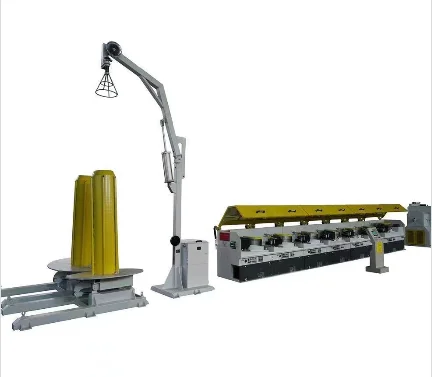
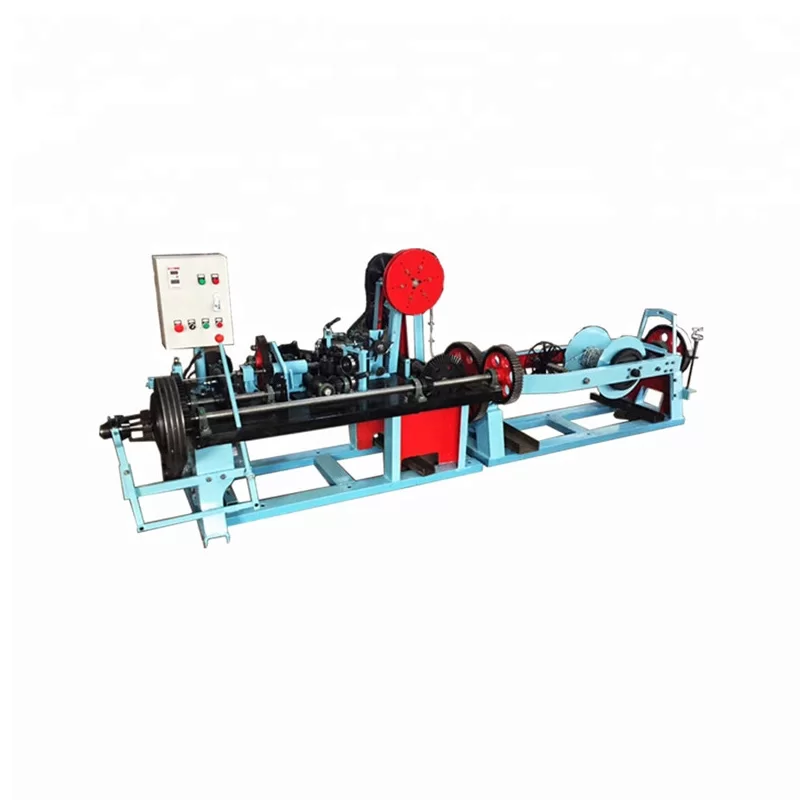
The global demand for versatile fencing and containment solutions has led to the rapid evolution of the hexagonal wire mesh machine, a critical piece of industrial equipment designed to produce high-quality chicken wire and honeycomb mesh. This machinery is essential for industries ranging from agriculture and livestock breeding to specialized construction and floral decoration, providing a balance of structural integrity and flexibility.
Understanding the technical nuances of a hexagonal wire mesh machine is vital for manufacturers aiming to reduce operational overhead while increasing output. Modern iterations of these machines focus on reducing the physical footprint and energy consumption, ensuring that production remains sustainable and cost-effective in an increasingly competitive global market.
By leveraging advanced PLC controls and innovative horizontal structures, the modern hexagonal wire mesh machine allows for the processing of both galvanized iron wire and plastic-coated wire. This versatility ensures that the resulting mesh can withstand diverse environmental stressors, making it an indispensable tool for global infrastructure and agricultural development.

Industry Context of Hexagonal Wire Mesh Machine
The industrial landscape for wire mesh production has shifted significantly toward automation to meet ISO quality standards and the rising demand for infrastructure in developing regions. The hexagonal wire mesh machine sits at the intersection of metallurgical precision and agricultural necessity, solving the problem of labor-intensive weaving and inconsistent mesh sizing.
Historically, producing hexagonal mesh required significant manual intervention and oversized machinery. Today, the focus has shifted toward "lean manufacturing," where machines are designed to be more compact and energy-efficient, allowing smaller workshops to compete on a global scale by producing high-precision mesh for pipelines and livestock.
Defining the Modern Hexagonal Wire Mesh Machine
A hexagonal wire mesh machine is a specialized industrial weaving device that twists metal wire into a consistent hexagonal pattern. Unlike standard welded mesh, this machine creates a flexible, woven structure that is ideal for applications where the material must contour to irregular shapes, such as in breeding cages or pipeline insulation.
In simple terms, it transforms spools of galvanized or coated wire into durable sheets of mesh. This process is critical for humanitarian and agricultural needs, as it provides a cost-effective way to secure boundaries, protect crops, and create lightweight yet strong enclosures for animal husbandry.
The modern definition of this machinery extends beyond simple weaving; it now encompasses integrated systems including spring winding and spool winding capabilities. This ensures that the entire production line, from raw wire to finished roll, is streamlined for maximum efficiency and minimal material waste.
Core Components and Technical Factors
One of the primary technical factors of a hexagonal wire mesh machine is its structural design. The adoption of a horizontal structure is a key innovation, as it allows the machine to run more smoothly, reducing vibration and extending the lifespan of the mechanical components during high-speed operation.
The integration of PLC (Programmable Logic Controller) equipment is a game-changer for the hexagonal wire mesh machine. By simplifying the operation process, PLC systems allow a crew of just two people to manage the entire production cycle, drastically lowering long-term labor costs while increasing the precision of the mesh size.
Material compatibility is another core factor. A high-performance hexagonal wire mesh machine must be capable of weaving both galvanized iron wire and plastic-coated wire. This versatility allows manufacturers to pivot between producing heavy-duty industrial fencing and specialized, corrosion-resistant mesh for decorative or aquatic uses.
Global Applications and Use Cases
The output of a hexagonal wire mesh machine is utilized across a vast array of global industries. In agriculture, it is the gold standard for poultry breeding and livestock fencing. In urban settings, the small-scale hexagonal mesh is frequently used for pipeline insulation and floral decoration, including wedding flower arrangements, where a balance of support and invisibility is required.
Beyond commercial use, this technology is applied in remote industrial zones for erosion control and in post-disaster relief operations to create temporary enclosures. The ability to manufacture customized mesh types ensures that whether the project is a large-scale grassland fence or a small-scale breeding cage, the machinery can adapt to the specific wire diameter and mesh size required.
Performance Comparison of Hexagonal Wire Mesh Machine Variants
Advantages and Long-Term Value
The primary advantage of investing in a modern hexagonal wire mesh machine is the dramatic reduction in operational costs. By combining market demand with innovative design, these machines offer a smaller footprint, which reduces factory rent costs and significantly lowers electricity consumption per unit of mesh produced.
Beyond the financial gains, there is a significant value in reliability and safety. A smoothly running horizontal structure minimizes mechanical failure and operator fatigue. The ability to produce a minimum mesh size of 10mm opens new market opportunities in the precision-mesh sector, allowing businesses to diversify their product range and build long-term trust with specialized clients.
Future Trends in Mesh Manufacturing
The future of the hexagonal wire mesh machine is leaning heavily toward digital transformation. We are seeing a transition toward IoT-enabled monitoring, where machine health and production metrics are tracked in real-time to prevent downtime and optimize wire usage.
Sustainability is also driving innovation. New machines are being designed to handle recycled metal wires and bio-degradable coatings, aligning the wire mesh industry with global green energy policies. This shift ensures that the production of fencing and insulation remains eco-friendly without sacrificing strength.
Furthermore, the trend toward extreme miniaturization of mesh sizes will likely continue. As industries like electronics and specialized filtration require smaller, more precise hexagonal structures, the next generation of weaving machinery will likely incorporate servo-motor precision to push the boundaries of what is possible in wire mesh geometry.
Technical Specifications and Performance Analysis
When analyzing the performance of a hexagonal wire mesh machine, the relationship between wire diameter and motor power is critical. For instance, a machine producing a 10mm mesh typically utilizes a motor around 5KW to maintain the necessary tension and twist speed, while larger meshes require scaled power to handle thicker wires.
The efficiency of the weaving process is also determined by the number of twists and the mesh width, which can range from 1200mm to 2300mm. This scalability allows the machine to serve both small-scale boutique needs and large-scale industrial orders.
The following table provides a detailed breakdown of the technical parameters that define the operational capacity of the hexagonal wire mesh machine across various mesh sizes.
Core Technical Parameters of the Hexagonal Wire Mesh Machine
| Mesh Size (mm) |
Wire Diameter (mm) |
Mesh Width (mm) |
Motor Power (KW) |
| 10 |
0.38-0.5 |
1200/2300 |
5 |
| 20 |
0.38-0.5 |
1200/2300 |
5 |
| 30 |
0.38-0.8 |
1200/2300 |
5 |
| 40 |
0.38-0.9 |
1200/2300 |
5 |
| 50 |
0.38-1.0 |
1200/2300 |
5 |
| 60+ |
0.4-1.5 |
1200/2300 |
5 |
FAQS
Modern high-precision machines are designed to produce a minimum mesh size of 10mm. This allows for the creation of specialized small-scale mesh used in pipeline insulation, breeding, and intricate floral decorations.
Yes, the hexagonal wire mesh machine is versatile enough to weave both galvanized iron wire and plastic-coated wire, allowing for a wide range of corrosion-resistant applications.
Thanks to the integrated PLC equipment, the operation is significantly simplified. Typically, only two people are required to operate the machine, which helps manufacturers greatly reduce long-term labor costs.
A horizontal structure ensures that the machine runs more smoothly with reduced vibration. This leads to higher product consistency, less mechanical wear and tear, and a safer working environment for operators.
To complete the production line, a hexagonal wire mesh machine is often paired with a Spring Winding Machine and a Spool Winding Machine to handle wire preparation and finished product collection.
Through an innovative design that reduces overall machine volume and footprint, these machines optimize energy transmission and use high-efficiency motors, resulting in a significant decrease in electricity costs per roll of mesh.
Conclusion
The hexagonal wire mesh machine represents a critical evolution in industrial weaving, blending PLC automation with a stable horizontal structure to deliver unprecedented efficiency. By allowing for a wide range of wire diameters (0.38mm to 1.5mm) and mesh sizes, it provides manufacturers with the flexibility to serve diverse markets, from heavy-duty fencing to delicate decorative meshes, all while reducing labor and energy costs.
As the industry moves toward smarter and greener production, investing in high-efficiency machinery is no longer optional but a necessity for survival. By adopting these advanced weaving technologies, businesses can ensure long-term sustainability, improve product quality, and meet the rigorous demands of the global infrastructure and agricultural sectors. Visit our website: www.htmeshmachines.com