Hit enter to search or ESC to close
18 November 2025
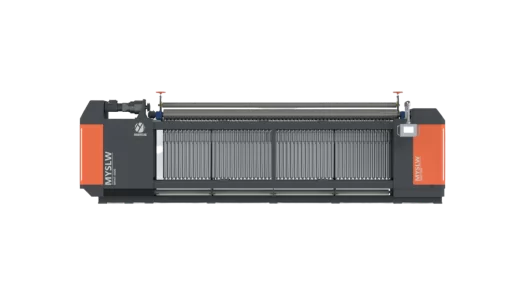
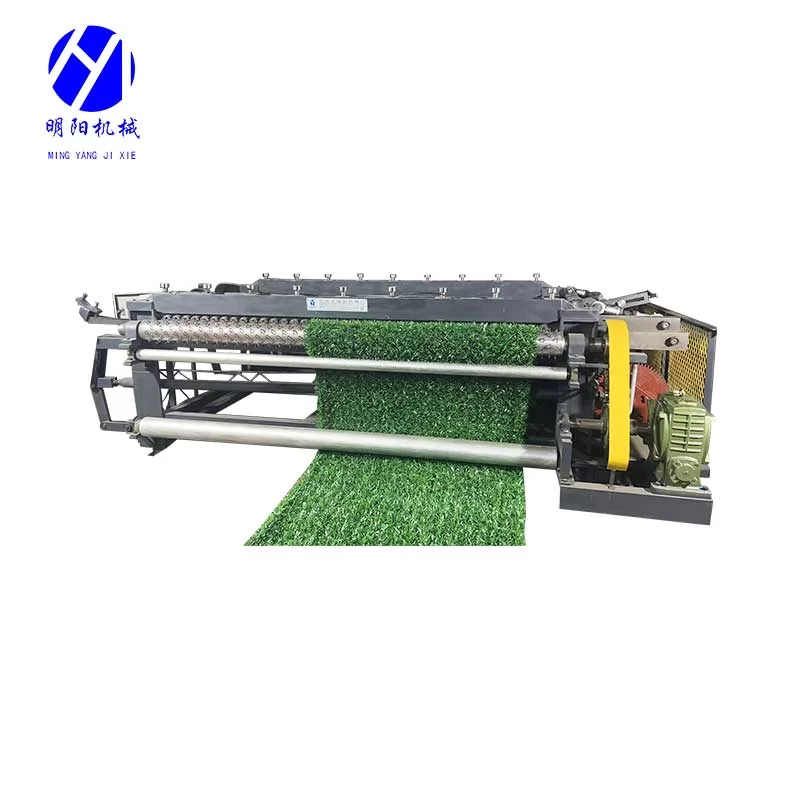
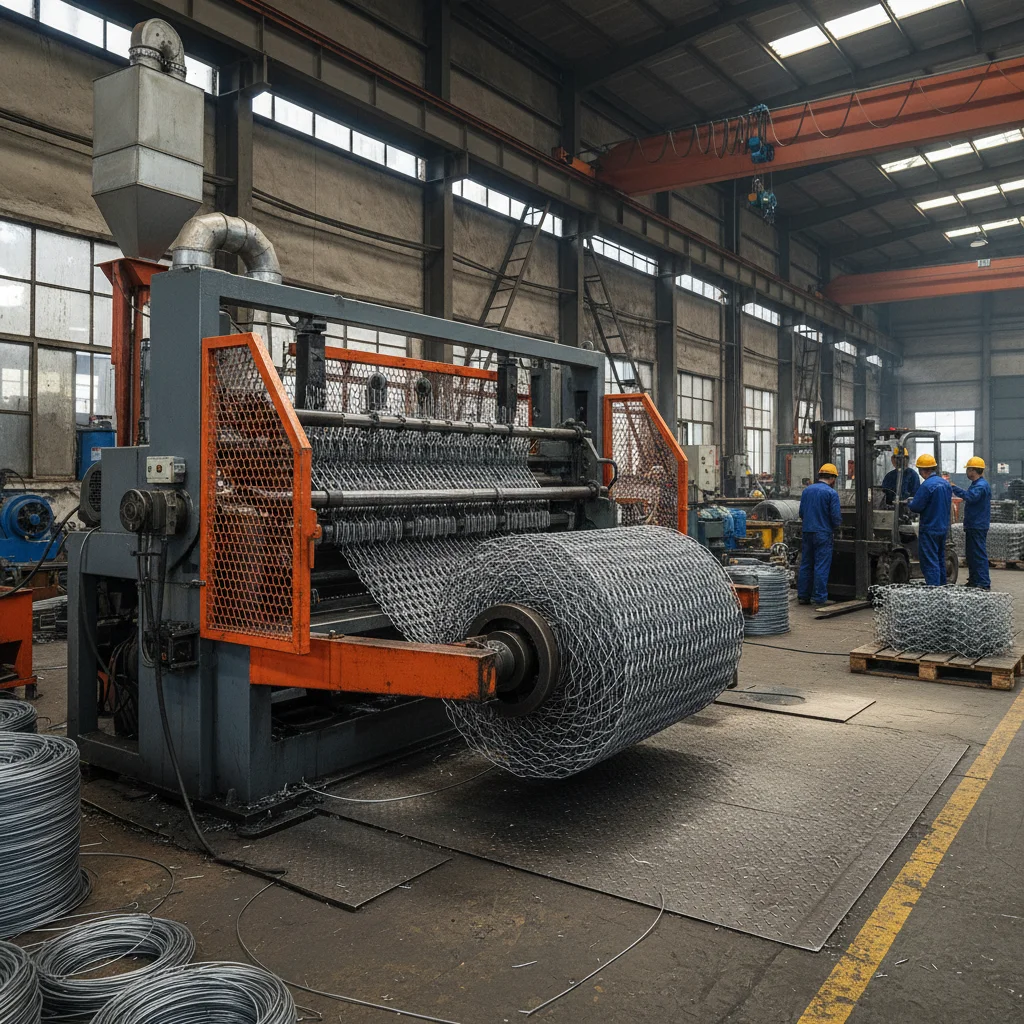
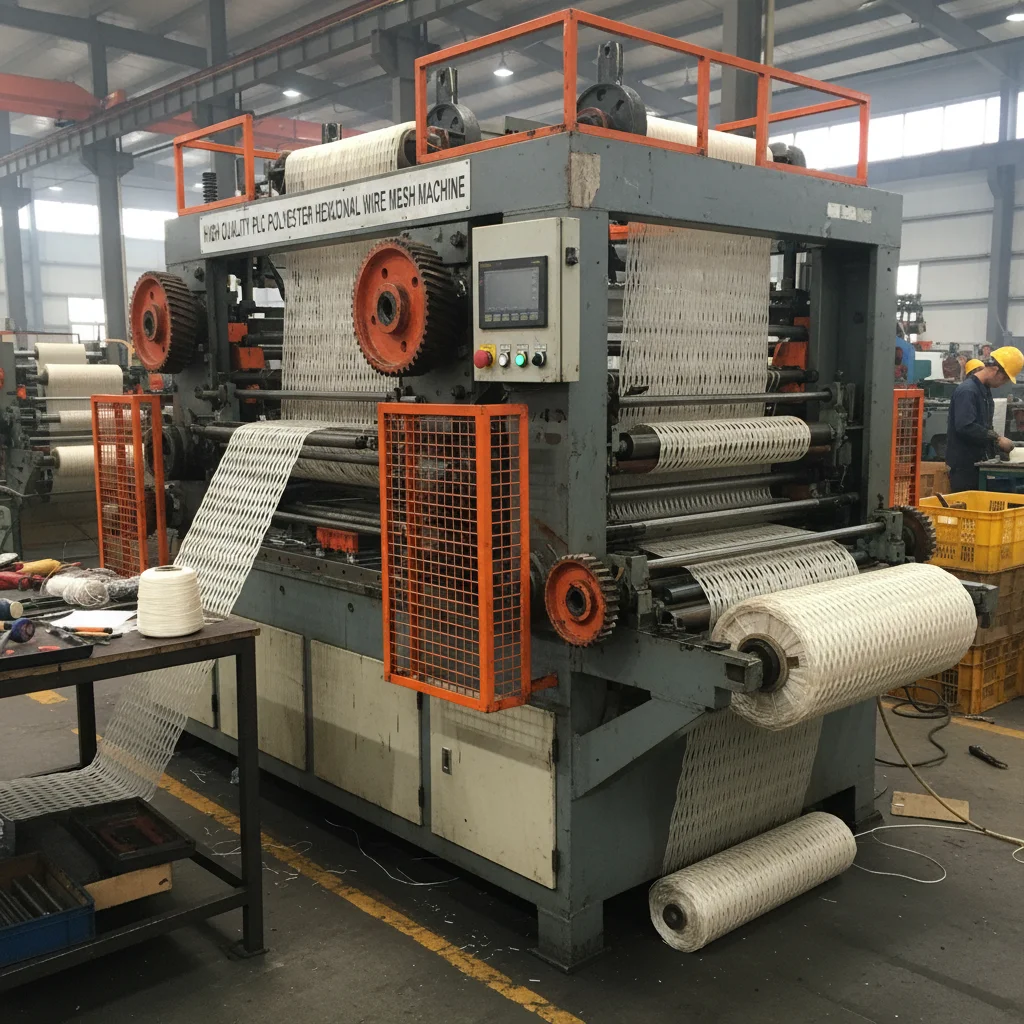
If you’re involved in manufacturing, agriculture, or construction, you might have come across the term PLC Polyester Hexagonal Wire Mesh Machine — a mouthful, I know. But behind that jargon lies a fascinating piece of equipment shaping industries worldwide. It’s not just some niche tool but rather a technology that answers a practical global challenge: producing highly resilient, lightweight, and cost-efficient hexagonal wire mesh, with polyester coating, for a huge variety of uses.
Why should this matter beyond factories or warehouses? Because hexagonal wire mesh — often known as chicken wire or hardware cloth — is fundamental for secure fencing, protective enclosures, erosion control, and even disaster relief barriers. And embedding it with polyester via a PLC-controlled production system means you get precision, durability, and adaptability in one punch. So, understanding what these machines do can highlight how industries improve quality and sustainability, especially when global resources and construction standards must keep evolving.
Mini takeaway: The PLC Polyester Hexagonal Wire Mesh Machine is a tech marvel marrying automation with durable materials — driving cost-effective production of versatile mesh worldwide.
Globally, infrastructure development and agricultural needs spike yearly. The construction sector alone accounts for approximately 13% of global GDP, according to World Bank statistics. Meanwhile, fencing and mesh products are cornerstones for land management, animal husbandry, and even eco-friendly urban projects.
However, the challenge lies in consistent mesh quality and durability. Plain metallic wire meshes corrode quickly, especially in coastal or humid environments, forcing replacements and driving up costs. Here, a polyester coating protects the wire, extending life up to 3x longer, while Programmable Logic Controllers (PLC) automate manufacturing to keep precision and cut waste.
Basically, these machines respond to growing industrial demands for efficient, scalable mesh production — with minimal human error — making them crucial for emerging economies and developed markets alike.
Mini takeaway: Automating polyester-coated mesh production addresses pivotal industrial and environmental challenges — enabling stronger, longer-lasting mesh products globally.
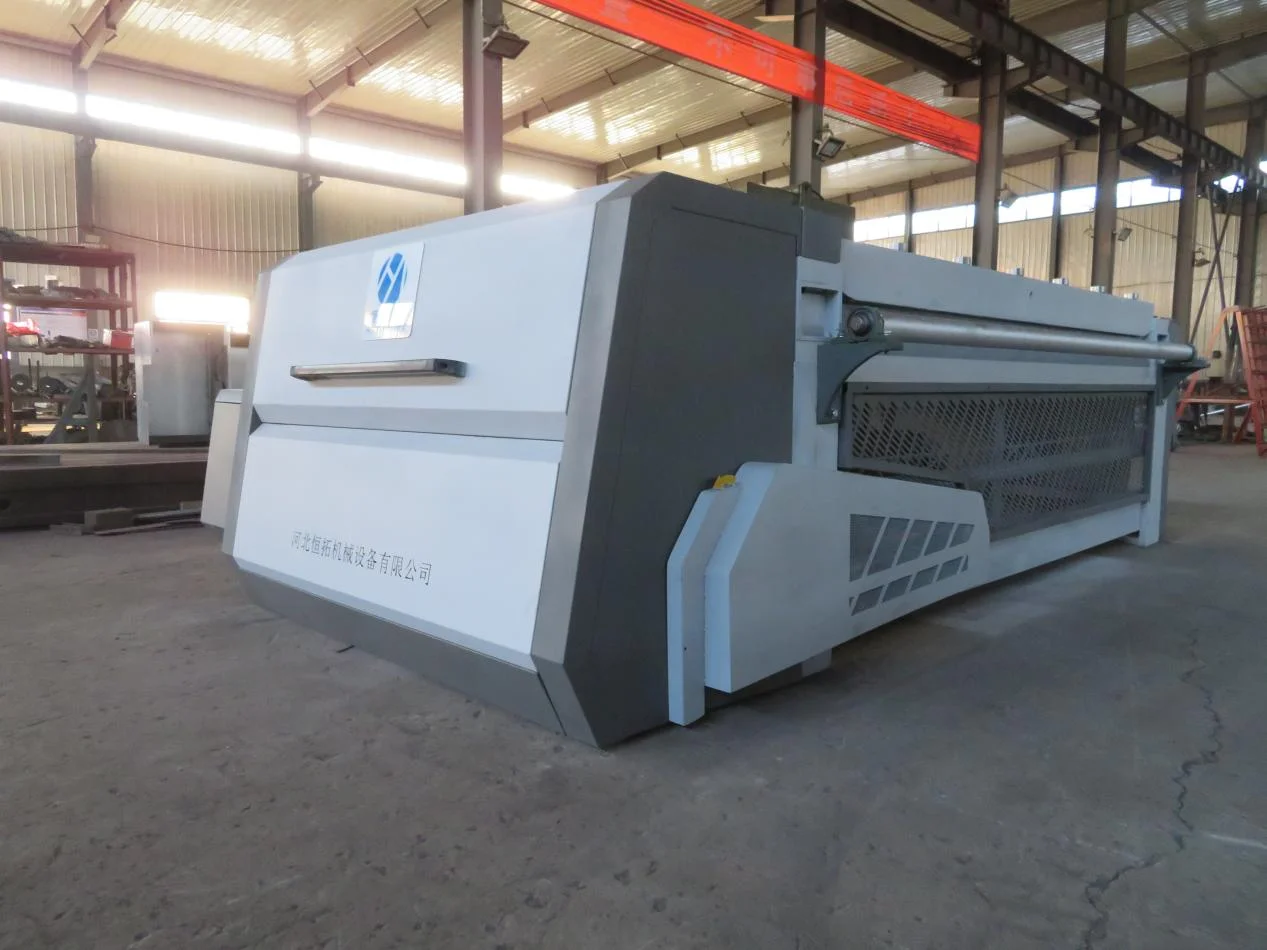
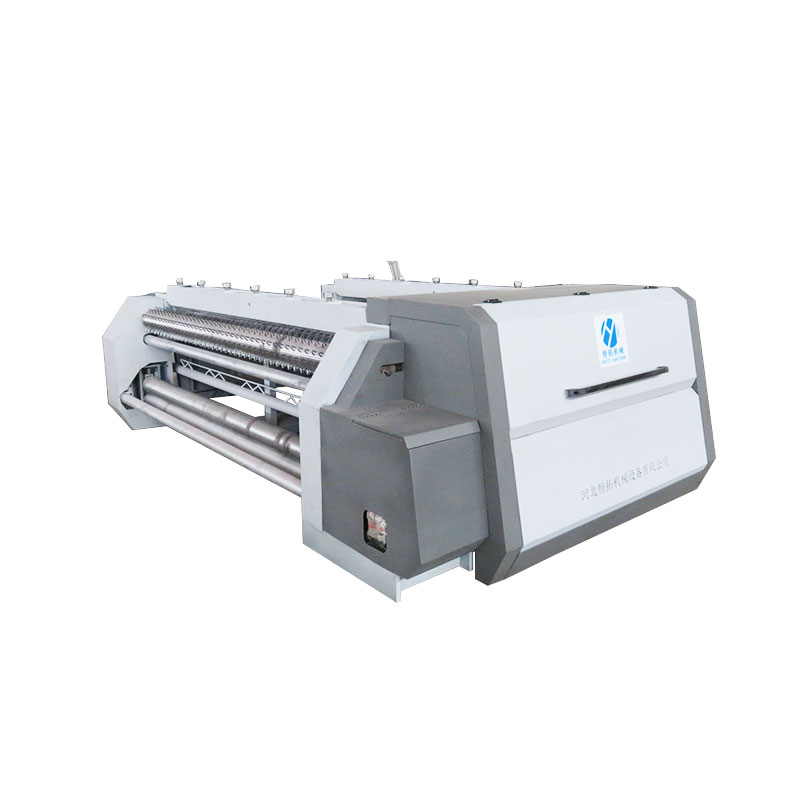
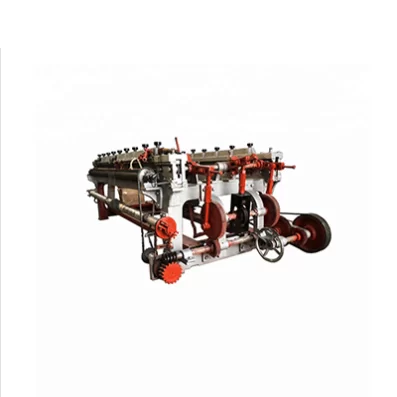
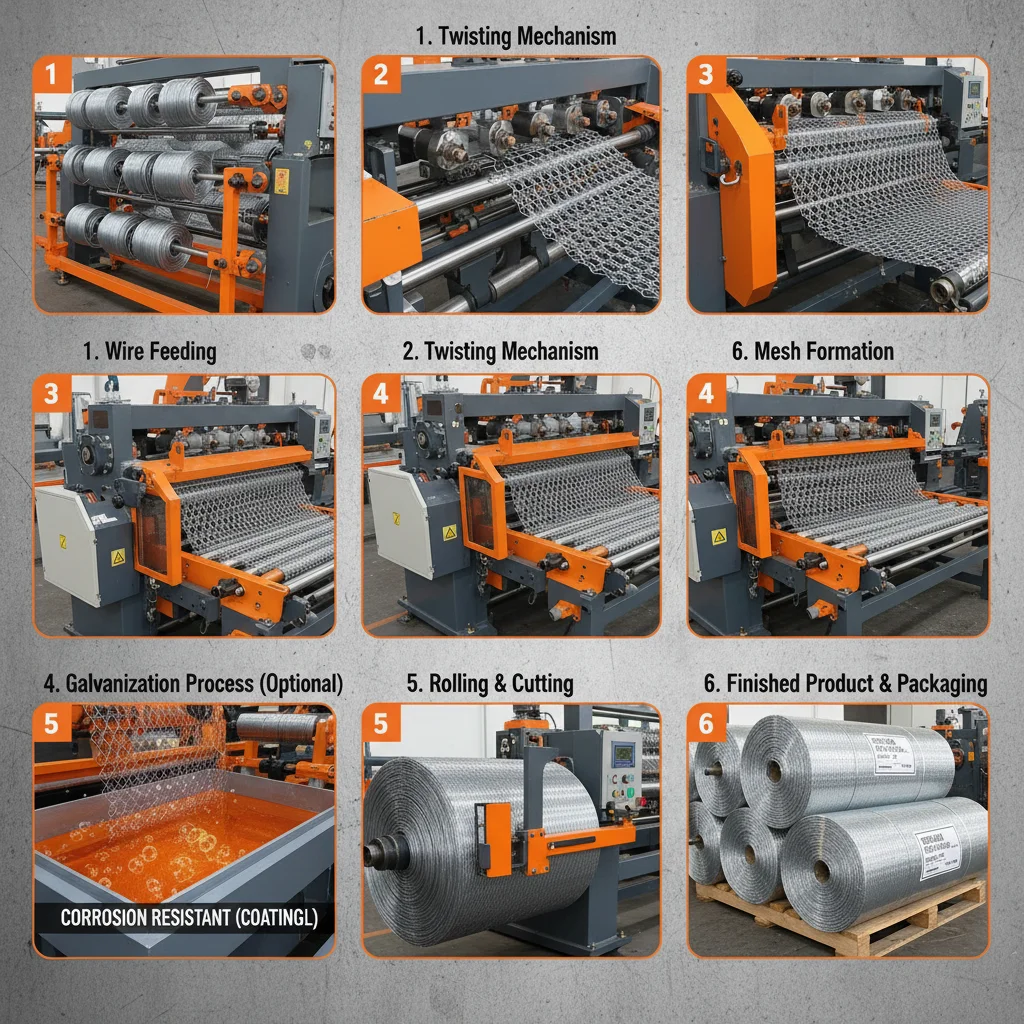
In simple terms, this machine is an automated system designed to weave hexagonal-shaped wire mesh and simultaneously apply a polyester coating, controlled through a PLC system. The PLC acts like the “brain,” managing speed, tension, and coating application to ensure uniformity and high-quality output. Hexagonal wire mesh is that recognizable chicken-wire pattern, widely used for fencing, cages, and reinforcement.
The addition of polyester coating injects resilience against corrosion, UV rays, and chemical exposure — vital for usage in harsh environments. Industries ranging from agriculture and construction to disaster relief rely on these machines to produce custom mesh widths and wire gauges, aligned with international standards.
Mini takeaway: The machine blends automation and material science to create durable, shaped mesh fundamental for modern industry and humanitarian use.
The polyester layer is key for weather resistance. It stops rust, reduces maintenance, and lengthens the mesh’s lifespan — a big win for customers in tropical or coastal zones.
The heart of the machine is its PLC system, offering precise control over wire feeding speed, coating temperature, and mesh dimensions — ensuring every roll meets strict specs.
Machine designs allow adjustment of mesh size between 10 mm to 50 mm hexagons, wire diameters from 0.5 to 2.0 mm, supporting multiple industries with different needs.
Automated processes minimize wasted wire and coating material, cutting production time — all of which translate into competitive pricing without sacrificing quality.
Modern machines integrate guards and emergency stop systems, addressing operator safety during high-speed wire weaving.
Mini takeaway: These machines are technical masterpieces combining smart controls, durable coatings, and flexible outputs to match evolving industrial demands.
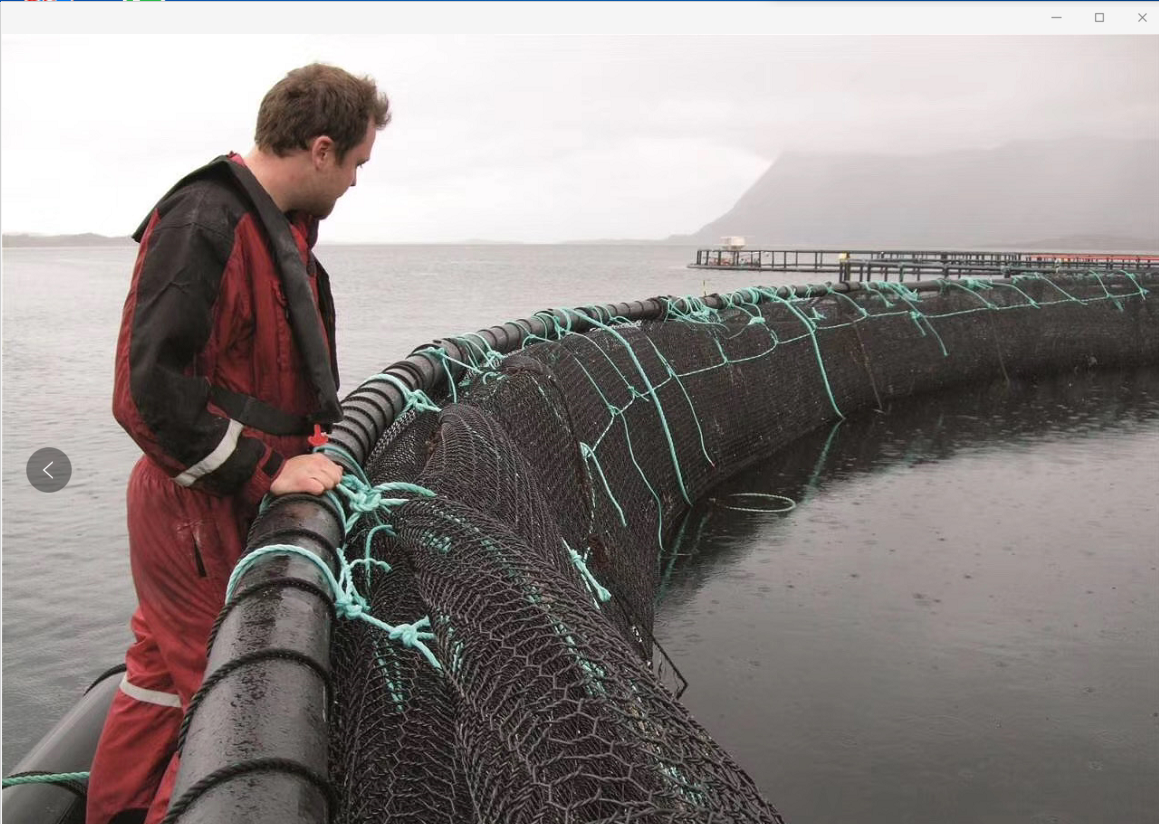
PLC Polyester Hexagonal Wire Mesh Machines serve diverse fields. In Southeast Asia, they’re heavily used in agricultural fencing — protecting crops and livestock from wildlife with minimal environmental footprint. Meanwhile, in Mediterranean Europe, the mesh supports hillside erosion control systems, combating landslides through stabilization.
Large NGOs working in disaster relief often specify polyester-coated hex mesh for makeshift shelters and debris fencing — it’s lightweight, reusable, and stands up to tough weather. In industrial zones, especially in North America and the Middle East, the mesh strengthens concrete reinforcement, thanks to consistent mesh dimensions ensured by PLC operation.
A quick case example: An Indonesian poultry farm boosted productivity by switching to polyester-coated chicken wire made on these machines — less damage and reduced replacement costs translated to better margins within a year.
Mini takeaway: From farms to emergency sites, hexagonal polyester-coated wire mesh is everywhere, underpinning both safety and sustainability.
· Reduced Maintenance Costs: Polyester coating resists corrosion, keeping fences and cages functional for years without frequent repairs.
· Precision Manufacturing: PLC automation ensures uniform quality, improving product reliability — crucial where safety matters.
· Environmental Benefits: Long-lasting mesh means fewer replacements and less scrap metal waste, aligning with ISO 14001 sustainability standards.
· Economic Impact: Lower downtime and material waste lead to cost savings passed on to end users, who benefit from durable, trustworthy materials.
· Social and Emotional Benefit: Whether securing livestock or safeguarding communities post-disaster, reliable fencing provides peace of mind and dignity.
Mini takeaway: These machines don’t just make mesh; they create materials that sustain economies and enhance lives, quietly but profoundly.
The future of PLC Polyester Hexagonal Wire Mesh Machines is headed toward smarter automation and greener materials. Industry watchers note increasing integration of IoT sensors to monitor machine health and production quality remotely — reducing downtime even further. On the material side, efforts are underway to develop bio-based polyester coatings to replace fossil fuel derivatives, syncing with circular economy principles.
Digitally, software upgrades will give customers even more control over mesh parameters via user-friendly interfaces, possibly with AI-assisted quality inspections. Expect machines becoming more energy-efficient, meeting stricter global emission targets.
Mini takeaway: With sustainability and smart tech converging, the next generation of these machines promises even more efficiency and eco-friendliness.
Despite advances, challenges remain. One common issue is the upfront cost of modern PLC machines, which can be steep for small manufacturers in developing regions. Also, polyester coating application requires consistent environmental conditions — high humidity or dust can affect adhesion quality.
Experts advise modular machine configurations so manufacturers can scale gradually. Plus, implementing clean-room coatings or enclosed workstations can stabilize production conditions. For financing, leasing programs or OEM partnerships often alleviate financial pressure.
Mini takeaway: Though not flawless, clever strategies and innovation keep this technology accessible and reliable.
Q: How does a PLC control improve polyester hexagonal mesh production over manual machines?
A: PLC systems automate and precisely control wire feeding, mesh shaping, and coating application, reducing errors and waste while increasing speed and consistency compared to manual setups.
Q: What industries benefit most from polyester-coated hexagonal wire mesh?
Primarily agriculture, construction (especially erosion control), poultry farming, disaster relief, and industrial reinforcement applications rely on these durable mesh products.
Q: Can these machines produce different mesh sizes and wire gauges?
Yes, versatile PLC-controlled machines allow customizable mesh dimensions and wire thicknesses to suit varying application needs.
Q: What is the typical lifespan of polyester-coated mesh made on these machines?
Depending on environment, polyester-coated hex mesh can last 5–10 years or more, roughly doubling the lifespan of uncoated metal meshes.
Q: How can small manufacturers afford these machines?
Many manufacturers explore leasing, government grants, or staged investments. Also, modular machine configurations allow initial smaller setups that expand over time.
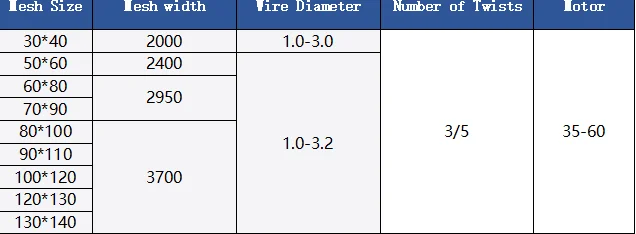
For those interested in exploring this technology, HT Mesh Machines provides industry-leading PLC Polyester Hexagonal Wire Mesh Machine solutions designed for efficiency and longevity.
At the end of the day, the PLC Polyester Hexagonal Wire Mesh Machine represents a quietly transformative technology. It answers practical needs for durability, automation, and environmental consideration in a single package. While challenges around cost and environmental control remain, ongoing innovations suggest the field will only improve — delivering mesh products that are safer, longer-lasting, and more adaptable to global needs.
Whether you’re an agricultural manager, industrial engineer, or NGO planner, investing time in understanding these machines pays off. For detailed info and personalized consultation, visit our official site. You might just find the perfect match for your project’s challenges.
References:
00001. Wikipedia: Construction Industry
00002. World Bank: Urban Development Overview
00003. ISO 14001 Environmental Management