Understanding Aquaculture Cage Nets: Essential Insights for a Growing Industry
When you think about aquaculture, images of vast, shimmering fish farms probably come to mind. At the heart of these operations lie the aquaculture cage nets—a fundamental technology that’s quietly transformed how we approach sustainable seafood production worldwide. But what exactly are these nets? Why are they so critical on a global scale, and what makes them not just tools but solutions for food security, environmental stewardship, and economic growth? Let’s explore.
Why Aquaculture Cage Nets Matter Globally
Fish farming is no longer a niche—it’s a behemoth industry predicted by the UN’s Food and Agriculture Organization (FAO) to supply over 60% of the world’s seafood by 2030. What keeps this industry afloat—literally and figuratively—are innovations like cage nets that allow fish to thrive safely in open waters, protecting them from predators while maintaining water flow and oxygen. The stakes are high: with wild fisheries often overexploited, aquaculture cage nets support a sustainable path forward for feeding a growing population. But the challenge lies in balancing durability, environmental impact, and cost, all while scaling operations globally.
Mini Takeaway: The global seafood supply depends heavily on aquaculture cage nets to sustainably farm fish, making understanding their design and use key for industry success.
Defining Aquaculture Cage Nets
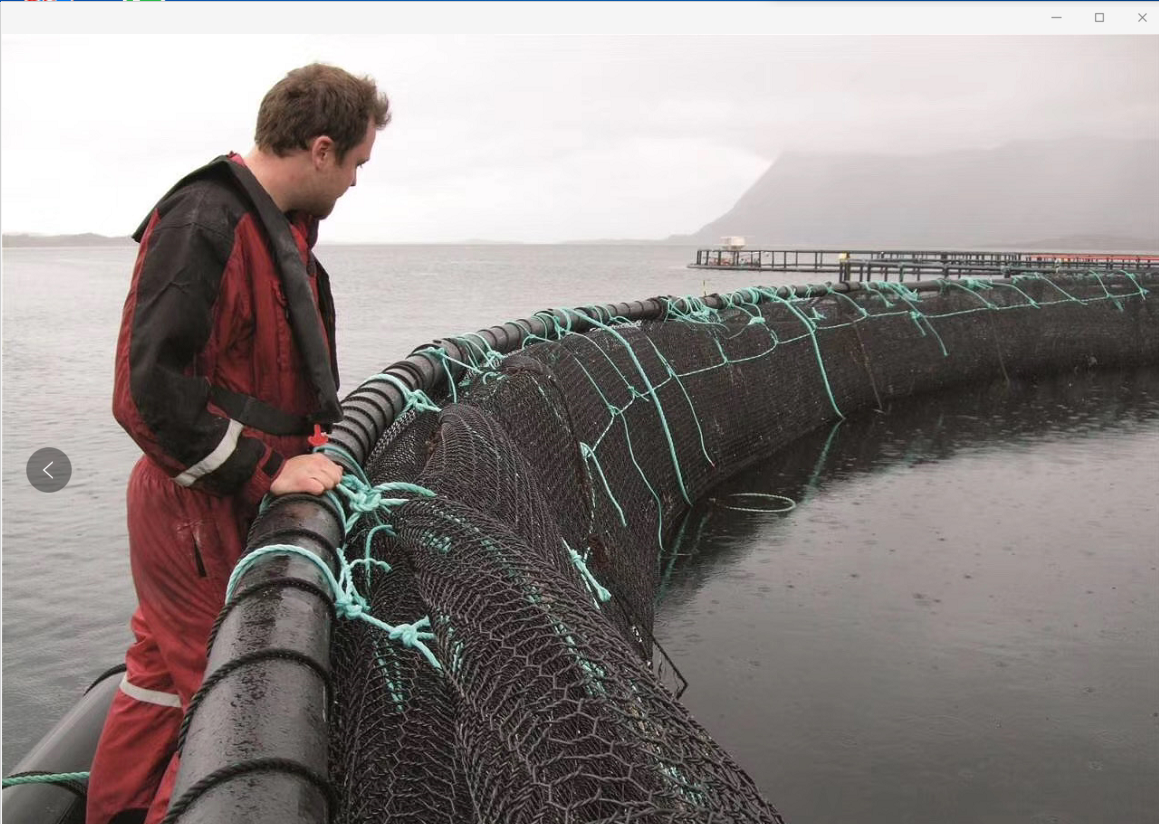
In simple terms, an aquaculture cage net is a specially engineered mesh enclosure used in fish farming to contain aquatic species—like salmon, tilapia, or sea bass—within a defined aquatic area. Unlike traditional ponds, these cages float or are anchored in open water bodies such as oceans, lakes, or rivers. The concept bridges modern aquaculture with environmental needs by offering containment without isolating the fish from natural water conditions.
This connection to the environment is crucial. By allowing water to flow freely through the mesh, cage nets reduce stress on the fish and disperse waste, mimicking natural conditions better than closed tanks. Moreover, advances in net design have addressed issues of escapement and durability, propelling aquaculture into the 21st century.
Core Components of Aquaculture Cage Nets
1. Durability & Material Strength
The nets must resist corrosion, UV exposure, biofouling, and mechanical stress from weather and marine life. Commonly, high-density polyethylene (HDPE) or nylon fibers are used, chosen for their tensile strength and lifespan often exceeding five years, depending on maintenance.
2. Mesh Size & Design
Mesh size is carefully engineered: small enough to prevent fish escape, yet large enough to allow water circulation and detritus removal. This optimal balance impacts fish health and farm sanitation directly.
3. Scalability & Modularity
Modern cages come in modular panels, allowing farmers to expand or modify their setups with relative ease—an important factor for adapting to market demands or site conditions.
4. Environmental Compatibility
Eco-friendly nets are designed to minimize entanglement with wildlife and reduce plastic pollution risks. Innovations include biodegradable coatings or materials and anti-fouling treatments that cut down cleaning frequency and chemical usage.
5. Cost Effectiveness
The initial investment in high-quality cage nets pays dividends through reduced fish loss, lower maintenance, and extended product lifespan. Prices naturally vary by size and material but remain a critical focus for commercial operations.
Mini Takeaway: The performance of aquaculture cage nets hinges on material strength, smart design, adaptability, environmental care, and economic viability.
Global Applications and Use Cases
- Scandinavia: Nordic salmon farms rely heavily on robust cage nets to weather rough seas and cold waters.
- South East Asia: Tilapia and shrimp farms near coastal and riverine systems benefit from modular nets allowing rapid deployment and easy replacement.
- Post-Disaster Relief: Organizations have utilized portable cage nets to rapidly restart fish farms after floods or hurricanes, especially in island communities.
- Remote Industrial Zones: Aquaculture cage nets support food self-sufficiency in isolated areas with limited land resources.
Many manufacturers now work to tailor nets for local environmental conditions, helping enhance productivity while preserving biodiversity.
Advantages and Long-term Value
Let's get real—beyond operational logistics, the advantages of well-designed aquaculture cage nets are multifaceted:
- Economic: Reduced losses from fish escapement or predation mean better yields and profitability.
- Environmental: Improved waste dispersal and less chemical use translate to healthier aquatic ecosystems.
- Social: Reliable protein sources support food security and empower local economies, preserving traditional fishing cultures.
- Trust & Innovation: The best nets boost confidence among farmers and investors alike, driving further innovation and sustainability.
Mini Takeaway: Aquaculture cage nets deliver economic, ecological, and social benefits that foster sustainable seafood production.
Product Specification Table: Typical Aquaculture Cage Net Features
| Feature |
Details |
Common Material |
| Mesh Size |
12–25 mm (varies by species) |
Nylon HDPE |
| Tensile Strength |
50–100 kg/cm glide |
Polyethylene |
| UV Resistance |
High (5+ years lifespan) |
UV-stabilized fibers |
| Anti-fouling Treatment |
Chemical or enzymatic coatings |
Depends on vendor |
| Typical Dimensions |
5–50 m diameter cages, modular designs |
N/A |
Major Vendors Comparison Table
| Company |
Material Quality |
Environmental Certifications |
Customization Options |
Global Reach |
| HT Mesh Machines |
High-grade nylon HDPE |
ISO 9001, MSC-compliant |
Tailored mesh size and treatment |
Worldwide |
| EcoNet Solutions |
Biodegradable composites |
GOTS-certified |
Limited modularity, more eco-focus |
Europe & Asia |
| MaritiNet Enterprises |
Standard nylon mesh |
Basic eco-labeling |
Stock sizes, less custom |
Latin America, Africa |
Looking Ahead: Future Trends and Innovations
The future of aquaculture cage nets is leaning into smart, sustainable tech. Imagine nets embedded with sensors to monitor fish health and water quality in real-time, or new materials developed to biodegrade harmlessly if lost at sea. Digital transformation is already in motion, integrating AI-powered diagnostics and remotely operated cleaning systems—cutting costs and manual labor. Green energy initiatives are also nudging farms to power operations sustainably, creating a more circular ecosystem. It’s an exciting time where engineering meets ecology in real ways.
Challenges and Solutions
That said, it’s not all smooth sailing. Challenges include biofouling buildup that limits oxygen flow, occasional net damage from storms or predators, and the risk of microplastic pollution from degrading nets. Solutions are emerging though—from enzymatic coatings reducing fouling, modular nets that can be quickly repaired or replaced, to stricter regulations on material sourcing. Collaborations between manufacturers, researchers, and governments help push innovation forward.
Frequently Asked Questions About Aquaculture Cage Nets
- Q: How long do aquaculture cage nets usually last?
- A: With proper maintenance, high-quality aquaculture cage nets often last between 5 to 7 years. Factors like UV exposure, water salinity, and biofouling can shorten this, so periodic inspection and cleaning are essential.
- Q: What material is best for aquaculture cage nets?
- A: Nylon and high-density polyethylene (HDPE) are among the preferred materials due to their tensile strength, flexibility, and resistance to UV rays. Recent advances also explore biodegradable alternatives, though these are less common in commercial-scale farms.
- Q: Can aquaculture cage nets prevent escapes and protect wildlife?
- A: Modern net designs aim to minimize fish escapement and reduce entanglement risks for other marine animals by optimizing mesh size and shape. Yet, no system is perfect—you’ll find ongoing research focused on improving these aspects to meet stricter environmental standards.
- Q: How customizable are aquaculture cage nets?
- A: Quite customizable! Mesh size, material treatments, and cage dimensions can be tailored. Vendors like HT Mesh Machines often work directly with clients to design solutions suited to specific species, environments, and budgets.
- Q: Are cage nets eco-friendly?
- A: Most nets today incorporate eco-conscious materials and treatments. Nonetheless, sustainability depends heavily on proper usage, maintenance, and disposal. Innovations in biodegradable and recyclable nets are making strides towards greener aquaculture.
Conclusion: A Returning Wave of Opportunity
Ultimately, aquaculture cage nets are not just fishing gear—they are cornerstones for a future where seafood farming balances productivity with planet health. Their durability, adaptability, and evolving innovations position them squarely at the nexus of technology and nature. For anyone invested in sustainable aquaculture or food security, understanding these nets' roles and capabilities is invaluable.
Curious to see how these nets come to life and what solutions fit your needs? Head to HT Mesh Machines to explore industry-leading products and expert guidance.
Mini Takeaway: The smart use of aquaculture cage nets represents a vital step toward scalable, sustainable seafood production worldwide.