Hit enter to search or ESC to close
3 February 2026
Successful fish farming hinges on creating a safe and productive environment for your aquatic stock. A crucial component of this is selecting the appropriate net for fish farming. Different fish species, farming methods, and environmental conditions require specific net characteristics. This article explores the key considerations when choosing the right net, covering materials, mesh size, durability, and cost-effectiveness. We'll help you understand how the right net selection can maximize yields and minimize losses. Investing in a quality net is an investment in the future of your aquaculture operation.
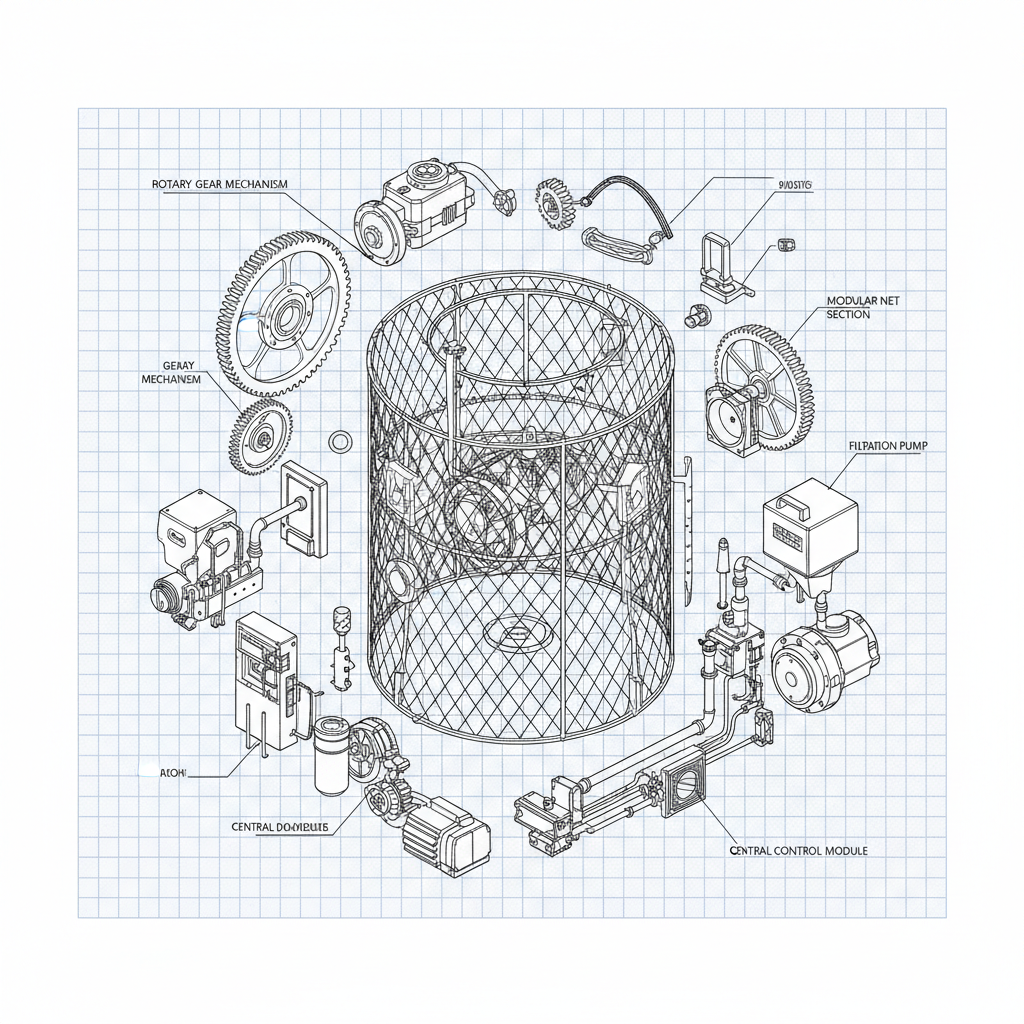
Fish farming nets are commonly made from nylon, polyethylene (PE), or polypropylene. Each material offers unique advantages and disadvantages. Nylon is known for its high strength and elasticity, making it suitable for containing larger, more active fish. However, it can be susceptible to UV degradation. Polyethylene, on the other hand, is highly resistant to UV rays and chemical exposure, offering excellent durability in harsh environments. Polypropylene is a cost-effective option with good strength and abrasion resistance. The best material depends on your specific needs and budget. HTM Mesh Machines offers a wide variety of materials to suit your aquaculture needs.
Key Material Considerations: Durability, UV resistance, cost, and suitability for the specific fish species being farmed. Choosing the correct material is crucial for long-term performance and minimal maintenance.
The mesh size of your fish farming net is a paramount consideration. It directly impacts fish growth, mortality rates, and overall farm productivity. Too large a mesh size allows fish to escape, leading to significant economic losses. Too small a mesh size restricts water flow, potentially reducing oxygen levels and hindering fish development. The optimal mesh size depends on the fish species, their growth stage, and the farming system. For example, smaller mesh sizes are required for juvenile fish, while larger mesh sizes are appropriate for mature fish.
Mesh Size Guidelines:
• Juvenile Fish: 3mm – 6mm
• Fingerlings: 6mm – 12mm
• Adult Fish: 12mm – 25mm+
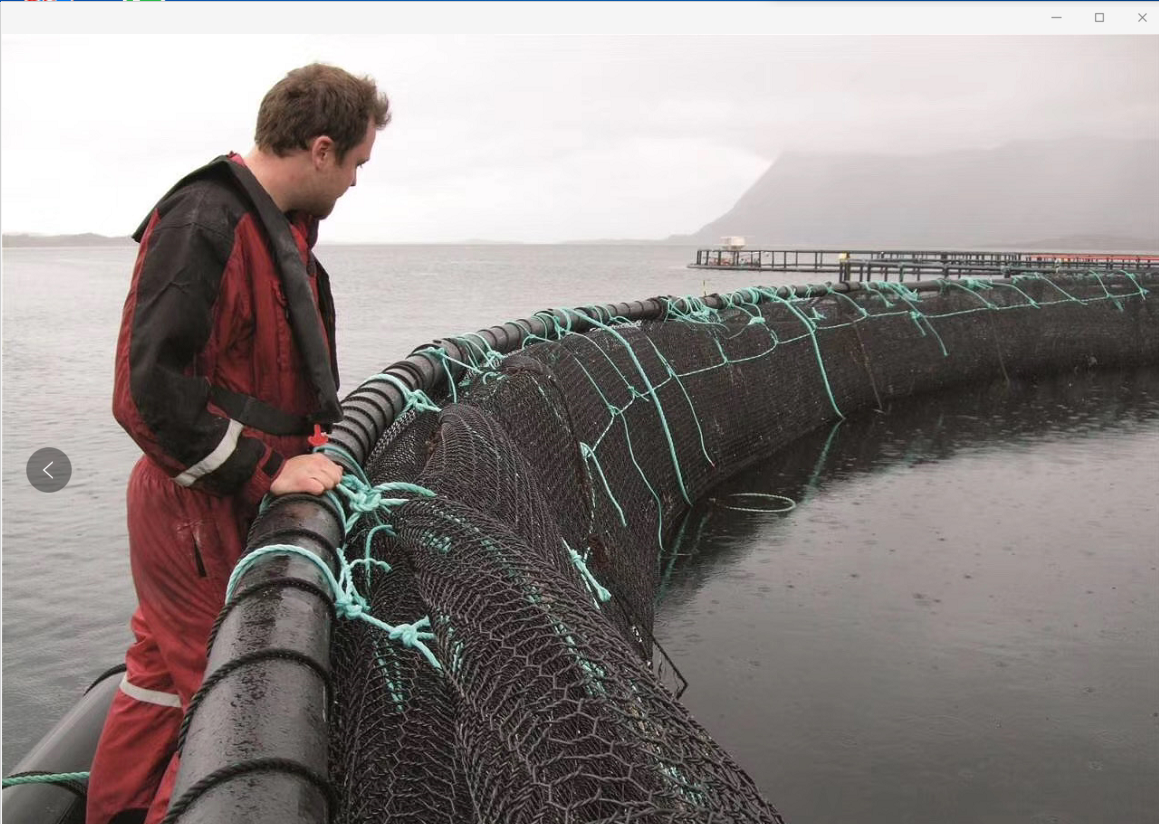
The type of fish farming system you employ – whether it's a pond, raceway, or net pen – will influence the best net choice. Ponds typically require durable, bottom-weighted nets to prevent fish from escaping under the edges. Raceway systems demand nets with strong tensile strength to withstand the continuous flow of water. Net pens necessitate nets that can endure constant wave action and marine growth. Considering these specific demands ensures the longevity and effectiveness of your netting solutions. HTM Mesh Machines can help you select the ideal net type for your system.
Several factors can impact the lifespan of your fish farming net. Exposure to UV radiation, abrasion from fish movement and debris, and biofouling (the accumulation of marine organisms) are all common causes of degradation. Regular inspection and maintenance, such as cleaning and repairing minor damage, can significantly extend the net's useful life. Consider using nets with UV stabilizers and anti-fouling coatings to minimize these effects. Additionally, proper storage during periods of inactivity is essential to prevent deterioration.
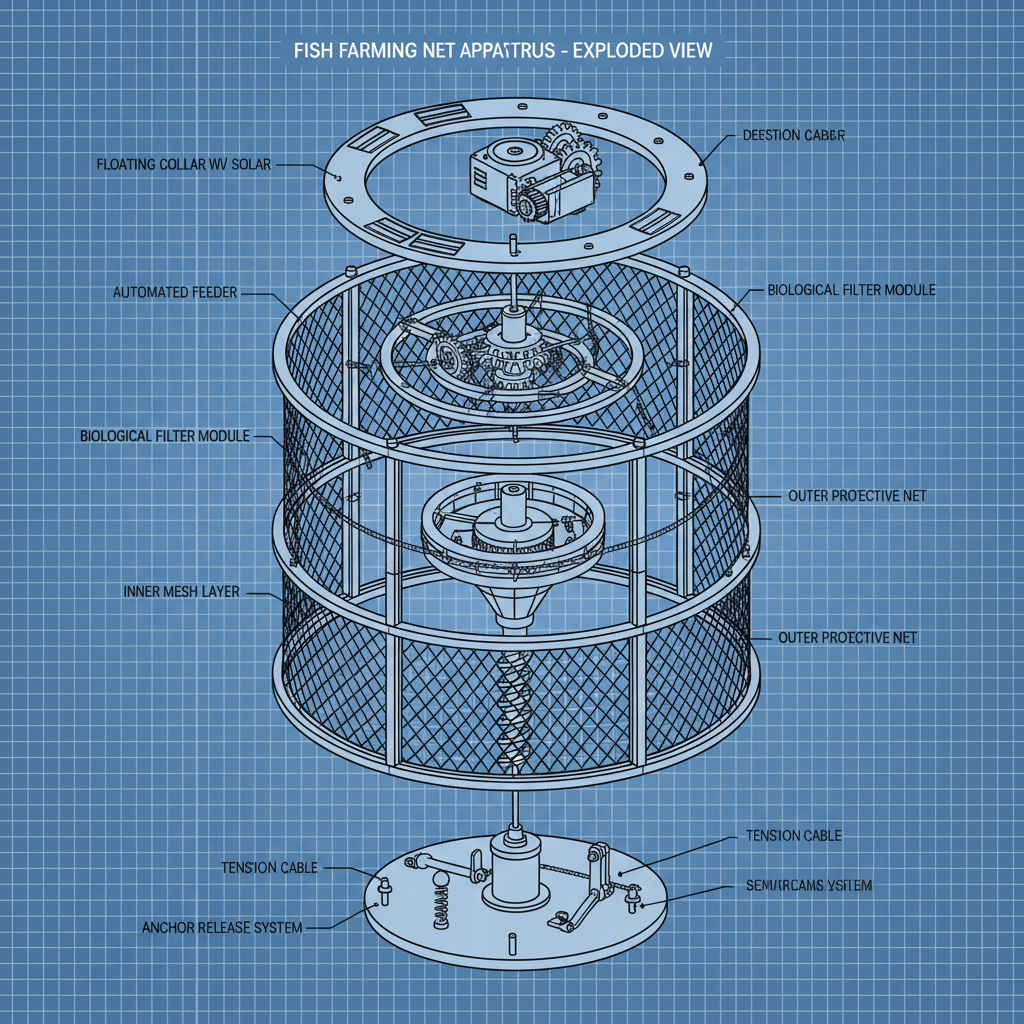
While initial cost is a factor, focusing on long-term value is crucial when choosing a net for fish farming. A cheaper net may require more frequent replacements, ultimately costing more in the long run. Investing in a high-quality, durable net will save you time and money on maintenance and replacements. Consider the total cost of ownership – including purchase price, lifespan, maintenance, and potential losses due to net failure – when making your decision. HTM Mesh Machines provides netting solutions to fit a variety of budgets without sacrificing quality.
Choosing the right net for fish farming is a critical investment in the success of your aquaculture operation. By carefully considering factors such as material, mesh size, farming system, durability, and cost, you can ensure a safe, productive, and sustainable environment for your fish. Don't hesitate to consult with experts like those at HTM Mesh Machines to find the perfect netting solution for your specific needs.
The replacement frequency depends on several factors, including the material, environmental conditions, and intensity of use. Generally, nets should be inspected regularly (at least quarterly) for wear and tear. Nylon nets typically last 2-3 years, while polyethylene nets can last 5-7 years or longer with proper maintenance. If you notice significant damage, such as large tears or weakened mesh, it's time for a replacement. Ignoring damage can lead to fish escapes and economic losses. Consider a preventative replacement schedule to minimize risks.
Regular cleaning is vital for maintaining net integrity. Gently rinse the net with fresh water to remove debris, algae, and biofouling. Avoid using harsh chemicals or abrasive cleaners, as these can damage the net material. For stubborn build-up, a mild detergent solution can be used, followed by a thorough rinse. Allow the net to dry completely before storing it. Regular cleaning minimizes the risk of disease transmission and improves water flow.
Minor tears and damage can often be repaired, extending the net's lifespan. Use a net mending needle and appropriate thread (matching the net material) to patch small holes. For larger tears, a patch of similar netting can be sewn over the damaged area. However, extensive damage may warrant complete net replacement. Regularly inspecting and repairing nets promptly prevents minor issues from escalating into major problems.