Hit enter to search or ESC to close
11 June 2026
In the modern landscape of civil engineering and erosion control, the demand for durable and stable retaining structures has surged. The cornerstone of these projects is the gabion basket, and the quality of these baskets depends entirely on the precision of the gabion wire mesh machine used during production. Whether you are focusing on riverbank stabilization, landslide prevention, or architectural landscaping, investing in the right machinery is critical for operational success. A professional-grade machine ensures that every mesh intersection is secure and every dimension is accurate, reducing material waste and labor costs. In this guide, we will explore how the right technology can transform your production line and enhance the structural integrity of your end products.

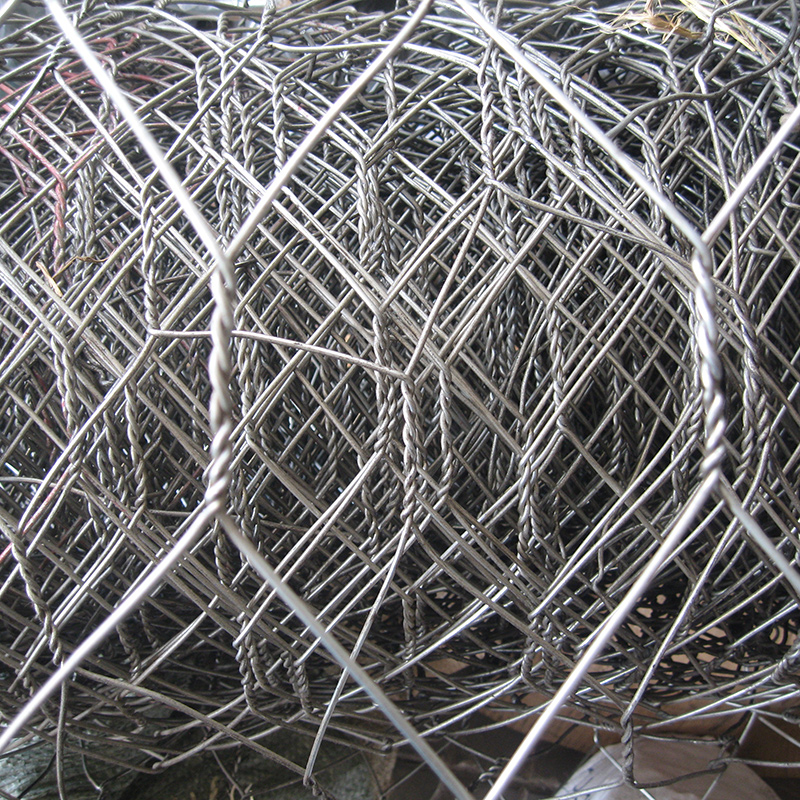
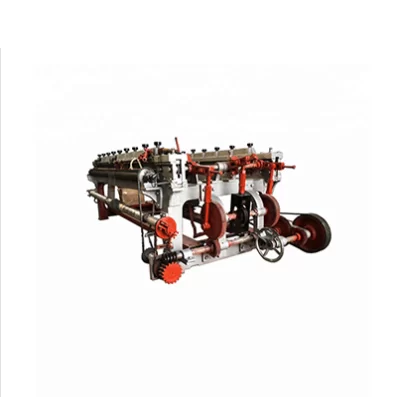
A high-quality gabion wire mesh machine operates through a sophisticated process of wire feeding, weaving, and cutting. The machine utilizes a series of shuttles and needles to intertwine galvanized or PVC-coated wires into a hexagonal or rectangular pattern. Precision tension control is the most vital aspect of this process; if the tension is too loose, the baskets will sag, but if it is too tight, the wire may snap. Modern automated systems now incorporate PLC controls to maintain consistent tension across thousands of meters of mesh, ensuring a uniform weave that meets international engineering standards.
Pro Tip: Choosing a machine with an automatic wire-breakage detection system can save hours of downtime by alerting operators the moment a strand snaps, preventing the production of defective mesh rolls.
Not all production needs are the same. Depending on your market volume, you may require a manual, semi-automatic, or fully automatic gabion wire mesh machine. Semi-automatic models are excellent for small-to-medium enterprises (SMEs) that need flexibility in mesh sizing. In contrast, fully automatic lines are designed for industrial-scale output, featuring integrated winding and cutting units. To help you decide, we have compared the primary options below to highlight the trade-offs between investment cost and production speed.
When sourcing a gabion wire mesh machine, you must look beyond the price tag and analyze the technical specifications. The ability to handle different wire diameters (from 2.0mm to 4.0mm) and the precision of the mesh opening (typically 8x10cm or 6x8cm) define the versatility of your production. High-grade machinery uses hardened alloy steel for its weaving parts to prevent wear and tear, which ensures that the mesh remains consistent even after months of continuous operation.

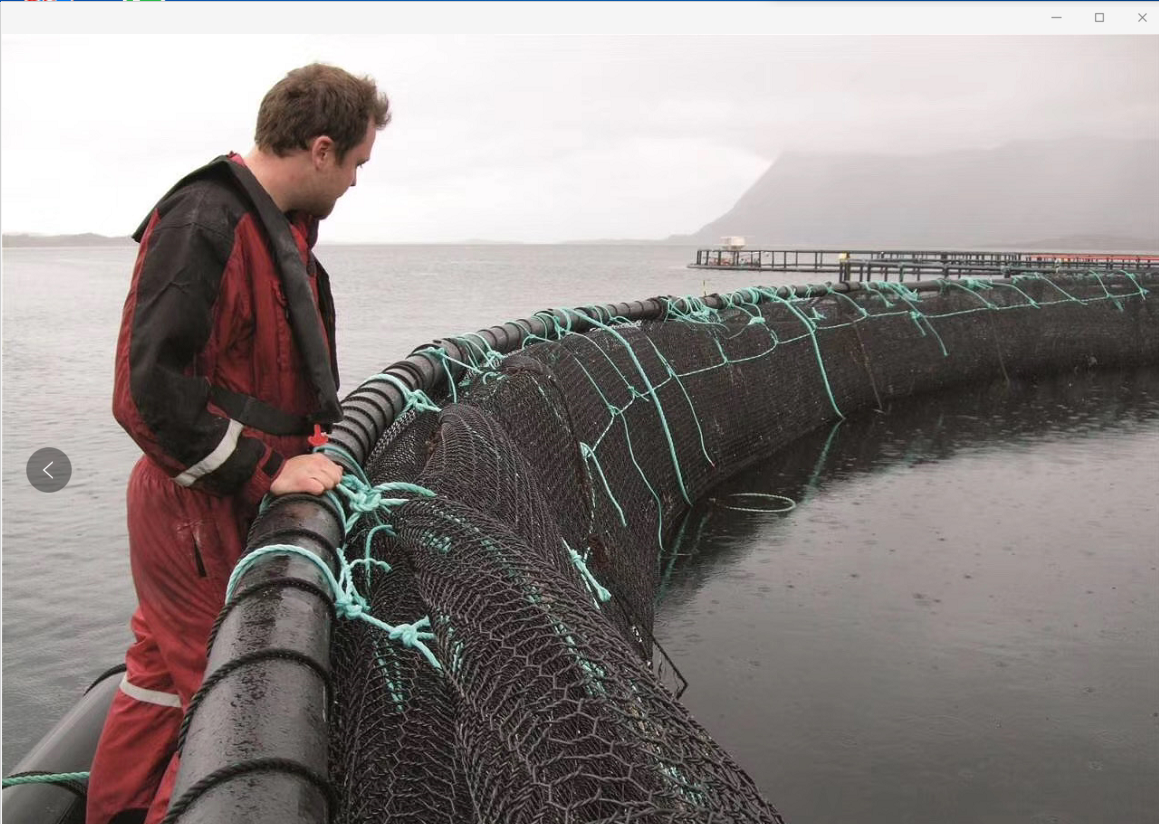
The output from a professional gabion wire mesh machine serves multiple critical industries. In hydraulic engineering, gabions are used to prevent riverbank erosion by absorbing the energy of flowing water. In transportation, they provide stable retaining walls for highways in mountainous terrain. Even in modern architecture, gabion walls are used for aesthetic fencing and sustainable building facades. The ability to produce mesh with varied coatings (such as Galfan or PVC) allows manufacturers to cater to both saltwater and freshwater environments.
Transitioning from manual weaving to a dedicated gabion wire mesh machine provides an immediate leap in profitability. Manual production is plagued by human error, inconsistent mesh sizes, and extremely slow output. Automation not only accelerates the process but also ensures that every basket produced is identical, which is a strict requirement for government-funded infrastructure tenders. The reduction in waste alone often pays for the machine within the first year of operation.
To get the most out of your gabion wire mesh machine, a strict maintenance schedule is non-negotiable. Because the machine deals with high-tension steel wire, friction is a constant enemy. Daily lubrication of the weaving needles and monthly inspection of the drive belts can prevent catastrophic failures. Additionally, ensuring that the input wire is free of rust or contaminants prevents premature wear on the guides. Investing in genuine spare parts and conducting quarterly calibrations ensures that your mesh remains within the specified tolerances for your clients.
Investing in a professional gabion wire mesh machine is more than just an equipment upgrade; it is a strategic move toward industrial scalability. By ensuring precision, reducing labor overhead, and increasing output, manufacturers can confidently compete for larger infrastructure projects. Whether your focus is on environmental protection or urban construction, the right machinery provides the reliability and quality needed to build structures that last for decades. Choose technology that grows with your business and delivers uncompromising quality.
Most professional machines are designed to handle a variety of steel wires. The most common are hot-dipped galvanized steel for general corrosion resistance and PVC-coated wires for harsh environments like coastlines or acidic soils. Some high-end machines can also process stainless steel wire for specialized architectural applications. It is important to ensure the machine's tensioning system is adjusted according to the elasticity and coating thickness of the wire being used to avoid slipping or snapping.
Yes, most modern gabion wire mesh machines allow for size adjustments. Depending on the model, this is achieved either by changing the weaving needles and shuttles or by adjusting the PLC settings for electronic control. While some machines are fixed-size for maximum speed, versatile models allow you to switch between common sizes like 8x10cm and 6x8cm to meet different project specifications without needing to purchase multiple machines.
Maintenance is relatively straightforward but must be consistent. Daily tasks include cleaning wire debris and lubricating moving parts. Weekly checks should focus on the alignment of the wire guides and the tension of the drive belts. Every six months, it is recommended to perform a comprehensive audit of the weaving components to identify wear and tear. By following a preventive maintenance plan, you can extend the life of the machine by several years and avoid costly unplanned shutdowns during peak production seasons.
Automation eliminates the inconsistency inherent in manual labor. A machine ensures that every "twist" in the hexagonal mesh is identical in strength and angle. This uniformity is crucial because a single weak point in a gabion basket can lead to the entire structure failing under the pressure of heavy rocks or water currents. Furthermore, automated cutting ensures that the mesh rolls are exactly the right length, allowing for perfect basket assembly and reducing the amount of wasted wire, which directly improves the bottom line.