Hit enter to search or ESC to close
4 November 2025
If you've been in the aquaculture or marine engineering sector for a while, you know the game is constantly evolving. I mean, it wasn't so long ago that we were pretty much stuck with nylon or traditional steel for everything. But fast forward to today, and there's a buzz about Polyethylene Terephthalate, or PET, and specifically, the fish netting machine designed to handle this remarkable material. It’s genuinely changing how we think about deep-sea cages and even land-based barriers.
Let's be honest, traditional fishing nets, while effective, come with their fair share of headaches. Bio-fouling, corrosion, relatively short service lives – these are significant challenges. This is where PET, especially in hexagonal mesh form, steps in as a game-changer. It’s not just a new material; it’s a strategic shift towards sustainability and long-term cost savings. Many customers say that the reduced maintenance alone makes the investment worthwhile.
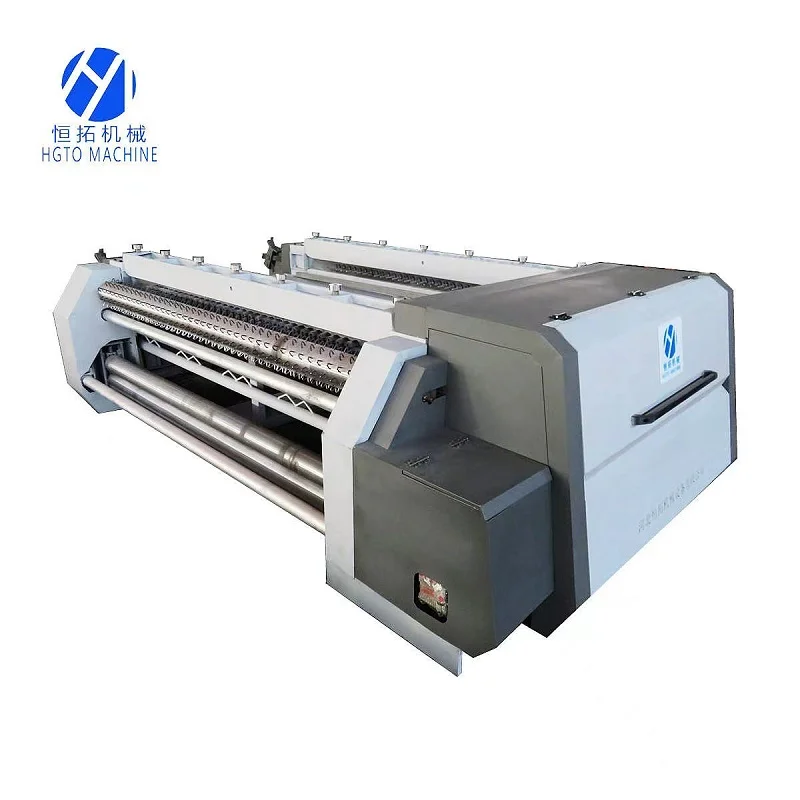
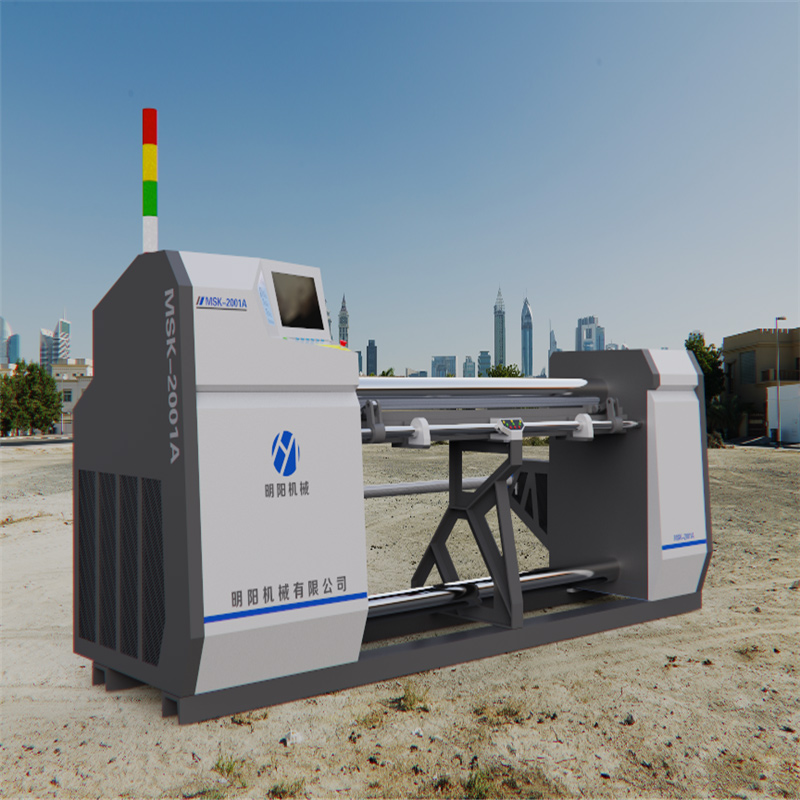
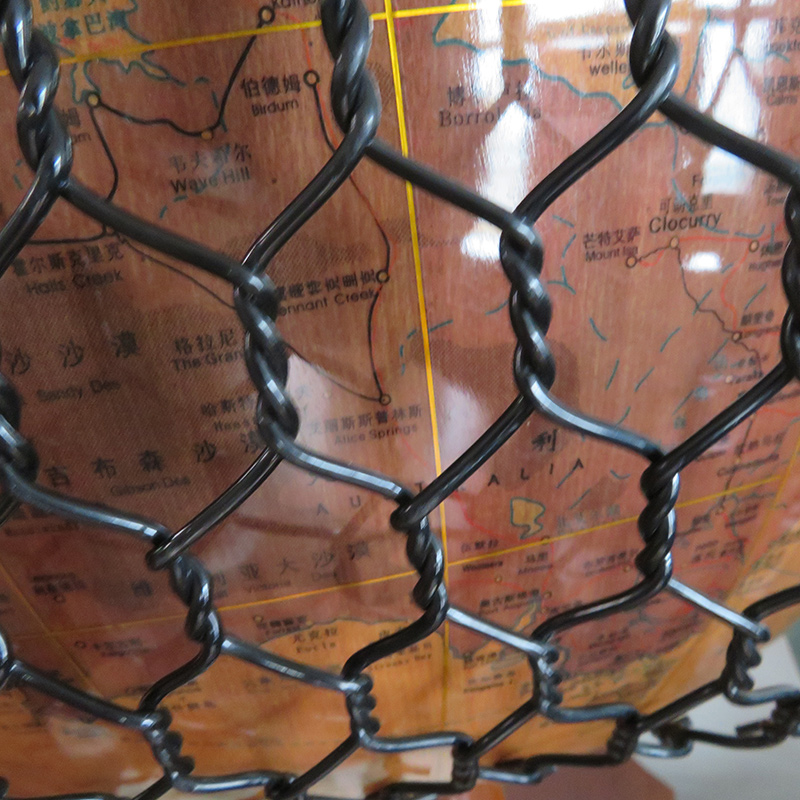
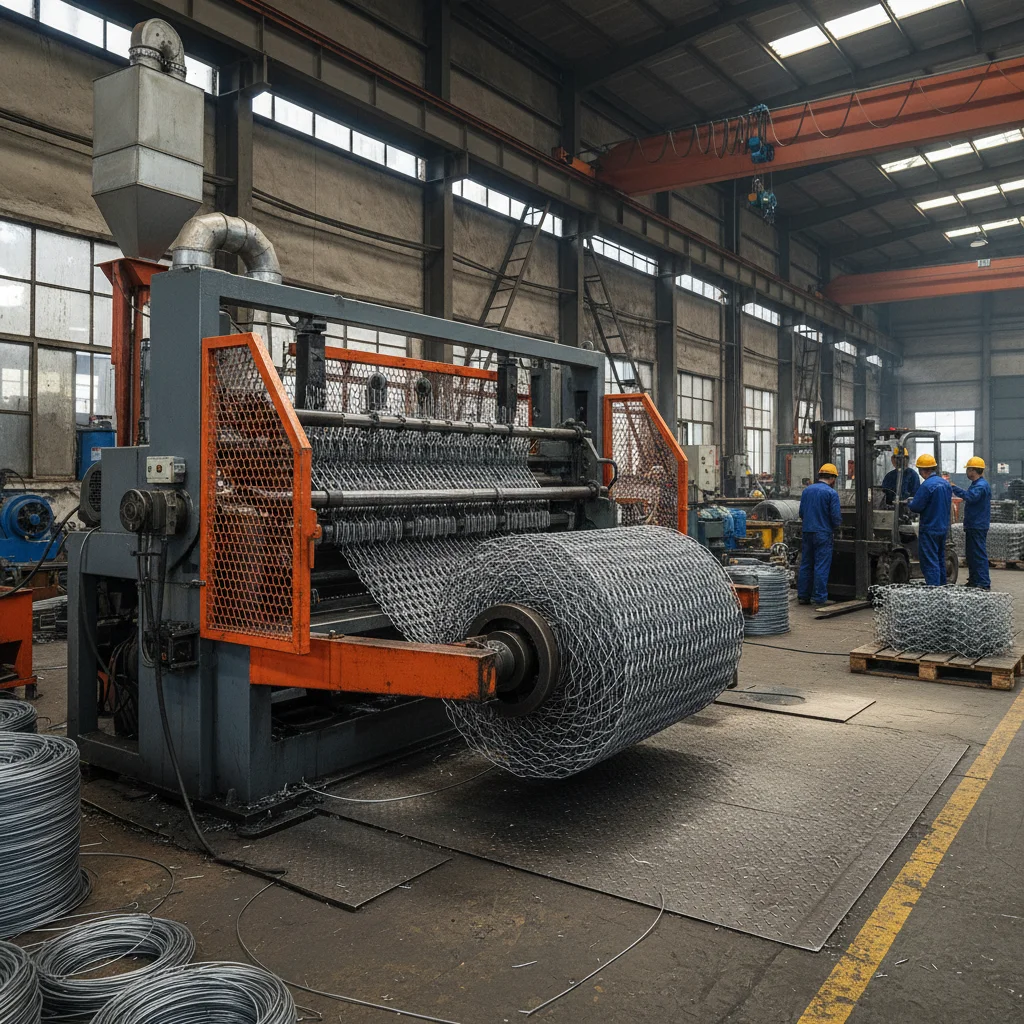
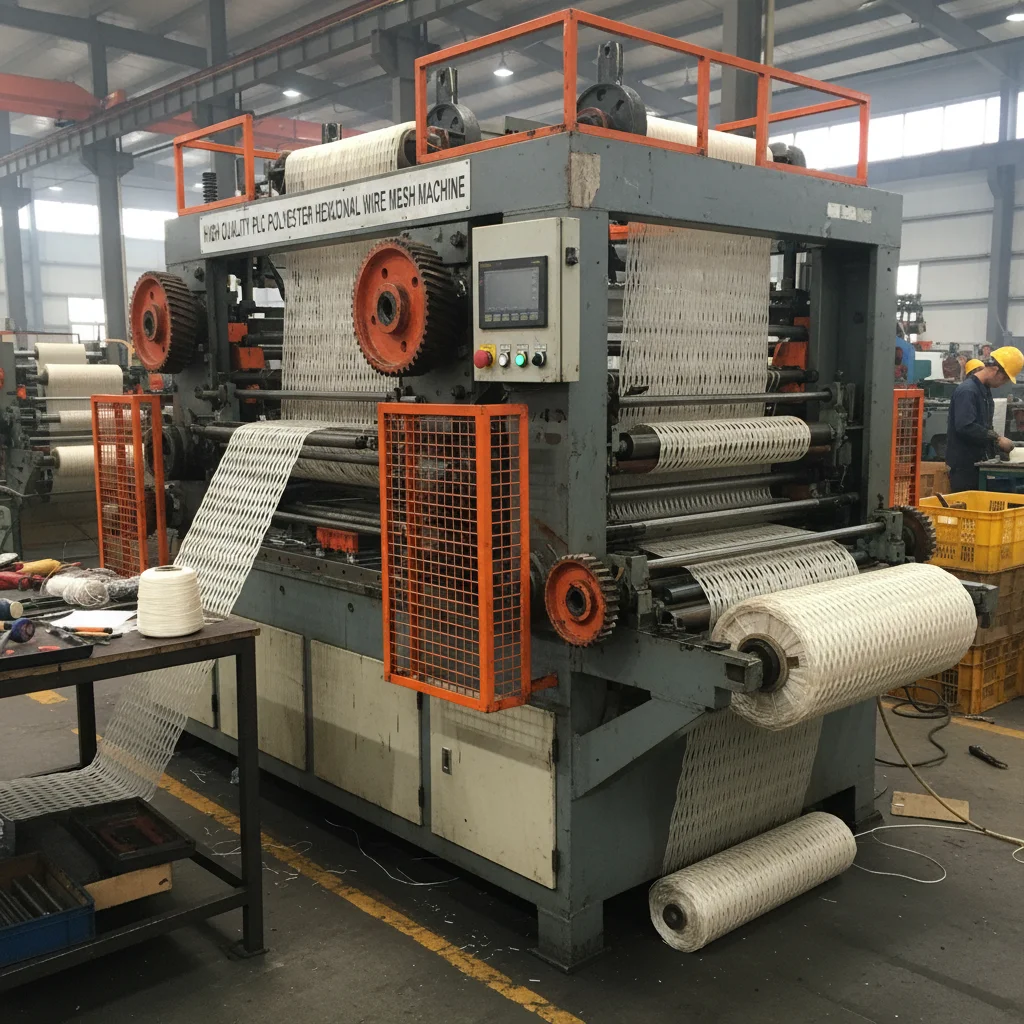
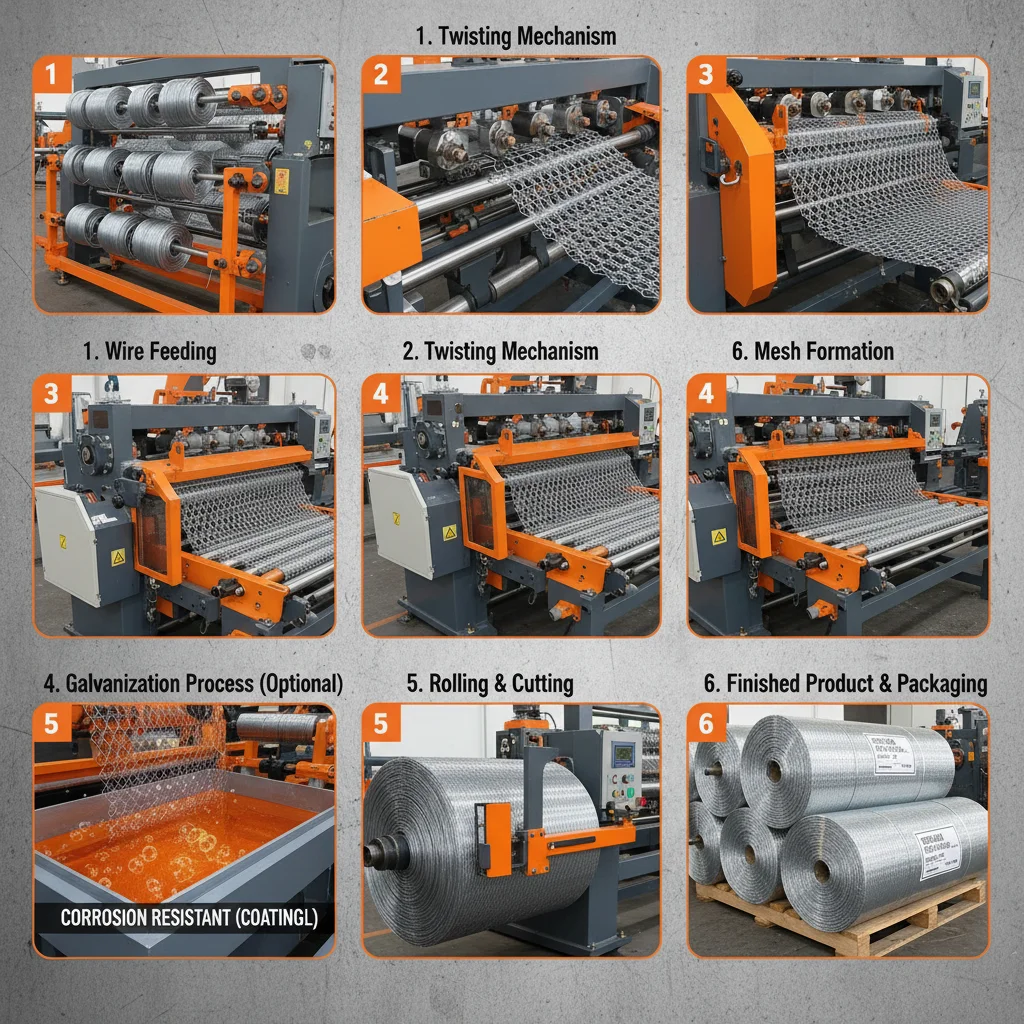
Operating a modernfish netting machine for PET isn't rocket science, but it does involve precision engineering. The process typically starts with high-grade PET pellets, which are extruded into strong, uniform fibers. These fibers are then fed into the weaving mechanism of the machine. The beauty of these specialized machines lies in their ability to produce a robust, knotless, hexagonal mesh, which, quite frankly, is superior to traditional knotted nets in terms of strength and flow dynamics. Imagine the sheer engineering required to maintain consistent tension and weave density!
Testing standards for such nets are rigorous, often conforming to ASTM or ISO benchmarks for tensile strength, UV resistance, and corrosion. The service life? Well, for deep-sea aquaculture, we're talking years, significantly outperforming nylon. In fact, some tests show PET nets lasting upwards of a decade in demanding marine environments.
While the primary focus is often deep-sea aquaculture, where its resistance to bio-fouling and superior wind resistance are invaluable, the utility of PET mesh extends much further. Think about it: a material that combines the anti-fouling benefits of copper mesh with the lightness of traditional fiber nets is a game-changer for fish farming nets.
· Deep-Sea Aquaculture: This is where it shines. PET hexagonal mesh forms the backbone of new-generation deep-water cages, offering incredible durability and ease of cleaning.
· Land Applications: Surprisingly, large size polyester hexagonal mesh is also used for gabion nets, slope protection, and dam reinforcement. It’s corrosion-free like vinyl fencing but much more cost-effective, akin to chain link.
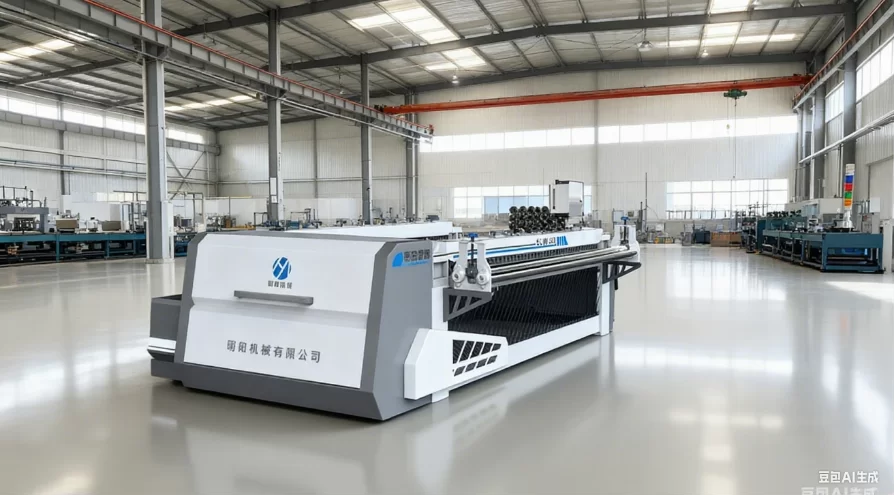
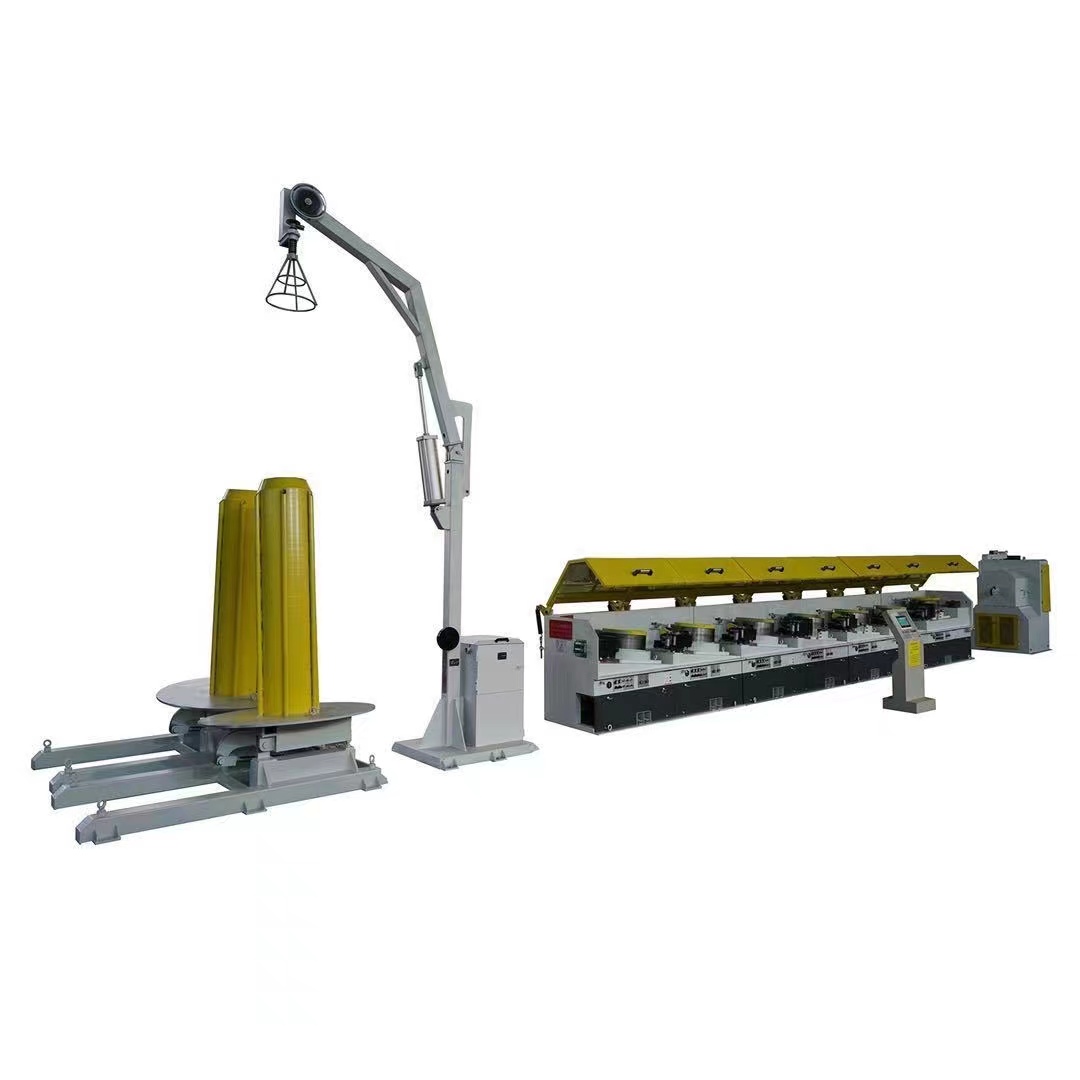
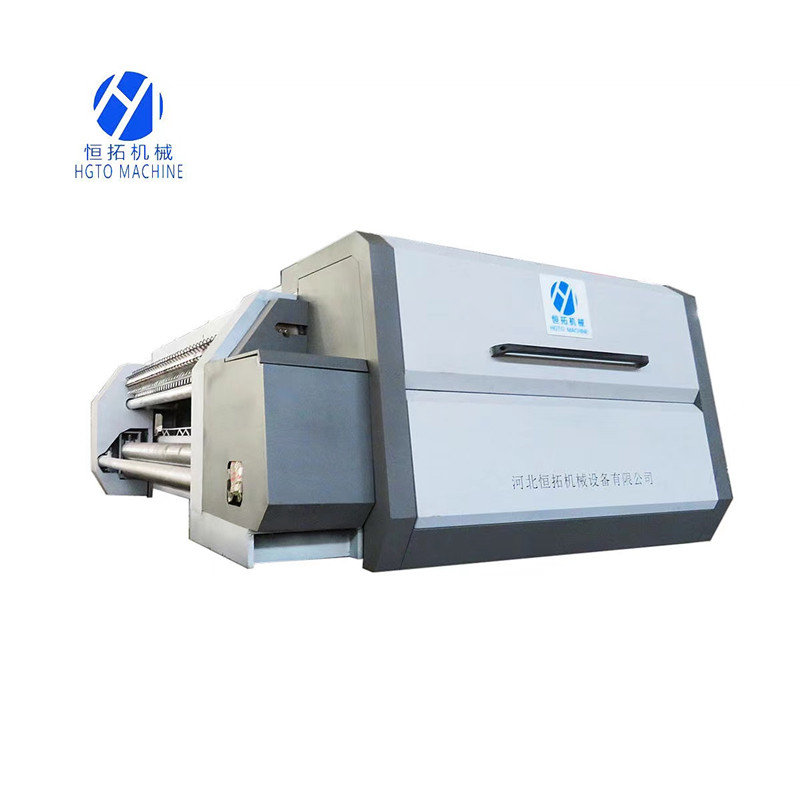
The latest generation offishing net manufacturing machine systems offer incredible precision and automation. They typically feature advanced PLC control systems, allowing for precise adjustment of mesh size and tension. Here's a look at some common specifications:
Product Specification: PET Hexagonal Net Weaving Machine | |
Feature | Detail |
Material Compatibility | PET (Polyethylene Terephthalate) Fibers |
Mesh Type | Hexagonal (Knotless structure) |
Max. Net Width | ≈ 4000mm (real-world use may vary) |
Wire Diameter Range | 0.8mm - 3.0mm |
Mesh Hole Size | 10mm - 80mm (adjustable) |
Production Speed | Around 80-120 RPM (depending on mesh size) |
Control System | PLC Automated Control |
When it comes to purchasing a fish net making machine, especially one for specialized materials like PET, vendor reputation and after-sales support are paramount. It's not just about the upfront cost, is it? You're investing in a long-term solution.
Vendor Comparison: PET Netting Machine Suppliers | ||
Feature | Leading PET Machine Vendor (e.g., HT Mesh Machines) | Generic/Traditional Machine Vendor |
Material Specialization | High focus on PET, Nylon, HDPE; advanced material handling | Primarily Nylon/HDPE; limited PET optimization |
Technology & Automation | State-of-the-art PLC, high precision, remote diagnostics | Basic controls, manual adjustments, less automation |
Customization Options | Extensive: variable width, mesh size, tension control, special applications | Limited customization; standard models |
After-Sales Support | Comprehensive: installation, training, spare parts, technical support | Basic support; potential delays in parts/service |
Certifications | ISO 9001, CE compliant, industry specific standards | May lack full international certification suite |
Good vendors offer significant customization. Need a specific mesh size for a unique aquaculture project? Or perhaps a wider machine for gabion net production? Many manufacturers, like HT Mesh Machines, work directly with clients to tailor solutions. A well-known case study involves a large Norwegian salmon farm that saw a 40% reduction in net cleaning costs after switching to PET nets produced by a custom-built machine, dramatically improving their operational efficiency. This kind of customer feedback speaks volumes, I think.
The shift to materials like PET, enabled by advanced knotless fishing net machine technology, represents a significant leap forward. It’s not just about making a net; it’s about crafting a solution that lasts longer, performs better, and demands less from our precious marine ecosystems. For anyone serious about the future of aquaculture or robust environmental protection, understanding and investing in this technology is, quite frankly, a no-brainer.
1. Food and Agriculture Organization of the United Nations (FAO) - Aquaculture Statistics.
2. ASTM International Standards.
3. International Organization for Standardization (ISO) Certifications.