Understanding Gabion Box Price: What It Means and Why It Matters Globally
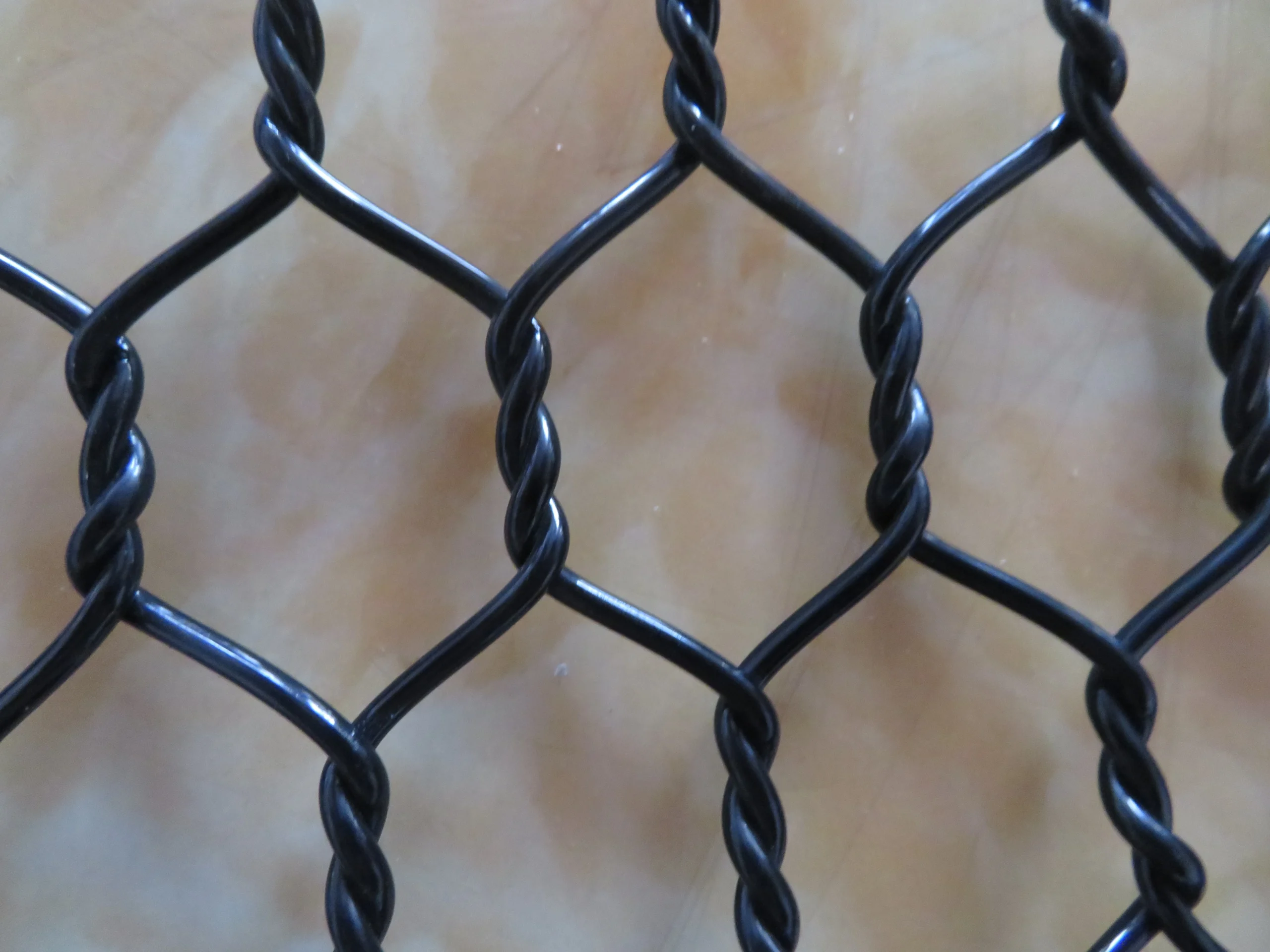
Gabion boxes might sound a bit niche, but they play an unexpectedly big role in construction, erosion control, and even humanitarian relief worldwide. For anyone working in civil engineering or infrastructure, the gabion box price is more than just a line item; it’s a critical factor influencing project scope, durability, and sustainability. If you’re new to this, think of gabion boxes as wire mesh cages filled with stone or other materials, often used to stabilize slopes, reinforce riverbanks, or build retaining walls. Knowing their cost intricacies can save time and money — especially on large-scale or disaster relief projects.
Introduction: The Global Relevance of Gabion Box Price
Globally, gabion solutions are seeing increased demand. The UN Environment Programme highlights the rising importance of erosion control amid climate change–induced weather events, underscoring gabions’ eco-friendly profile. However, gauging gabion box price is tricky because costs sway widely based on materials, labor, and location. According to reports from the World Bank on infrastructure spending, minimizing such uncertainties can reduce project overruns—a huge win where budgets are tight.
Environmental degradation and rising urban populations have posed serious challenges to stable infrastructures. Gabions have thus become a go-to, cost-effective answer that balances ecological impact with practical needs, which is why understanding gabion box price is vital to planners and stakeholders alike.
What Does “Gabion Box Price” Actually Mean?
Simply put, the gabion box price refers to the total cost of acquiring and installing these wire mesh containers filled with stones or recycled materials. It encompasses:
- The mesh quality (galvanized steel, PVC-coated, etc.)
- The type and volume of infill material
- Labor and site preparation costs
- Transport and logistics
This pricing bit connects deeply to modern infrastructure, especially since gabions serve both practical and humanitarian goals—from stabilizing road embankments in remote areas to quick-deployment shelters in post-disaster zones.
Key Factors Influencing Gabion Box Price
1. Durability
Wire mesh quality greatly affects durability—and hence price. Galvanized steel offers corrosion resistance but comes at a higher cost; PVC coatings add longevity but raise expenses further. In coastal or humid regions, spending more upfront can save far greater replacement costs.
2. Scalability and Size
Gabion boxes come in many sizes, from small modular units to large wall-length cages. Larger or custom dimensions naturally drive costs up, but they also offer faster installation and less on-site assembly.
3. Cost Efficiency
Cost variability is influenced by raw materials availability, delivery logistics, and regional labor rates. Sometimes, sourcing locally quarried stone reduces expenses but may impact quality.
4. Environmental Impact
Eco-conscious projects might opt for recycled stone fillers or biodegradable mesh coatings—these can raise upfront costs but align with sustainability goals.
Interesting to note how green initiatives shape pricing strategies.
5. Installation Complexity
The degree of site preparation, terrain challenges, and access constraints can significantly sway labor costs—and thus the gabion box price as a whole.
Typical Gabion Box Specifications & Pricing Overview
| Specification |
Details |
Average Price (USD) |
| Mesh Material |
Galvanized Steel (4mm thickness) |
$20 - $35 per m² |
| Typical Dimensions |
2m x 1m x 1m (Length x Width x Height) |
Base unit cost $75 - $110 |
| Infill Material |
Hard Limestone or Granite |
$10 - $25 per m³ |
| Installation Cost |
Varies by location and terrain |
$30 - $70 per unit |
Global Applications & Use Cases of Gabion Boxes
Gabion boxes are ubiquitous, especially where infrastructure intersects with environmental challenges:
- Flood Control: Countries like Bangladesh and the Netherlands employ gabions extensively to protect against rising waters and riverbank erosion.
- Road & Railway Construction: Remote regions such as parts of Canada and Australia use gabions to stabilize embankments under heavy transportation loads.
- Post-Disaster Relief: NGOs and governments deploy gabion structure-based solutions to rebuild quickly after earthquakes and hurricanes — for example in Haiti and Indonesia.
- Green Architecture & Landscaping: Urban spaces worldwide increasingly integrate gabions as decorative yet functional retaining walls or noise barriers.
It’s also worth mentioning that organizations focused on sustainable development regard gabion price and quality as vital parameters to ensure projects stay both viable and environmentally responsible.
The Advantages & Long-Term Value of Understanding Gabion Box Price
Frankly, getting a grip on the gabion box price unlocks several tangible benefits:
- Cost-effective installation: Investing in quality materials upfront often reduces maintenance costs down the line.
- Environmental sustainability: Gabions promote soil retention without concrete’s carbon footprint.
- Enhanced safety and stability: Durable structures protect communities and infrastructure alike.
- Social impact: Quick and reliable gabion construction helps restore dignity and security post-disaster.
- Innovation potential: Customizable and recyclable, gabions can be adapted for new architectural uses.
Emerging Trends & Innovations in Gabion Technology
Looking ahead, a few exciting developments are reshaping how the industry views gabion box price and performance:
- Advanced coatings: New polymers extend mesh life further, especially in aggressive climates.
- Automated assembly: Robotics and digital modeling reduce human error and speed construction.
- Use of recycled materials: Incorporating industrial byproducts in infill supports greener supply chains.
- Smart monitoring: Sensors embedded in gabion walls detect movement or wear in real-time.
Challenges & Innovative Solutions
However, it’s not all smooth sailing. Common issues include:
- Corrosion risk in aggressive environments despite coatings, leading to premature failure.
- Variability in stone quality that may affect overall structural integrity.
- Labor shortages and remote sites, which increase installation costs.
Experts suggest sustainable sourcing, improved quality control, and modular design can ease these pains — and frankly, manufacturers investing in R&D are already improving cost predictability and durability.
Vendor Comparison for Gabion Box Pricing (per unit)
| Vendor |
Mesh Quality |
Price Range (USD) |
Warranty (years) |
Delivery Options |
| MeshPro Solutions |
PVC-coated galvanized steel |
$90 - $120 |
15 |
Worldwide freight |
| EcoWrap Industries |
Galvanized steel (standard) |
$75 - $100 |
10 |
Regional shipping |
| GreenLine Gabions |
Recycled coated mesh |
$100 - $130 |
20 |
Global express |
Frequently Asked Questions About Gabion Box Price
Q1: What factors most influence the variations in gabion box price?
A1: Variations typically depend on mesh material and thickness, infill stone type, box size, site location, and labor complexity. Environmental conditions can also dictate costly coatings or special installation methods.
Q2: Can gabion boxes be reused or recycled to lower overall project costs?
A2: Absolutely. Many sites reclaim stone infill for future use, and some manufacturers offer recyclable mesh options. This can significantly reduce lifecycle costs and environmental footprint.
Q3: How does installation terrain affect gabion box pricing?
A3: Difficult terrain or remote areas raise labor and transport costs, often doubling installation expenses compared to urban or flat sites.
Q4: Are gabion boxes suitable for temporary structures in disaster relief?
A4: Yes, they are robust yet flexible, allowing quick deployment and later reuse or repurposing, making them ideal for emergency stabilization tasks.
Q5: Where can I find reliable information on current gabion box price ranges?
A5: Consulting suppliers’ websites, industry reports, and trusted infrastructure organizations such as ISO or UNEP provide updated, accurate pricing data.
Conclusion & Call to Action
Overall, the gabion box price reflects much more than just material costs; it’s the sum of choices balancing durability, sustainability, and practicality. Understanding these facets helps stakeholders make smarter decisions that stand the test of time and environment. If you’re exploring options related to erosion control or infrastructure stability, dive deeper into specs and suppliers at gabion box price. It’s a good starting point toward smarter, sustainable infrastructure.
Mini takeaway: Knowing the details behind gabion box price isn’t just practical—it’s key to building safer, more sustainable futures worldwide.
References
- UNEP – Soil Erosion and Land Degradation
- World Bank – Infrastructure Spending
- ISO 1461: Hot Dip Galvanized Coatings on Fabricated Iron and Steel Articles