Hit enter to search or ESC to close
5 February 2026
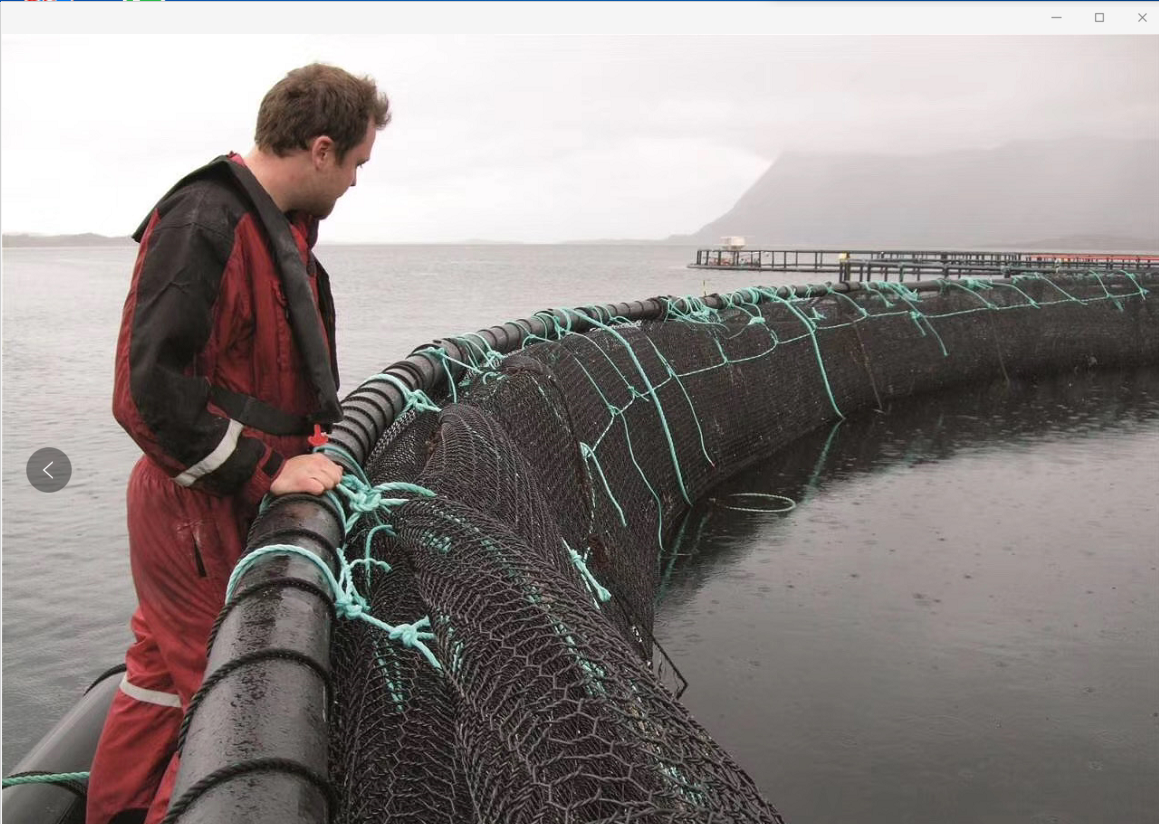
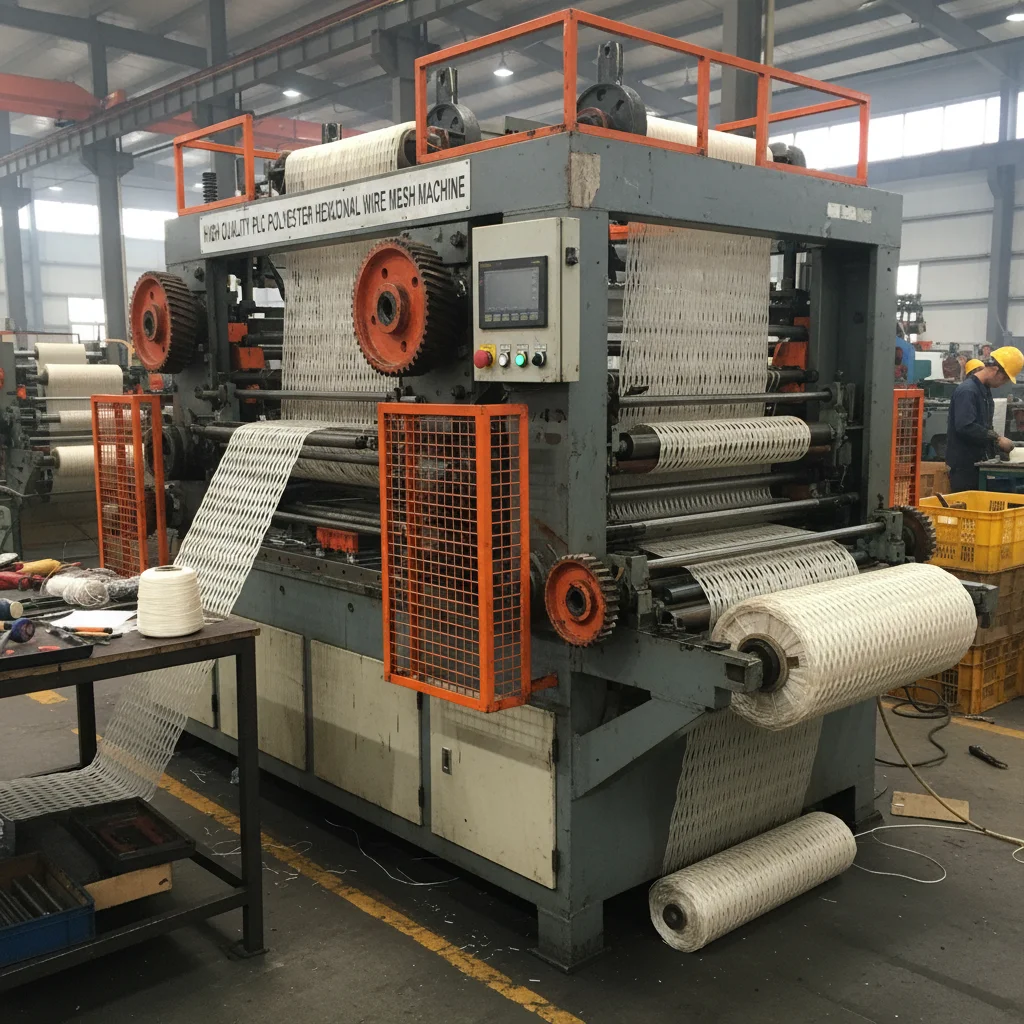
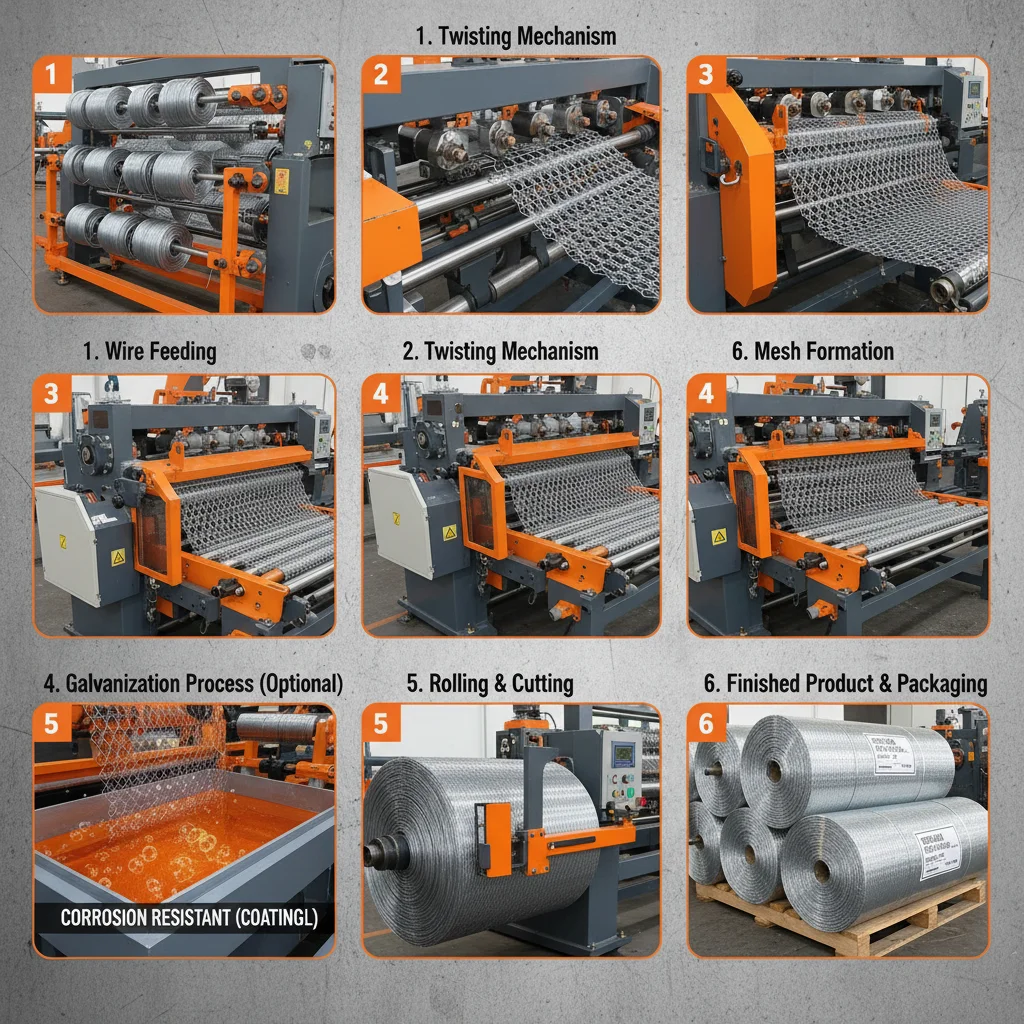
Net pen aquaculture, a widely practiced method of fish farming, involves raising fish in enclosed netting within open bodies of water. This sustainable practice plays a crucial role in meeting the growing global demand for seafood. Understanding the benefits, challenges, and technologies associated with net pen aquaculture is vital for industry professionals and anyone interested in responsible seafood production. HT Mesh Machines provides innovative solutions for the aquaculture industry, including high-quality netting for net pens.
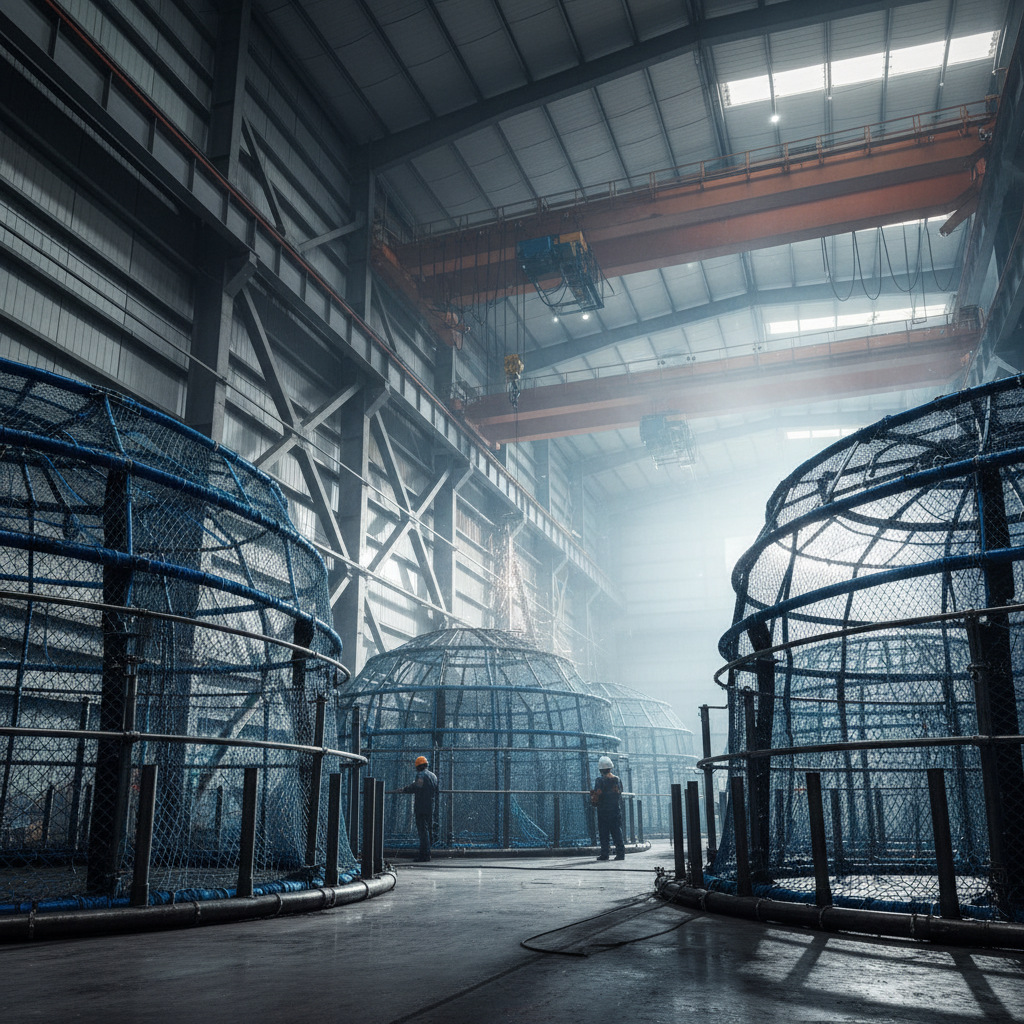
Net pen aquaculture offers numerous advantages over traditional fishing methods. It allows for controlled breeding and feeding, leading to faster growth rates and higher yields. The practice also reduces pressure on wild fish populations, contributing to the conservation of marine ecosystems. Furthermore, net pens can be strategically located to optimize growing conditions and minimize environmental impact. This method requires substantial initial investment but provides a long-term, reliable source of protein.
Key Highlights: Controlled breeding and feeding, reduced pressure on wild fish populations, optimized growing conditions, sustainable protein source.
The design of a net pen is crucial for its success. Key considerations include pen size, net mesh size, depth, and anchoring systems. The netting material must be durable, resistant to biofouling, and non-toxic to the fish. HT Mesh Machines specializes in creating high-tenacity polyethylene (HDPE) netting specifically designed for aquaculture applications. This material is renowned for its strength, UV resistance, and long lifespan. The right netting ensures the health and safety of the fish while minimizing maintenance costs.
Key Netting Characteristics:
• High Tensile Strength: Withstands strong currents and fish activity.
• UV Resistance: Prevents degradation from sunlight exposure.
• Biofouling Resistance: Reduces algae and organism buildup.
• Non-Toxic: Ensures the health and safety of the fish.
Selecting the right netting material is critical for the longevity and success of a net pen aquaculture operation. While several options exist, HDPE remains the industry standard. Here’s a comparison of common materials:
Despite its benefits, net pen aquaculture faces challenges such as disease outbreaks, predation, and environmental concerns like nutrient pollution. Careful site selection, robust biosecurity measures, and responsible feeding practices are essential for mitigating these risks. Regular monitoring of water quality and fish health is also crucial. Utilizing advanced netting solutions, like those offered by HT Mesh Machines, can improve water flow and reduce the risk of disease.
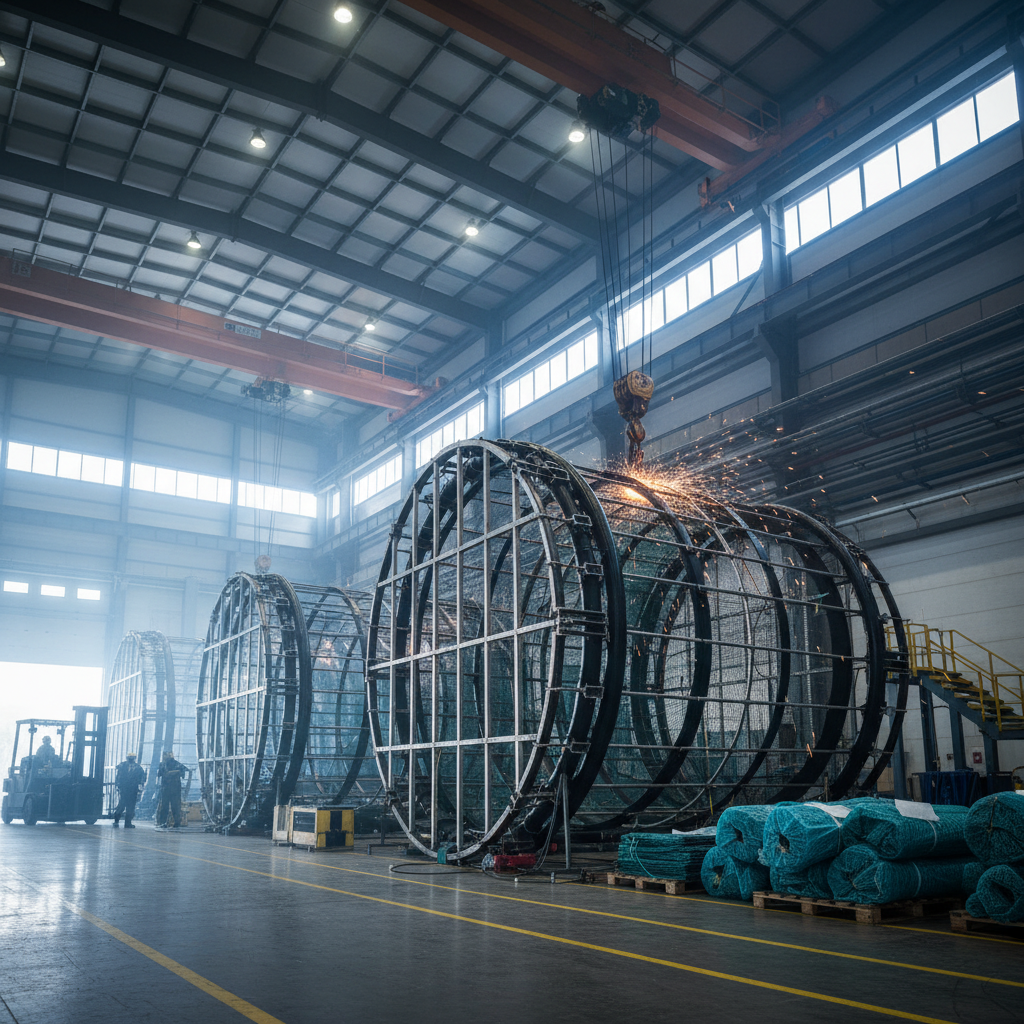
The future of net pen aquaculture is focused on innovation and sustainability. Emerging technologies include the use of real-time monitoring systems, automated feeding systems, and advanced disease detection methods. Researchers are also exploring the use of integrated multi-trophic aquaculture (IMTA) systems, which combine the cultivation of fish with other species like seaweed to reduce environmental impact. The development of more durable and eco-friendly netting materials, like those being pioneered by HT Mesh Machines, will continue to be a key area of focus.
Net pen aquaculture is a vital component of the global food system. By embracing innovation, prioritizing sustainability, and utilizing high-quality materials like those from HT Mesh Machines, the industry can continue to thrive and contribute to a secure and sustainable seafood supply.
The primary environmental concerns include nutrient pollution from fish waste, the potential for disease transfer to wild fish populations, and the impact on benthic habitats. Responsible aquaculture practices, such as careful site selection, proper waste management, and biosecurity measures, can significantly mitigate these risks. Utilizing netting that optimizes water flow, like those from HT Mesh Machines, helps disperse waste more effectively and minimizes its impact on the surrounding environment.
Regular cleaning and maintenance are essential for maintaining optimal conditions and preventing disease outbreaks. Net pens should be inspected regularly for damage, biofouling, and wear. Cleaning frequency depends on factors like water quality and fish density, but generally, nets should be cleaned at least every 6-12 months. Replacing worn or damaged netting is crucial for ensuring the structural integrity of the pen and the safety of the fish.
Salmon, trout, seabass, and bream are among the most commonly raised fish species in net pen aquaculture. These species are popular choices due to their high market value, fast growth rates, and adaptability to net pen environments. The specific species raised will also depend on regional climate and market demand.
HT Mesh Machines specializes in manufacturing high-quality netting solutions specifically designed for aquaculture applications. We offer a range of netting materials and sizes to meet your specific needs. Contact us today for a quote and expert advice.