Gabion Wire Mesh Factory: The Backbone of Modern Construction and Environmental Solutions
Gabion wire mesh factories might not be household names, but their impact reaches far beyond local construction sites—they're quietly shaping landscapes globally. This article unpacks what a gabion wire mesh factory is, how essential it is for infrastructure and humanitarian projects, and why understanding this niche is increasingly critical in an era of climate change and urban expansion.
Introduction: Why Gabion Wire Mesh Factories Matter on a Global Scale
Across the globe, infrastructure development and environmental protection are pressing challenges. According to the United Nations, nearly 55% of the world's population lives in urban areas—a figure expected to rise to 68% by 2050 (UN World Urbanization Prospects). This rapid urbanization demands innovative, durable, and cost-effective building materials. Enter the gabion wire mesh factory, which, by supplying durable mesh products, supports erosion control, retaining walls, flood mitigation, and even post-disaster rebuilding efforts.
Yet, challenges remain: extreme weather conditions, increasing infrastructure demands, and budget constraints make selecting the right materials crucial. Gabion wire mesh addresses many of these concerns head-on, which is why an efficient factory producing these materials is vital.
What Exactly Is a Gabion Wire Mesh Factory?
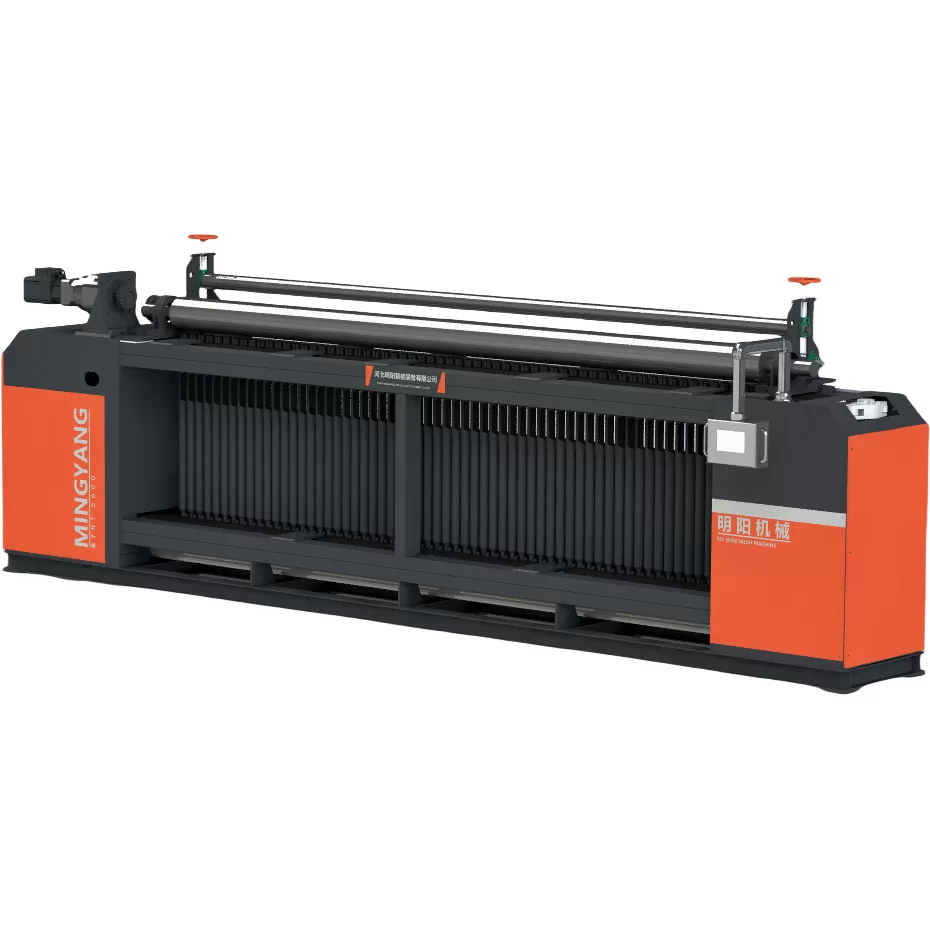
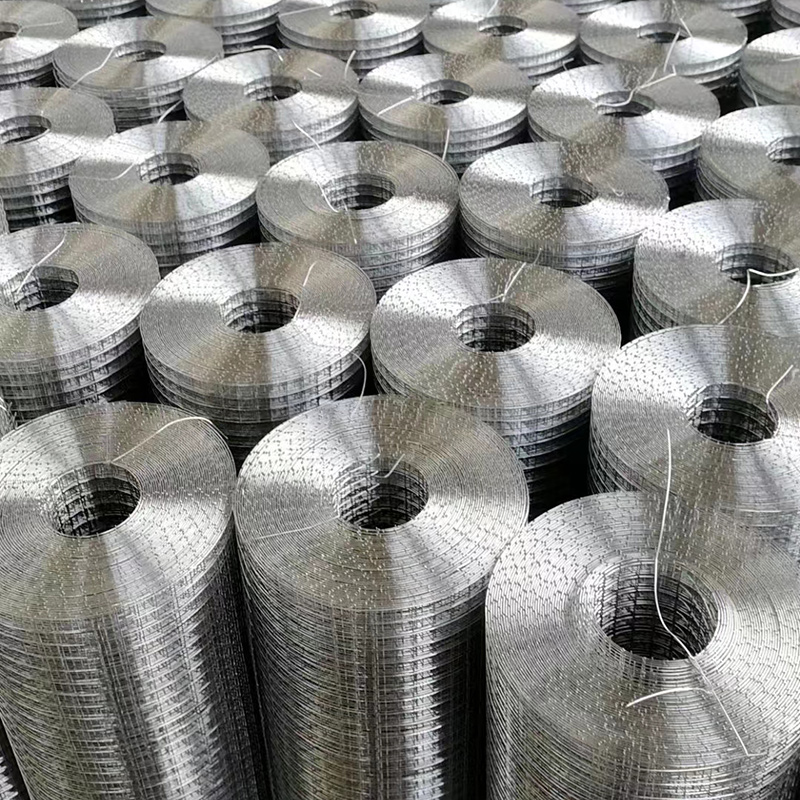
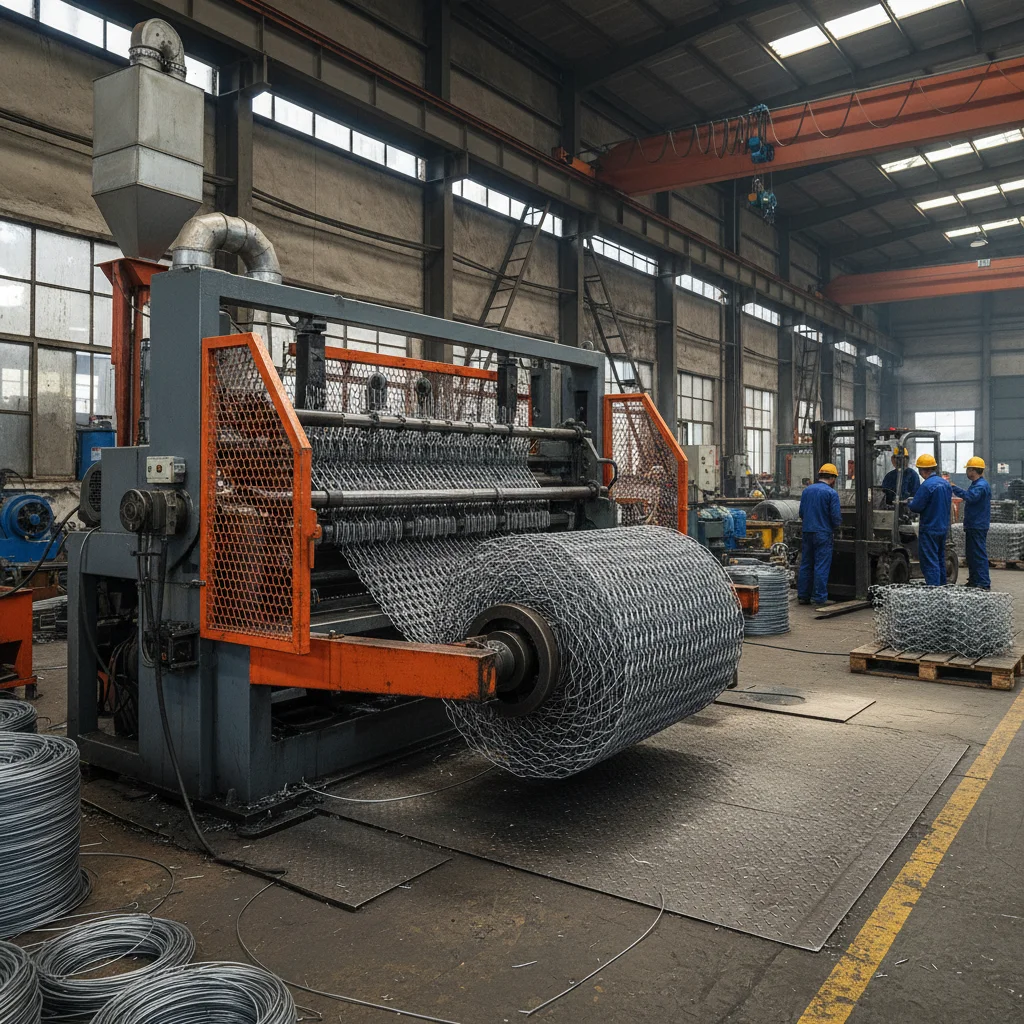
Simply put, a gabion wire mesh factory manufactures the woven or welded wire mesh used to create gabion cages—cages filled with rocks or other aggregates to form walls or barriers. These gabions stabilize slopes, support bridges, and are instrumental in river control. Their modular, flexible design means they're adaptable and quick to install.
Industrial and humanitarian sectors alike rely on gabion wire mesh factories to deliver quality products that meet international standards for durability and environmental safety. The connection is clear: without these specialized factories, many large-scale environmental projects would be much more difficult to execute efficiently.
Key Components of Gabion Wire Mesh That Matter
1. Durability
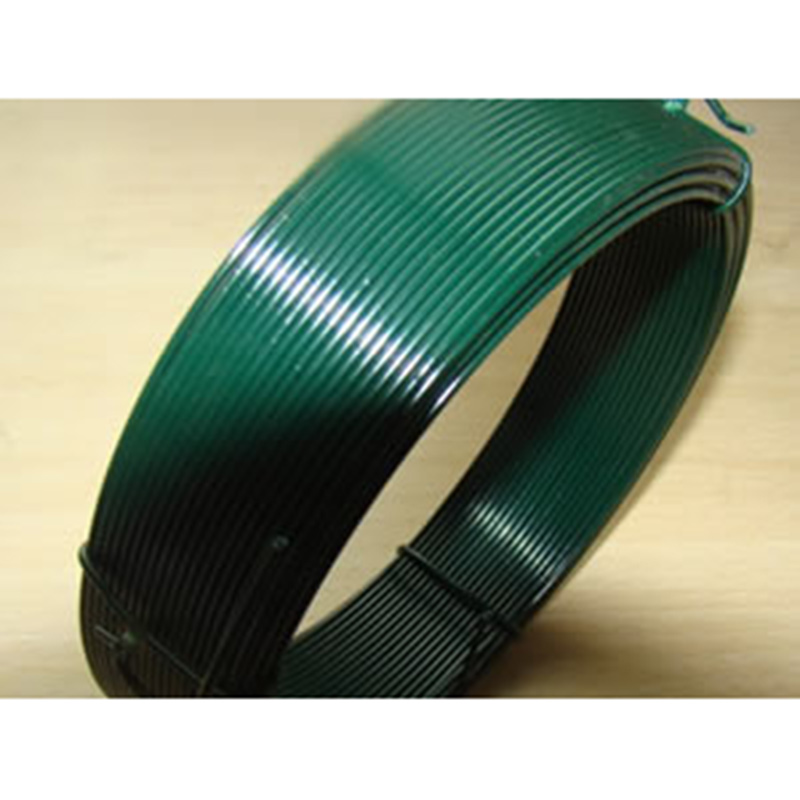
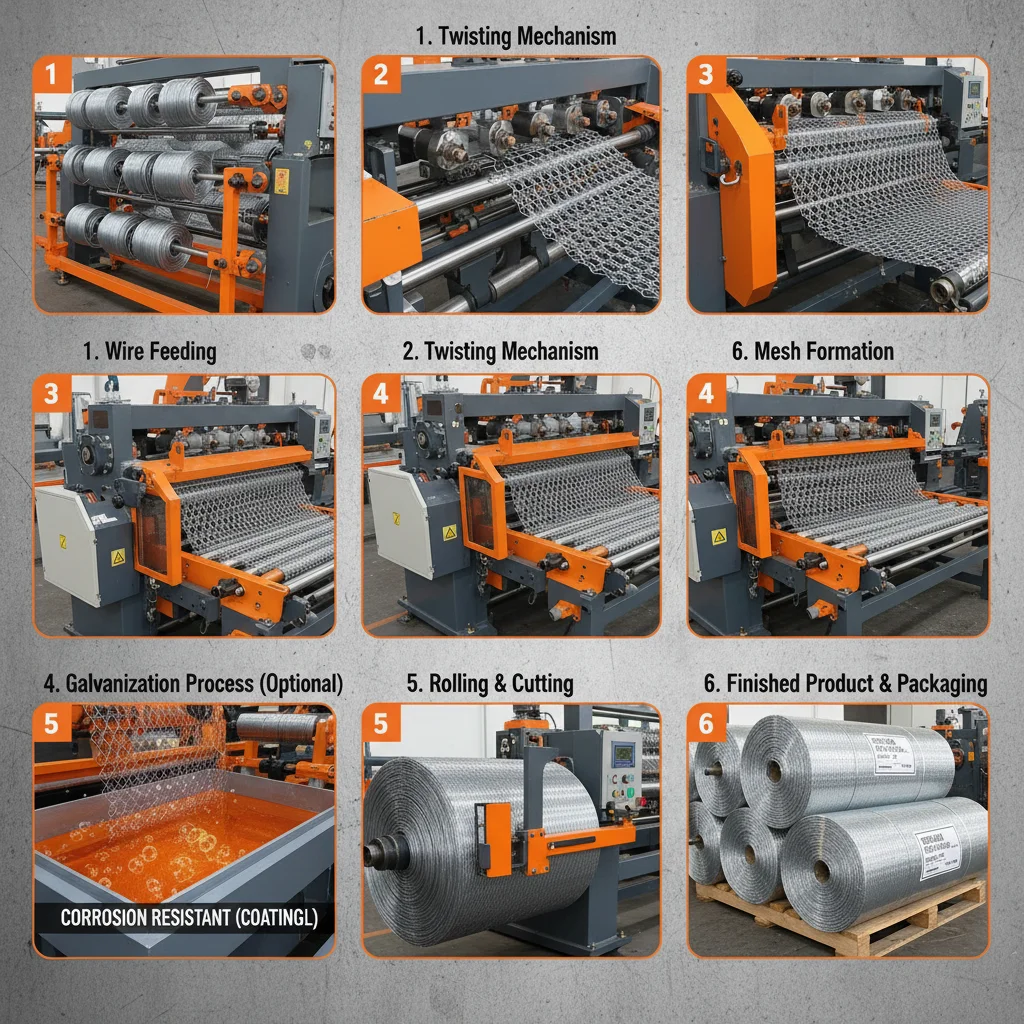
Gabion wire mesh must withstand corrosion and mechanical stress for decades. Factories typically produce galvanized or PVC-coated mesh to extend lifespan, crucial for projects exposed to water or weather extremes.
2. Mesh Size and Strength
The mesh dimension affects what kind of rock fill can be used and the structure’s overall strength. Factories offer a range of sizes customized to project needs—from fine meshes for erosion control mats to larger ones for mass retaining walls.
3. Production Scalability
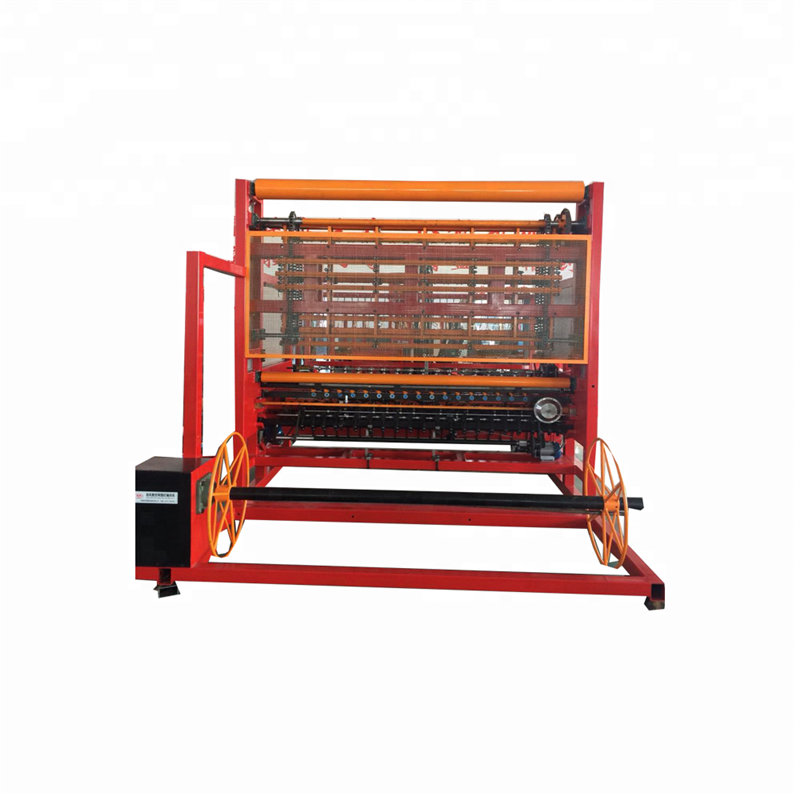
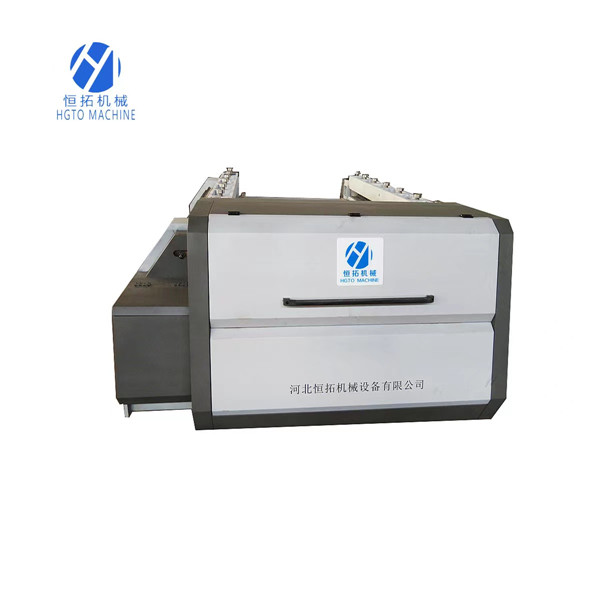
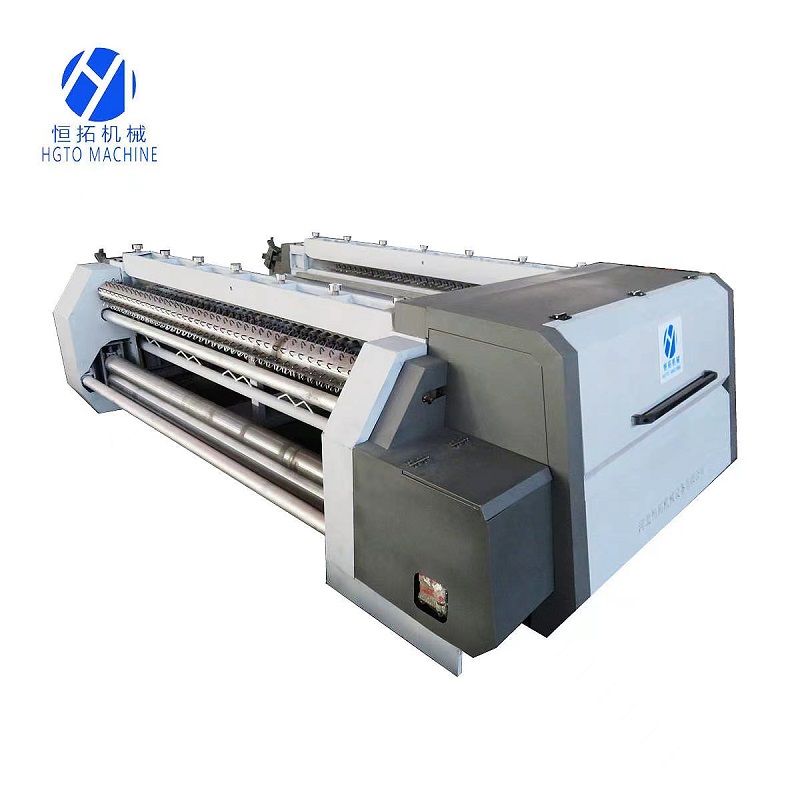
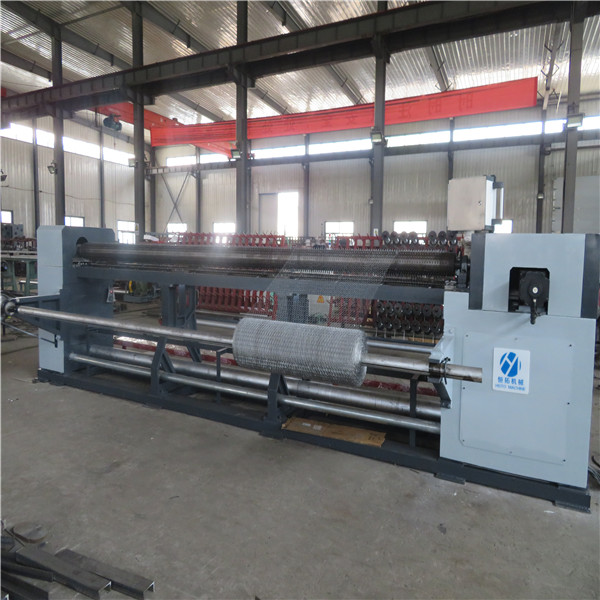
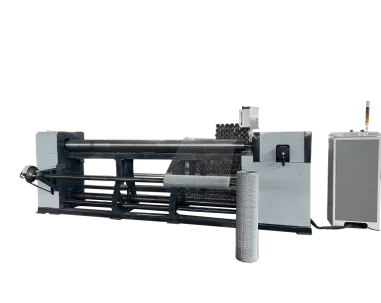
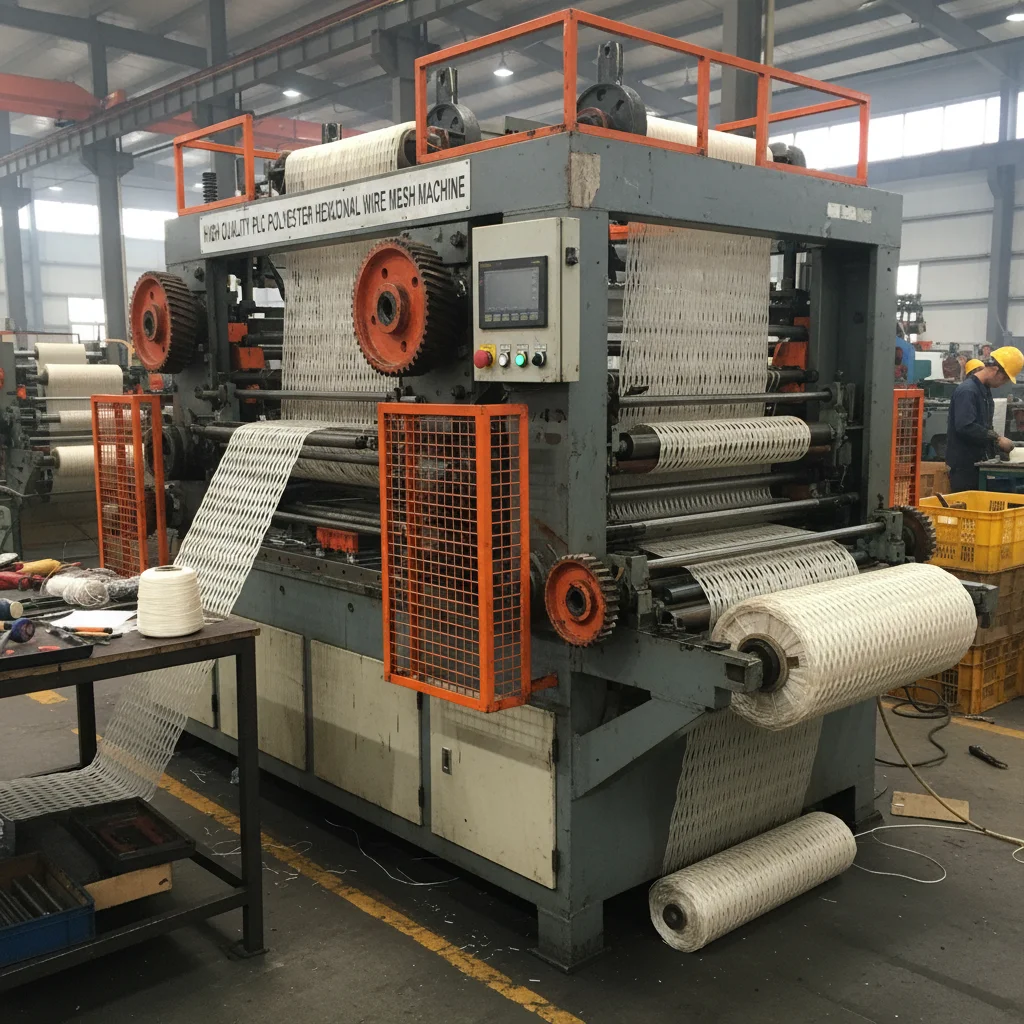
Massive infrastructure projects demand large quantities of mesh, and factories equipped with automated machinery can scale production accordingly, ensuring timelines and budgets are met.
4. Compliance with Environmental Standards
Given modern regulatory environments, factories must adhere to ISO standards (e.g., ISO 9001 for quality management) and environmental protocols that minimize waste and pollution during manufacturing.
5. Cost Efficiency
Optimizing raw materials, energy use, and labor allows manufacturers to deliver competitively priced products—a crucial factor for government and NGO contractors working on tight budgets.
Mini takeaway: The factory’s expertise shapes the quality, durability, and adaptability of gabion wire mesh products that serve diverse industrial and environmental needs.
Understanding Specifications: A Typical Gabion Wire Mesh Product
| Specification |
Details |
| Material |
Galvanized Steel Wire, 4.0mm Diameter |
| Coating |
PVC Coated, 0.5mm Thick |
| Mesh Size |
76.2mm x 76.2mm (3" x 3") |
| Tensile Strength |
≥ 450 N/mm² |
| Dimensions (Standard sheet) |
2m x 1m |
Global Applications & Use Cases of Gabion Wire Mesh
Gabion wire mesh factories feed industries across continents. From stabilizing terraced fields in Southeast Asia to constructing retaining walls in mountainous European regions, their impact is diverse. In flood-prone areas like Bangladesh, gabions protect riverbanks and prevent devastating erosion. Humanitarian organizations also turn to gabion mesh solutions during emergency infrastructure rebuilds, particularly after earthquakes or hurricanes.
- In developed industrial regions, gabion walls reinforce highway embankments and urban landscaping.
- In remote mining or energy extraction sites, they act as erosion control measures under harsh environments.
- Gabion wire mesh factory suppliers also support renewable energy projects by stabilizing ground structures for solar panel installations.
Mini takeaway: The reach of gabion wire mesh is both geographically vast and multifaceted—spanning infrastructure, environmental, and humanitarian fields.
Why Invest in Gabions? Advantages & Long-Term Value
When you think about it, gabion mesh solutions strike a rare balance: they are inexpensive yet rugged, simple yet versatile. Their open-structure allows drainage, preventing water pressure buildup that damages conventional retaining walls. Their eco-friendliness is notable too: gabions blend with landscapes, sometimes even supporting vegetation growth, which improves biodiversity.
For communities, gabions mean safety from landslides or floods without losing local character. They’re a trusted choice for engineers not only because of cost savings but also reliability—projects last decades with minimal maintenance.
Looking Ahead: Future Trends and Innovations
Manufacturers are now exploring biodegradable coatings to reduce environmental impact further. Automation in gabion wire mesh factory setups improves quality control and output speed. There’s also a rising interest in integrating smart sensors into gabion cages to monitor structural health, which could revolutionize maintenance and safety monitoring.
As sustainability becomes paramount, factories are adopting greener steel production methods and sourcing recycled materials whenever possible. Plus, digital models are enabling bespoke gabion solutions tailored to extreme weather projections.
Common Challenges & How Industry Experts Tackle Them
Despite their many advantages, gabions aren’t a perfect solution. One issue is wire corrosion over time, especially in salty or acidic environments. To mitigate this, factories experiment with specialized coatings and alloys. Another challenge is weight and transportation logistics—as bulk materials, gabion wire mesh can be cumbersome, so optimized packaging and modular designs help reduce costs.
Finally, setting standards for quality across manufacturers is a work in progress, so industry bodies encourage certifications like ISO 9001 and independent testing labs to uphold trust.
FAQ: Frequently Asked Questions About Gabion Wire Mesh Factory
- What defines a high-quality gabion wire mesh?
- High-quality gabion wire mesh features robust galvanized or PVC coatings for corrosion resistance, consistent mesh size for stability, and tensile strength above 400 N/mm².
Factories with ISO certifications typically produce these reliably.
- How long do gabion wire mesh products typically last in outdoor environments?
- With proper coating, gabion mesh can last 30 to 50 years or more, depending on exposure. Regular inspections and environmental considerations affect longevity.
- Can gabion wire mesh factories customize mesh sizes and coatings?
- Yes, most modern factories offer customization to fit project specifications, including wire diameter, mesh size, and coating types.
- Are gabions environmentally sustainable compared to traditional concrete walls?
- Generally yes; they promote water drainage and vegetation growth, reducing soil erosion and carbon footprint associated with concrete production.
Vendor Comparison: Top Gabion Wire Mesh Manufacturers
| Vendor |
Product Range |
Certifications |
Strengths |
Geographic Reach |
| HT Mesh Machines |
Wide (customizable meshes & coatings) |
ISO 9001, CE |
Advanced automation, sustainability focus |
Global (Asia, Europe, Americas) |
| SteelFab Corp |
Standardized meshes, limited coatings |
ISO 14001 |
Strong environmental management |
Regional (Europe) |
| SolidMesh Inc. |
Premium coatings, heavy-duty options |
ISO 9001 |
Highly durable products, niche market |
North America, Australia |
Conclusion: Why Gabion Wire Mesh Factories Are More Than Just Manufactories
Reflecting on all this, it feels like gabion wire mesh factories are quietly but indispensably intertwined with the world’s growing infrastructure and environmental resilience needs. They’re not just making mesh; they’re making possible safer slopes, protected waterways, and renewed communities. For anyone involved in construction, environmental protection, or humanitarian aid, knowing the ins and outs of these factories is a solid edge.
Interested in exploring top-tier gabion wire mesh solutions? Visit our trusted partner at gabion wire mesh factory to find out more.
Takeaway: The gabion wire mesh factory is a linchpin in modern, sustainable infrastructure — combining durability, adaptability, and eco-friendly materials to meet global challenges head-on.
- UN - World Urbanization Prospects
- ISO 9001 Quality Management
- Gabion - Wikipedia