Hit enter to search or ESC to close
27 June 2026
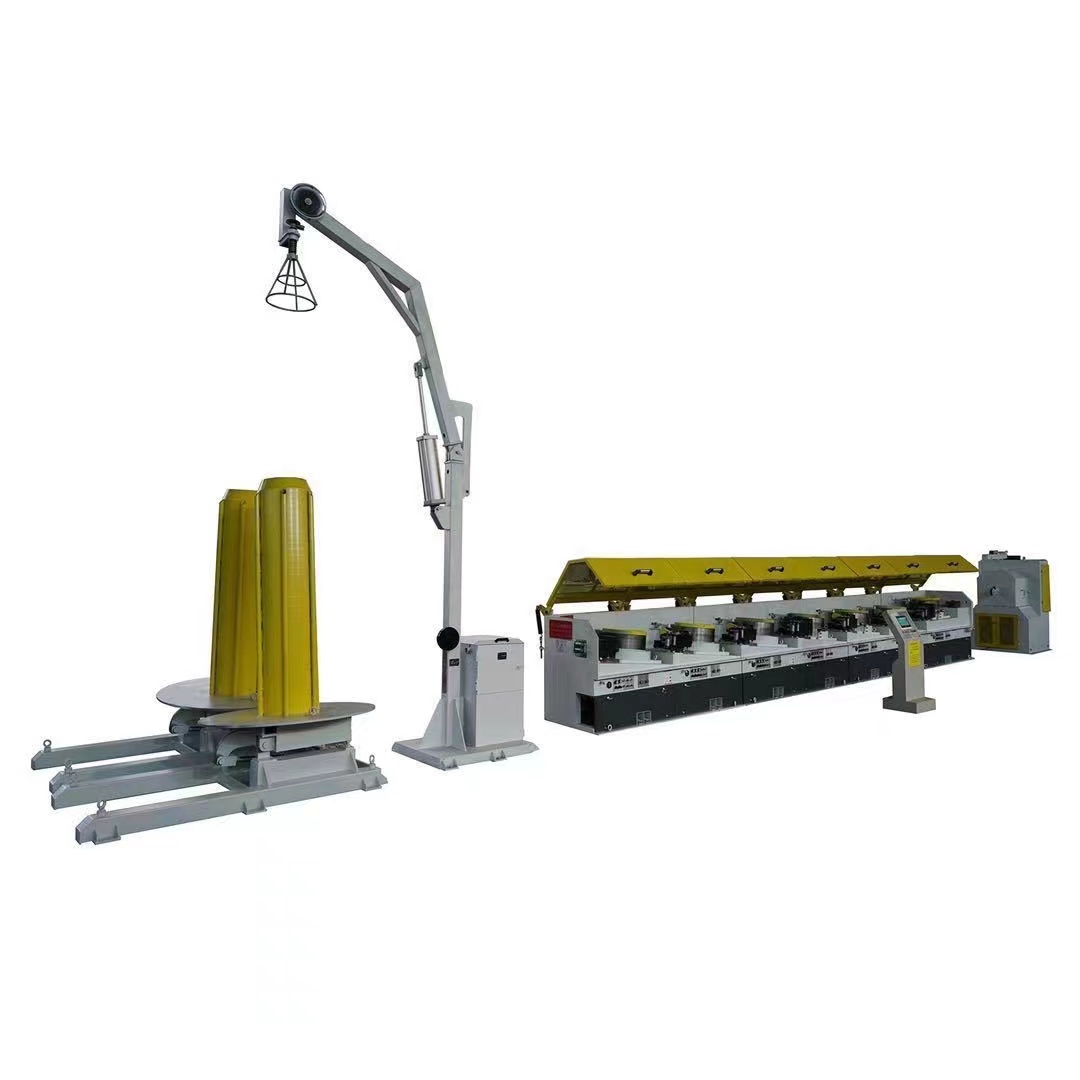
In the modern industrial landscape, precision and efficiency are the cornerstones of successful manufacturing. The hexagonal wire mesh machine has emerged as a pivotal piece of equipment for producers seeking to create high-quality chicken wire and honeycomb mesh. Whether it is for agricultural fencing, pipeline insulation, or artistic floral arrangements, the demand for consistent mesh geometry is higher than ever. By integrating advanced PLC controls and a robust horizontal structure, today's machinery allows manufacturers to scale production while maintaining strict quality standards. This guide explores how these machines optimize workflows and reduce overhead costs.

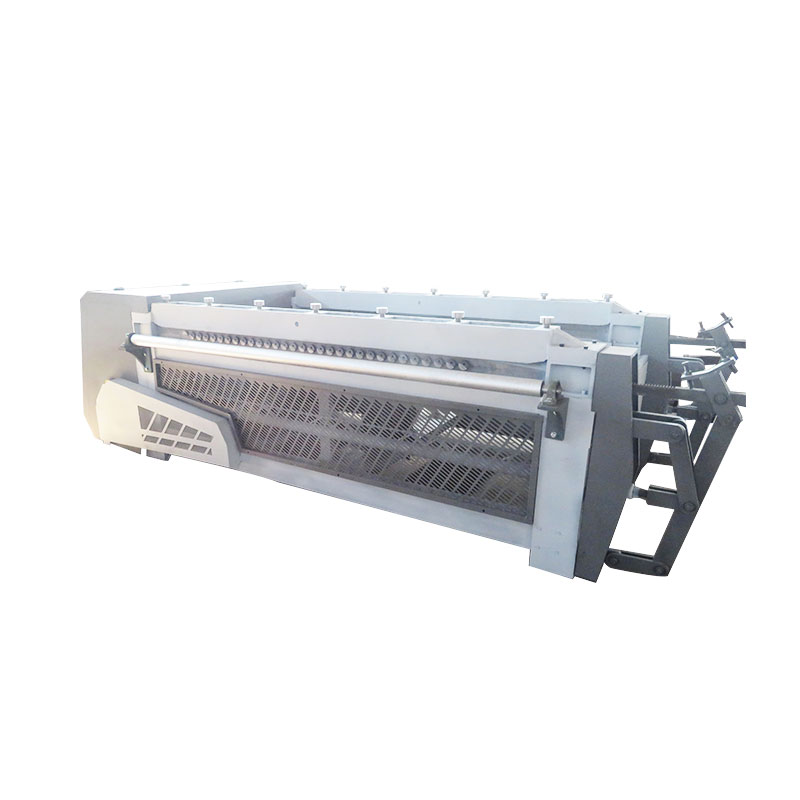
The latest generation of the hexagonal wire mesh machine features a positive twisted design that ensures maximum stability during the weaving process. Unlike traditional vertical models, the adoption of a horizontal structure allows the machine to run more smoothly, significantly reducing vibration and wear on mechanical components. This design innovation is not just about stability; it enables the production of a minimum mesh size as small as 10mm, opening up new market opportunities in precision screening and specialized insulation. Furthermore, the versatility of the equipment allows it to process both galvanized iron wire and plastic-coated wire without compromising on speed.
Core Advantage: The horizontal structural design ensures a smoother operation, reducing mechanical stress and extending the overall lifespan of the equipment compared to legacy vertical systems.
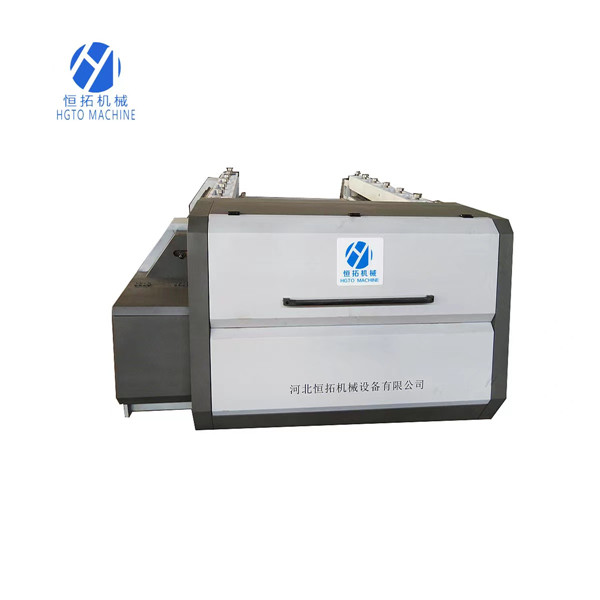
One of the most significant challenges in the metallurgy and machinery industry is the rising cost of skilled labor. The modern hexagonal wire mesh machine addresses this through an intuitive PLC (Programmable Logic Controller) interface. This automation simplifies the setup and operation process so drastically that only two operators are required to manage the entire line. By reducing the workforce needed per machine, companies can significantly lower their long-term labor expenditures. Additionally, the streamlined workflow minimizes material waste and reduces the energy footprint, contributing to a more sustainable and profitable production cycle.
Selecting the right machine requires a deep understanding of the technical capabilities relative to your product requirements. From wire diameter to the number of twists, each parameter affects the final strength and aperture of the mesh. Below is the detailed specification table for our range of equipment, designed to handle various industrial needs from breeding fences to floral decorations.
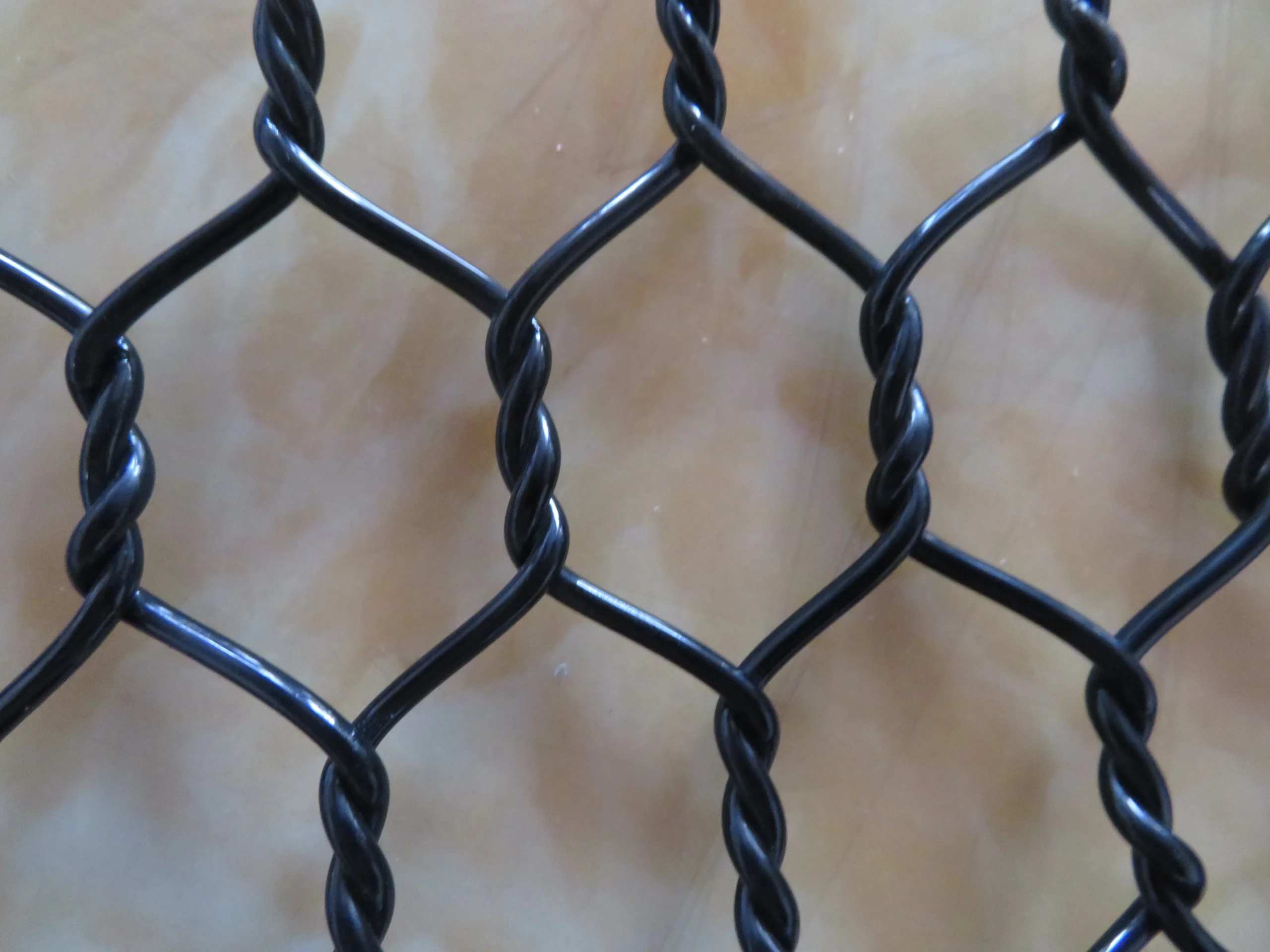
The output of a high-performance hexagonal wire mesh machine is incredibly versatile, serving a multitude of sectors. In the construction industry, these meshes are essential for pipeline insulation and reinforcement. In agriculture, they provide durable and breathable fencing for poultry and animal breeding. Beyond industrial use, the aesthetic appeal of small hexagonal mesh makes it a favorite for floral decoration and wedding flower arrangements. This versatility ensures that manufacturers can pivot their production to meet fluctuating market demands, making the machine a future-proof investment for any wire-working facility.

When comparing legacy weaving equipment with the modern hexagonal wire mesh machine, the differences in efficiency are stark. Older machines often required extensive manual intervention and had a larger footprint, leading to higher electricity consumption and wasted floor space. In contrast, modern machines focus on "reduced volume," meaning a smaller physical footprint without sacrificing output. This allows factories to optimize their layout, fitting more production lines into the same area while reducing the power required to drive the motors, leading to overall cost reductions.
Modern Machinery Benefits:
• Reduced Footprint: Smaller machine volume saves valuable factory space.
• Energy Efficiency: Lower power consumption per meter of mesh produced.
• Material Flexibility: Compatible with both galvanized and coated wires.
• Labor Savings: PLC operation reduces crew size to just two people.
Investing in a high-quality hexagonal wire mesh machine is more than just a hardware upgrade; it is a strategic move toward operational excellence. By combining innovative horizontal design, PLC automation, and versatile material compatibility, manufacturers can achieve higher output with lower costs. Whether you are targeting the industrial insulation market or the agricultural sector, the right machinery ensures your products remain competitive in quality and price. Visit www.htmeshmachines.com to find the perfect configuration for your business.
Yes, the machine is specifically designed to be versatile. It can weave both galvanized iron wire and plastic-coated wire with ease. The precision of the twisting mechanism ensures that the coating remains intact during the weaving process, which is critical for products used in corrosive environments or for aesthetic purposes in floral arrangements. This flexibility allows producers to offer a wider variety of products to their clients using a single piece of equipment.
The PLC (Programmable Logic Controller) system simplifies the complex mechanical timing required for hexagonal weaving. Instead of manual adjustments and mechanical calibrations, operators can set parameters digitally. This not only reduces the margin for human error but also allows for faster changeovers between different mesh sizes. Because the system is so intuitive, the total number of staff required to operate the machine is reduced, directly lowering long-term labor costs for the factory.
Thanks to the new positive twisted design, our hexagonal wire mesh machine can produce a minimum mesh size of 10mm. This precision allows for the manufacture of tight, high-density mesh used in specialized applications such as pipeline insulation and high-end breeding cages. The ability to produce such small mesh sizes gives manufacturers a competitive edge in niche markets where standard equipment typically fails.
A horizontal structure provides superior stability and balance during high-speed operation. In vertical systems, gravity and centrifugal forces can lead to more significant vibration, which increases wear and tear on the bearings and gears. The horizontal layout ensures that the machine runs more smoothly, resulting in a more consistent mesh shape and a longer overall machine lifespan. It also makes maintenance access easier for technicians, reducing downtime during routine servicing.