Hit enter to search or ESC to close
20 June 2026
In the modern landscape of civil engineering and erosion control, the demand for durable retaining structures has surged. Central to this production is the gabionwire mesh machine, a sophisticated piece of equipment designed to weave heavy-duty wire into stable, hexagonal or rectangular grids. Whether you are aiming to secure a riverbank or create architectural landscape features, the quality of the mesh depends entirely on the precision of the machinery used. By integrating automation and high-grade materials, today's machines ensure that every cage produced can withstand immense pressure and environmental wear. In this guide, we will explore how selecting the right equipment can transform your production capacity and product quality.

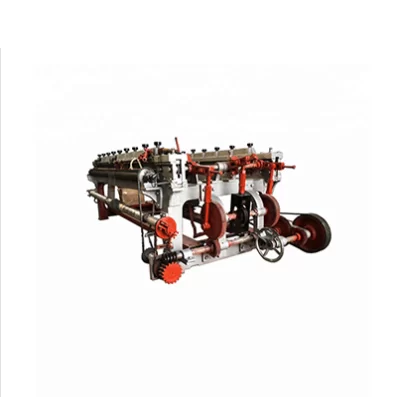
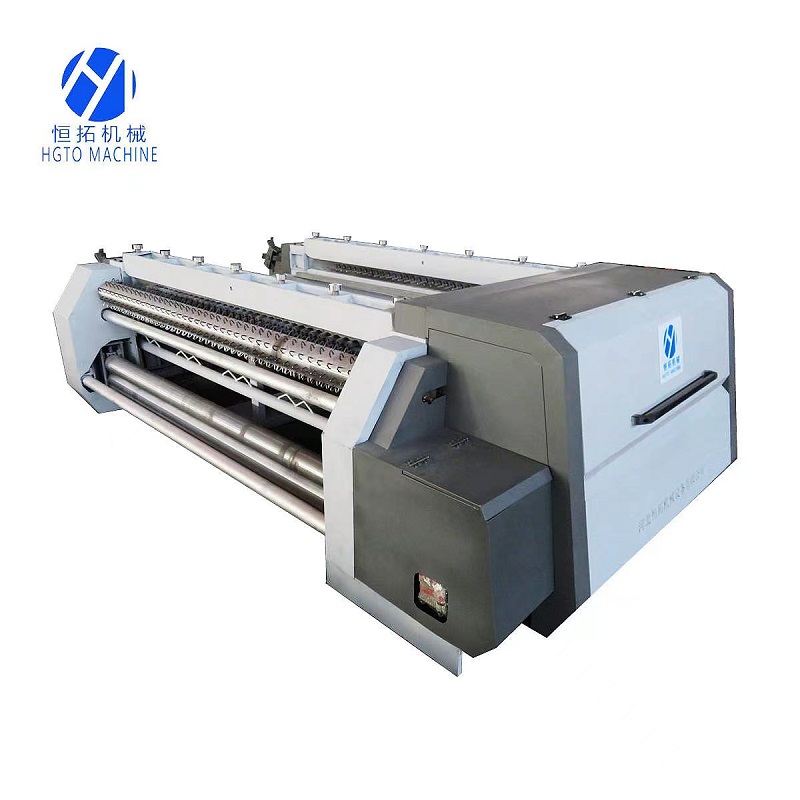
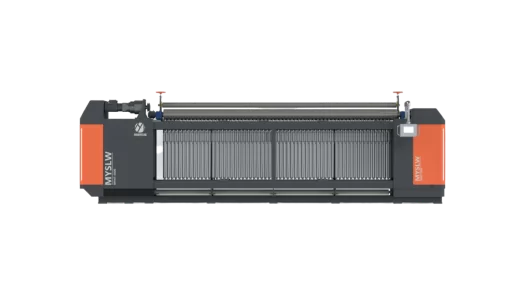
A professional gabionwire mesh machine operates on a principle of precision weaving. The process begins with high-tensile galvanized or PVC-coated wire being fed through a series of guiding rollers. The machine then utilizes a sophisticated shuttle or weaving mechanism to interlace the wires, creating the characteristic open-mesh structure. Precision tension control is critical here; if the wire is too loose, the resulting gabion baskets will bulge under the weight of the stones. Conversely, over-tensioning can lead to wire breakage during the weaving process. Modern machines now feature PLC control systems that allow operators to adjust mesh size and wire thickness with digital accuracy, reducing waste and increasing output.
Technical Insight: The use of high-torque motors and reinforced frames in these machines ensures stability during high-speed operation, preventing vibration-induced defects in the mesh weave.
Moving from manual weaving to an automated gabionwire mesh machine offers an exponential leap in productivity. Automation eliminates human error, ensuring that every mesh roll is uniform in width and aperture. This consistency is vital for large-scale government infrastructure projects where strict adherence to technical specifications is mandatory. Furthermore, automated systems significantly lower labor costs and improve workplace safety by reducing the manual handling of heavy wire spools. With high-speed weaving capabilities, a single machine can produce hundreds of square meters of mesh per shift, allowing manufacturers to meet tight project deadlines without compromising on quality.
Automation Benefits:
• Uniformity: Guaranteed consistent mesh aperture across all rolls.
• Scalability: Ability to scale production quickly for large contracts.
• Waste Reduction: Precise wire cutting reduces raw material scrap.
• Labor Efficiency: Fewer operators required for high-volume output.
Not all machines are created equal. Depending on your project needs, you may require a machine capable of producing hexagonal mesh (common for river works) or welded rectangular mesh (preferred for urban landscaping). A high-end gabionwire mesh machine often provides versatility in wire diameter and mesh size. When comparing manual, semi-automatic, and fully automatic models, the investment in automation typically pays for itself within the first year through increased throughput and lower defect rates. The following table provides a detailed comparison to help you choose the right fit for your factory.
The output from a gabionwire mesh machine serves a multitude of critical infrastructure purposes. In hydrological engineering, gabions are essential for preventing soil erosion along riverbanks and coastlines, where the porous nature of the mesh allows water to pass through while retaining the earth. In civil construction, they are used to build gravity retaining walls that are both flexible and strong. Beyond utility, architects now use gabion walls for modern urban aesthetics, filling the wire cages with decorative stones to create sustainable partitions. Because these machines can handle various wire coatings—such as Galfan or PVC—the resulting mesh is suitable for everything from saltwater environments to high-pollution urban zones.

When investing in a gabionwire mesh machine, understanding the technical parameters is non-negotiable. The capacity to handle different wire diameters (typically ranging from 2.0mm to 4.0mm) determines the strength of the final basket. Additionally, the width of the machine dictates the maximum roll size you can produce. High-quality machines are built with hardened steel components to resist wear and tear from the constant friction of the wire. Below are the standard specifications typically found in industrial-grade weaving equipment.
To ensure your gabionwire mesh machine continues to operate at peak efficiency, a rigorous maintenance schedule is essential. Lubrication of the moving parts, particularly the weaving shuttles and bearings, prevents premature wear and reduces the risk of sudden downtime. Operators should regularly inspect the wire guides for signs of abrasion, as worn guides can cause the wire to fray or misalign, resulting in defective mesh. Additionally, keeping the machine environment clean and free of metal shavings prevents debris from entering the gear system. By investing in a small amount of daily preventative care, manufacturers can extend the lifespan of their machinery by several years.
Investing in a high-quality gabionwire mesh machine is a strategic move for any manufacturer looking to dominate the erosion control and retaining wall market. From superior weave consistency to massive increases in hourly output, the right equipment eliminates the bottlenecks of manual production. By choosing machinery that balances technical precision with rugged durability, you ensure that your gabion baskets meet the highest international standards for safety and strength. Elevate your operational efficiency and deliver unmatched quality to your clients today.
Hexagonal mesh is traditionally produced by a weaving gabionwire mesh machine and is highly flexible, making it ideal for irregular terrain and riverbank protection as it contours to the ground. Rectangular mesh is typically welded and offers a more rigid, structured appearance, which is preferred for architectural walls and urban landscaping. The choice depends on whether you need structural flexibility or geometric rigidity for your specific application.
Yes, most modern industrial gabionwire mesh machines are designed with adjustable settings. By changing the guiding rollers and adjusting the PLC parameters, operators can switch between different aperture sizes (e.g., from 8x10cm to 6x10cm). However, significant changes in wire diameter may require changing certain wear parts or molds to maintain the precision of the weave.
While the machine handles the weaving, corrosion resistance is determined by the raw wire material fed into the gabionwire mesh machine. We recommend using hot-dipped galvanized wire or PVC-coated galvanized wire. The machinery is designed to handle these coatings without scratching them during the weaving process, ensuring the protective layer remains intact, which is crucial for baskets installed in acidic soils or saltwater environments.
The installation process generally takes between 3 to 7 days. This includes the physical positioning of the machine, electrical wiring, and calibration of the weaving mechanism. Most professional suppliers provide an installation team to ensure the gabionwire mesh machine is perfectly leveled and synchronized. Following installation, operator training is conducted to ensure the staff can maximize the machine's efficiency and handle basic maintenance.