Hit enter to search or ESC to close
16 April 2026
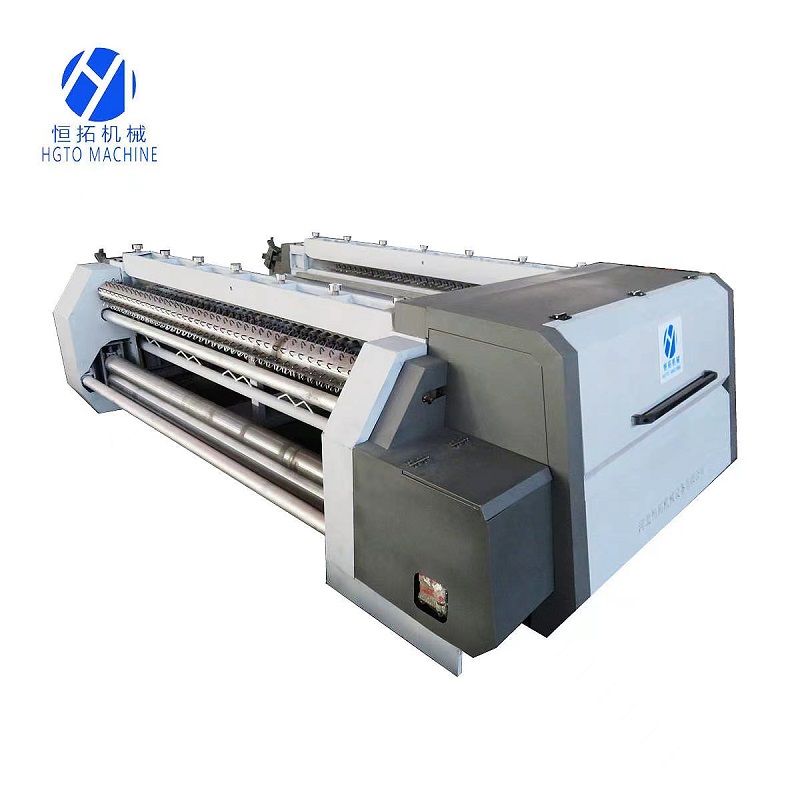
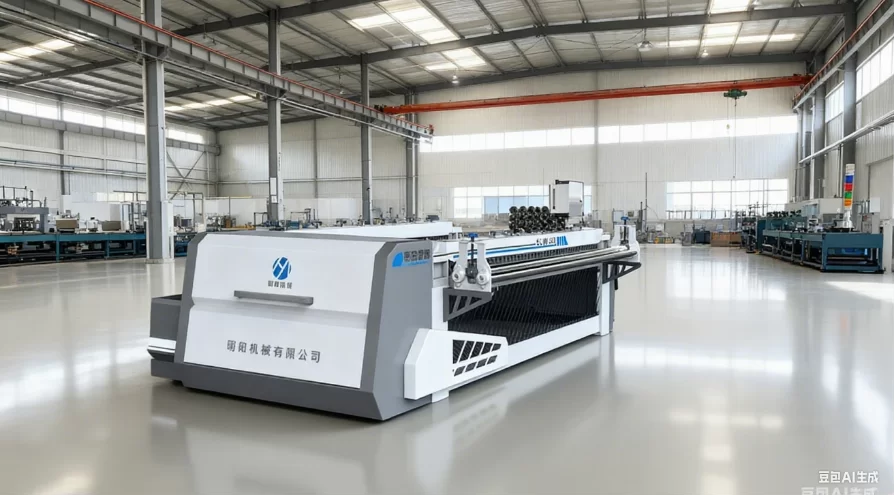
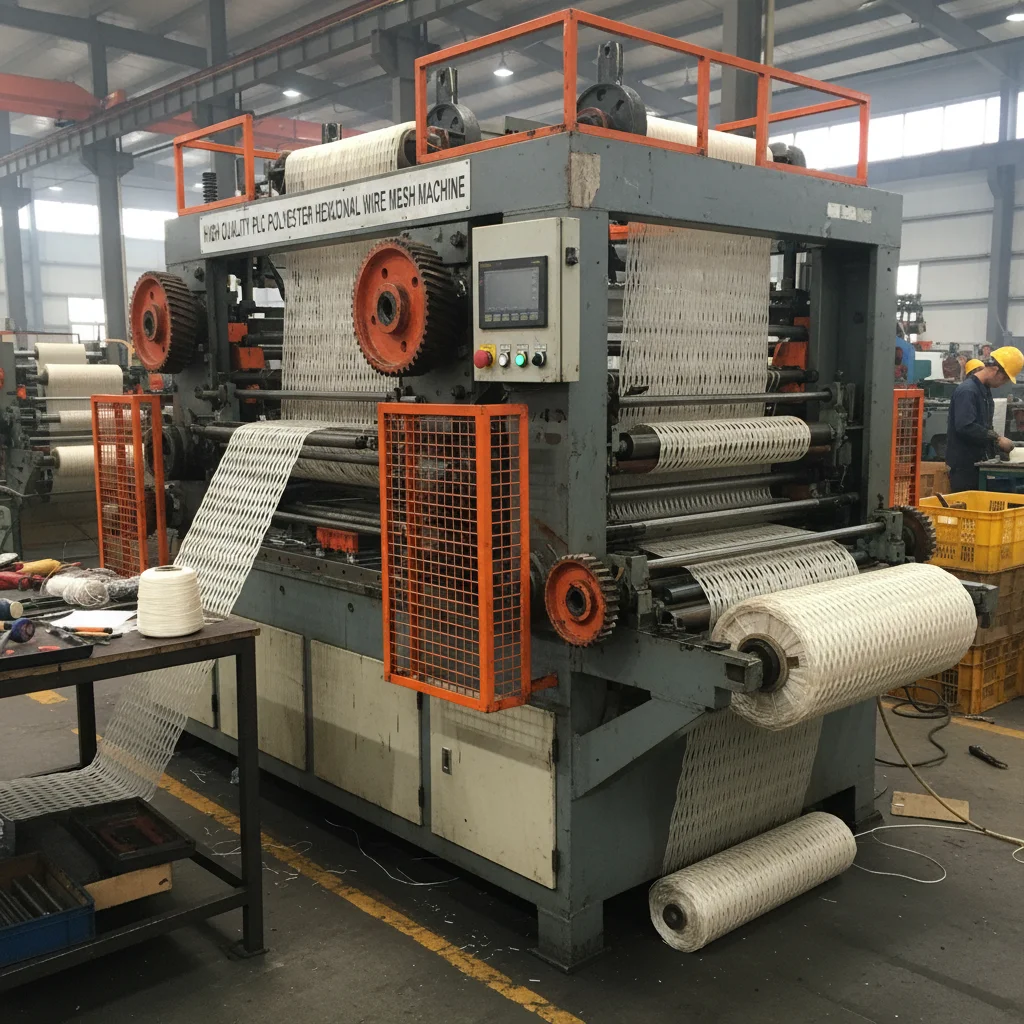
In the modern industrial landscape, precision and automation are the cornerstones of production efficiency. The High Quality PLC Polyester Hexagonal Wire Mesh Machine represents a significant leap in textile and mesh engineering, combining Programmable Logic Control (PLC) with durable polyester materials. Whether you are catering to the construction, agricultural, or filtration sectors, investing in a high-precision weaving system ensures consistent quality and reduced waste. This article explores the technical advantages, operational efficiency, and the strategic value of integrating PLC technology into your mesh production line.
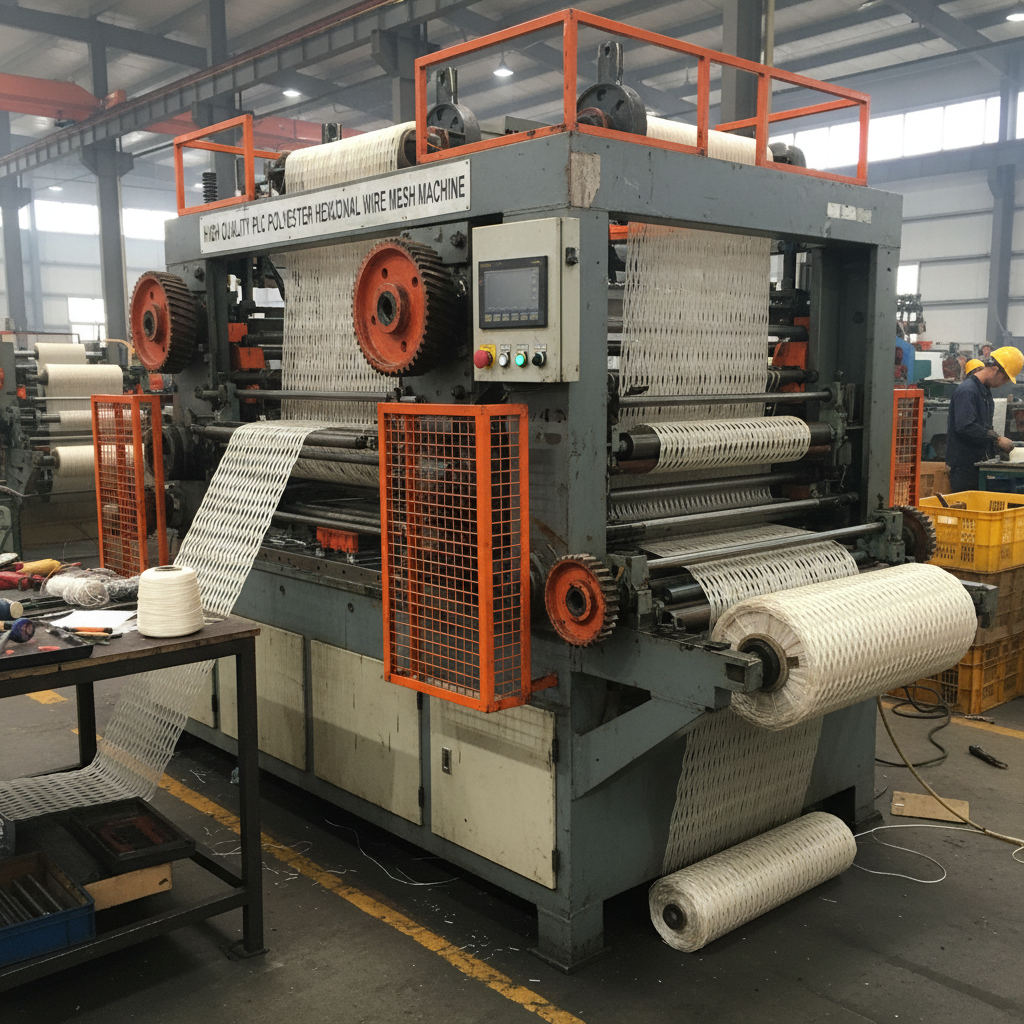
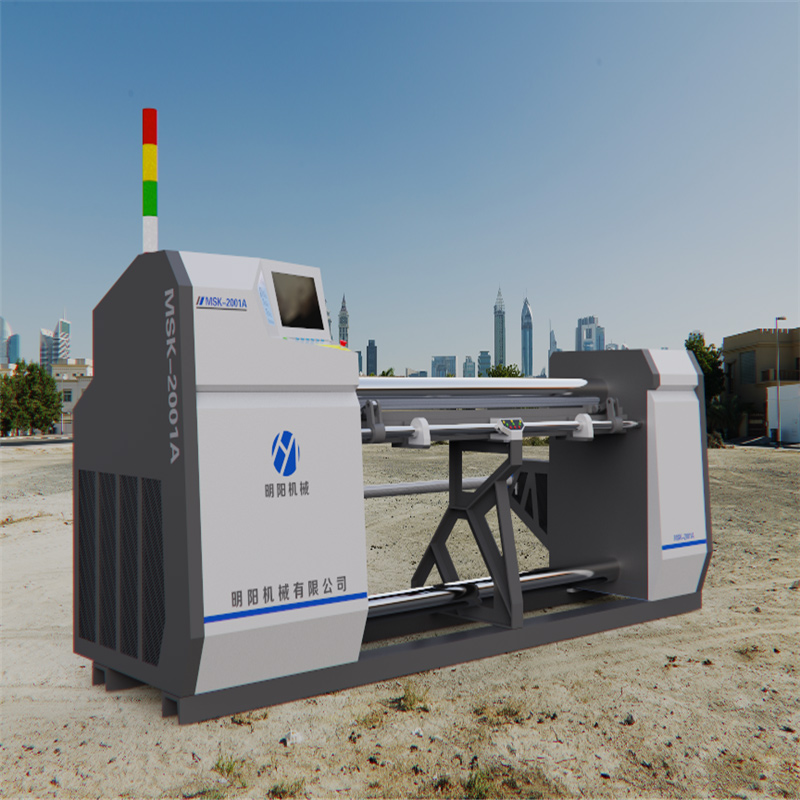
The integration of a Programmable Logic Controller (PLC) transforms a standard loom into a smart manufacturing hub. A High Quality PLC Polyester Hexagonal Wire Mesh Machine allows operators to program precise weaving patterns, adjust tension automatically, and monitor production in real-time. This automation eliminates the human error associated with manual adjustments, ensuring that every hexagonal cell is uniform in size and strength. By utilizing PLC systems, manufacturers can switch between different mesh specifications with a few keystrokes, drastically reducing downtime during product transitions.
Automation Advantage: PLC systems enable synchronous control of the warp and weft movements, providing a level of stability that traditional mechanical cams cannot achieve, especially when working with high-tensile polyester fibers.
Polyester is the preferred material for high-performance hexagonal mesh due to its exceptional tensile strength and resistance to environmental degradation. When processed by a High Quality PLC Polyester Hexagonal Wire Mesh Machine, the fiber maintains its structural integrity while being woven into the complex hexagonal geometry. Unlike metal wires, polyester is corrosion-resistant and lightweight, making it ideal for outdoor applications such as erosion control, safety fencing, and architectural shading. Its ability to withstand UV radiation ensures that the mesh remains durable even under prolonged sun exposure.
Polyester Material Benefits:
• Superior resistance to acids, alkalis, and organic solvents
• High dimensional stability (low shrinkage)
• Excellent strength-to-weight ratio
• High elasticity and fatigue resistance
To understand the capability of this equipment, one must look at the technical parameters that define its performance. The High Quality PLC Polyester Hexagonal Wire Mesh Machine is engineered for high-speed output without compromising the precision of the hexagonal weave. The following table outlines the standard specifications found in our premium industrial models.
When comparing the High Quality PLC Polyester Hexagonal Wire Mesh Machine to traditional mechanical looms, the differences in efficiency and quality are stark. Traditional machines rely on fixed gears and cams, meaning any change in mesh size requires a complete mechanical overhaul. In contrast, PLC-driven machines offer digital flexibility. This allows for "on-the-fly" adjustments to the hexagonal geometry, ensuring that the final product meets strict international tolerances with minimal waste.
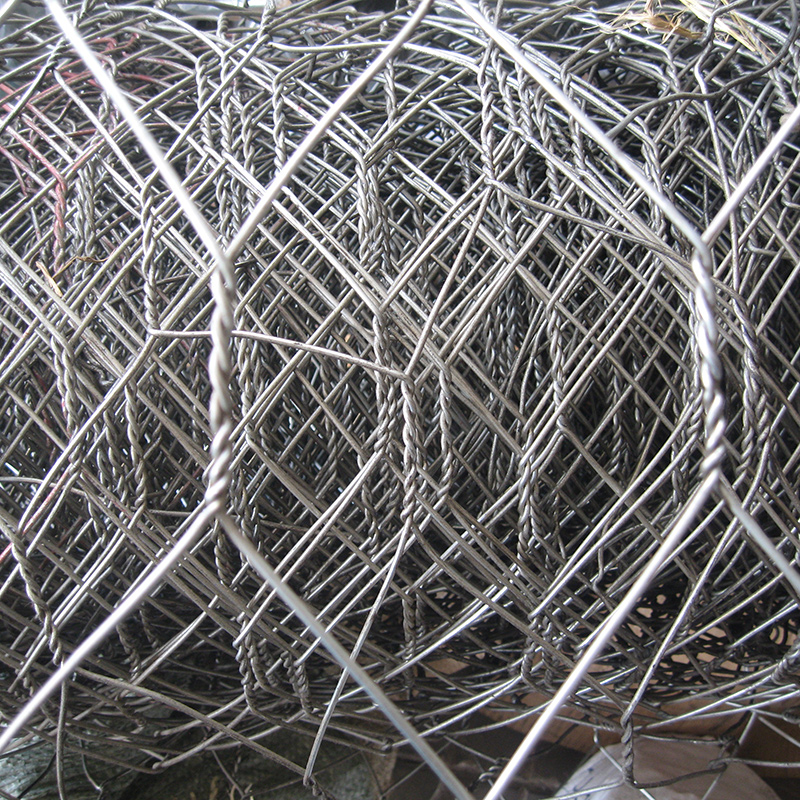
The output from a High Quality PLC Polyester Hexagonal Wire Mesh Machine is utilized across a diverse spectrum of industries. In civil engineering, it is used for soil stabilization and slope protection. In the agricultural sector, it provides a durable yet breathable barrier for poultry and crop protection. Furthermore, the architectural industry utilizes this mesh for innovative facade designs that provide shade while maintaining airflow. The precision of the hexagonal structure ensures that the mesh distributes stress evenly, preventing tears and elongations under load.
To maintain the "High Quality" status of your High Quality PLC Polyester Hexagonal Wire Mesh Machine, a proactive maintenance schedule is essential. Because the machine relies on a combination of electronic sensors and mechanical actuators, cleaning the PLC sensors and lubricating the weaving heads are critical tasks. Regular software updates for the PLC can also optimize energy consumption and improve weaving speeds. By adhering to a strict maintenance protocol, operators can extend the machine's lifespan and ensure that the hexagonal mesh output remains consistent over millions of meters of production.
The High Quality PLC Polyester Hexagonal Wire Mesh Machine is more than just a piece of equipment; it is a strategic asset for any manufacturer aiming for excellence. By blending the durability of polyester with the intelligence of PLC automation, businesses can achieve unprecedented levels of precision, versatility, and speed. As industrial demands evolve, transitioning to smart weaving technology is the only way to remain competitive and deliver superior products to the global market.
The PLC (Programmable Logic Controller) acts as the brain of the machine, coordinating every mechanical movement with micro-second precision. In traditional machines, mechanical wear can lead to "drift" in the mesh size. The PLC system uses feedback loops and sensors to constantly monitor the tension and position of the polyester threads. This ensures that every hexagonal cell is identical in shape and size, eliminating flaws and reducing the rate of defective products significantly. This level of control is essential for meeting the strict quality standards required in industrial filtration and construction applications.
Yes, the High Quality PLC Polyester Hexagonal Wire Mesh Machine is designed for versatility. It can process a wide range of polyester yarn denominations, from fine filaments for lightweight architectural mesh to heavy-duty coated yarns for industrial safety barriers. Because the PLC allows for the adjustment of tension and speed settings, the operator can easily calibrate the machine to match the specific elasticity and thickness of the chosen yarn, ensuring a smooth weaving process without thread breakage.
One of the primary advantages of a PLC-based system is the drastic reduction in setup time. While traditional mechanical machines might require days to change gears and cams for a new mesh size, a PLC machine can often be reconfigured in a matter of minutes via the HMI (Human Machine Interface) touch screen. Depending on the extent of the change, the transition is nearly instantaneous for software-based adjustments. For significant changes in yarn width, only minor mechanical guide adjustments are needed, making the PLC machine the ideal choice for manufacturers who handle multiple small-batch custom orders.
While the machine is designed to be user-friendly, a basic level of training is recommended to fully utilize its capabilities. The HMI interface is intuitive and typically uses visual icons and clear menus, allowing operators to manage the High Quality PLC Polyester Hexagonal Wire Mesh Machine without needing deep programming knowledge. However, training on safety protocols, yarn loading, and basic PLC troubleshooting ensures maximum uptime and safety. Most suppliers provide comprehensive operation manuals and initial on-site training to ensure the production team is confident in managing the automated systems.