Hit enter to search or ESC to close
5 December 2025
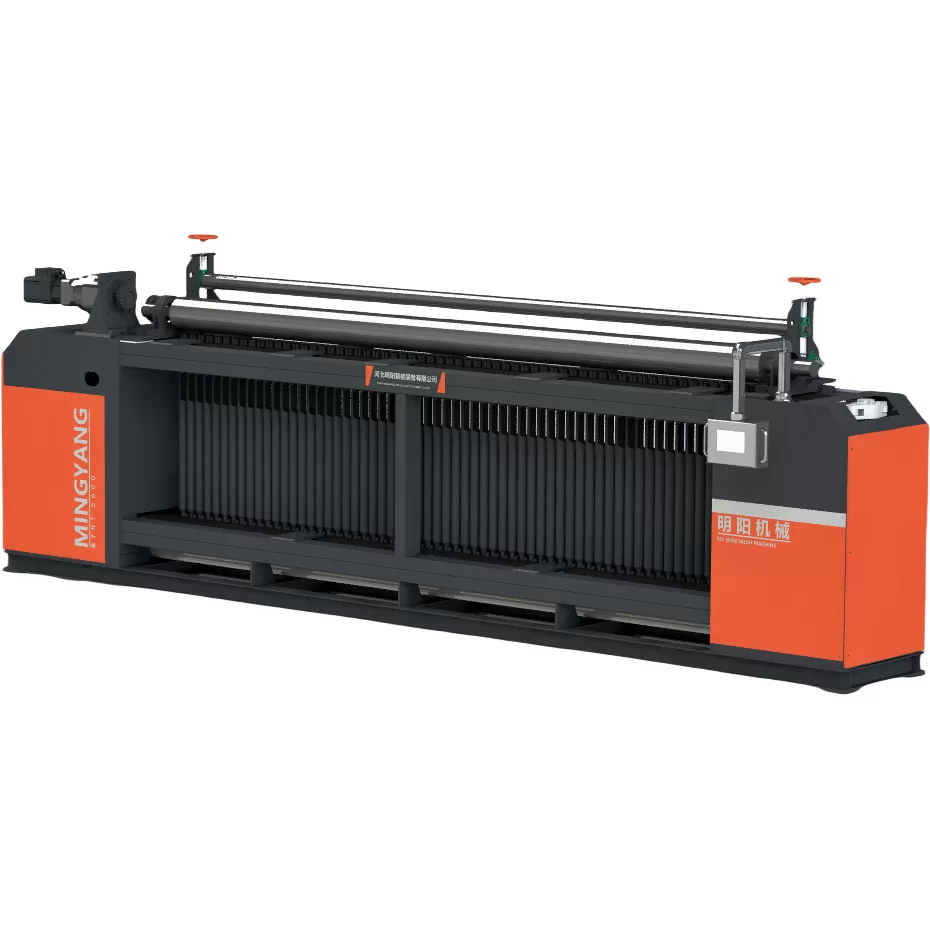
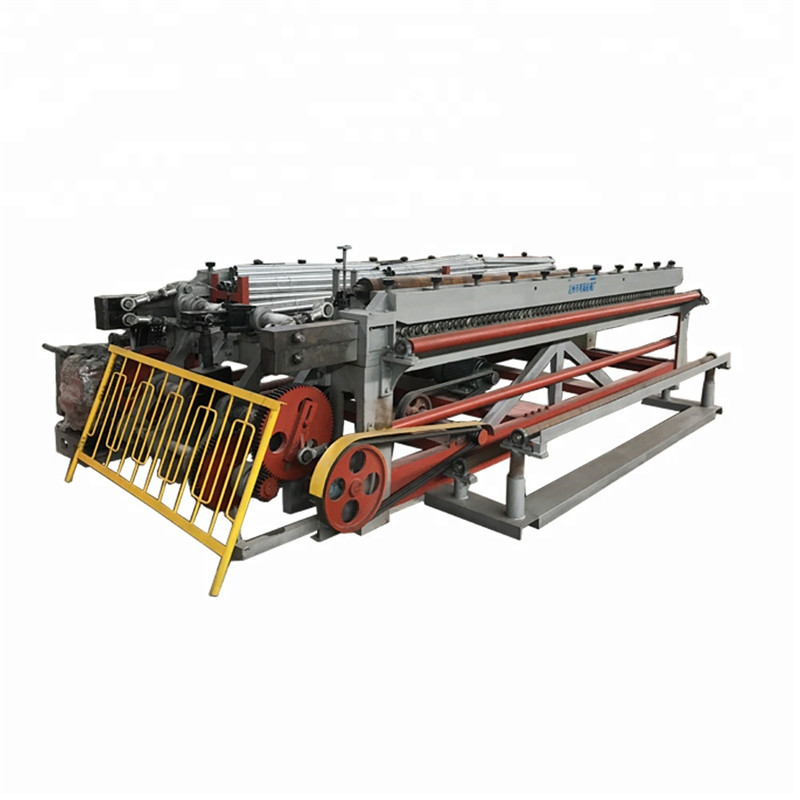
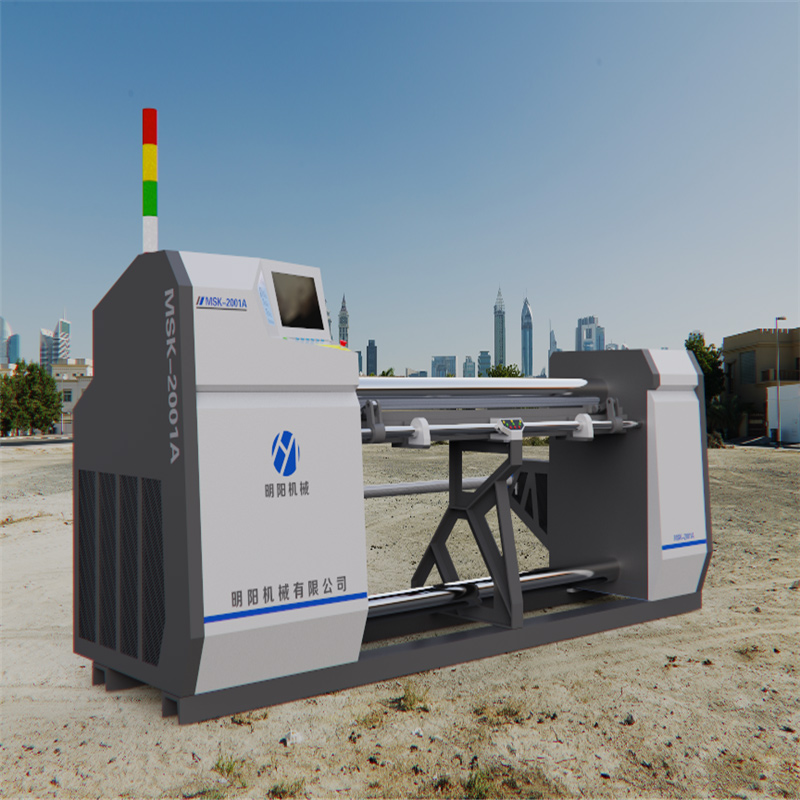
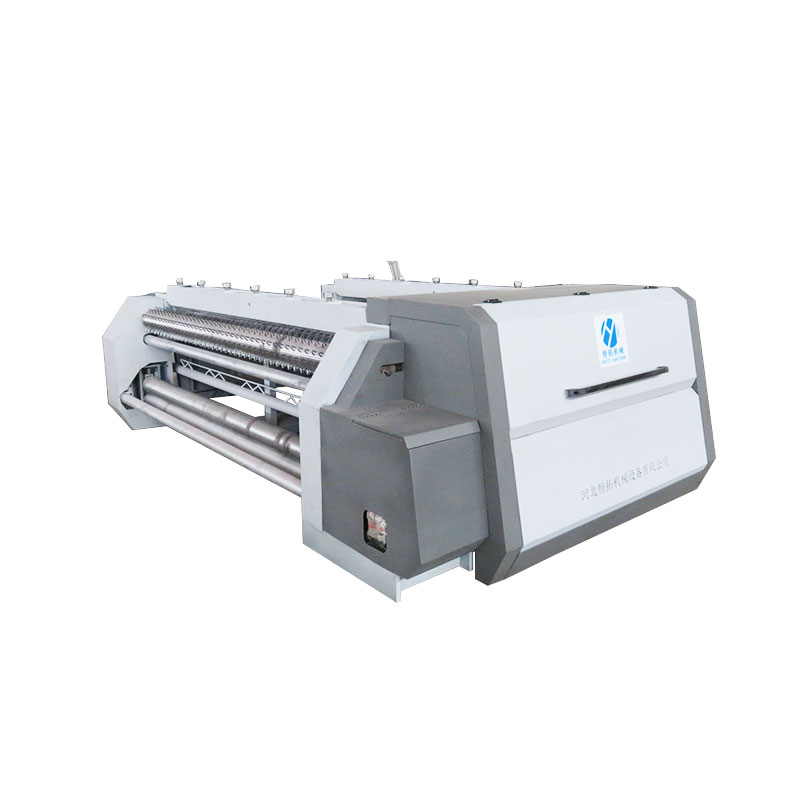
If you’ve ever worked with metal wire manufacturing, you probably know that wire drawing is where precision meets endurance. Today, let's dive into the world of the High speed automatic steel wire drawing machine — a piece of equipment that’s quietly reshaping how fast and efficiently steel wires get made. Actually, it’s not just about speed; it’s about consistency, customization, and meeting the demands of ever-increasing industry standards.
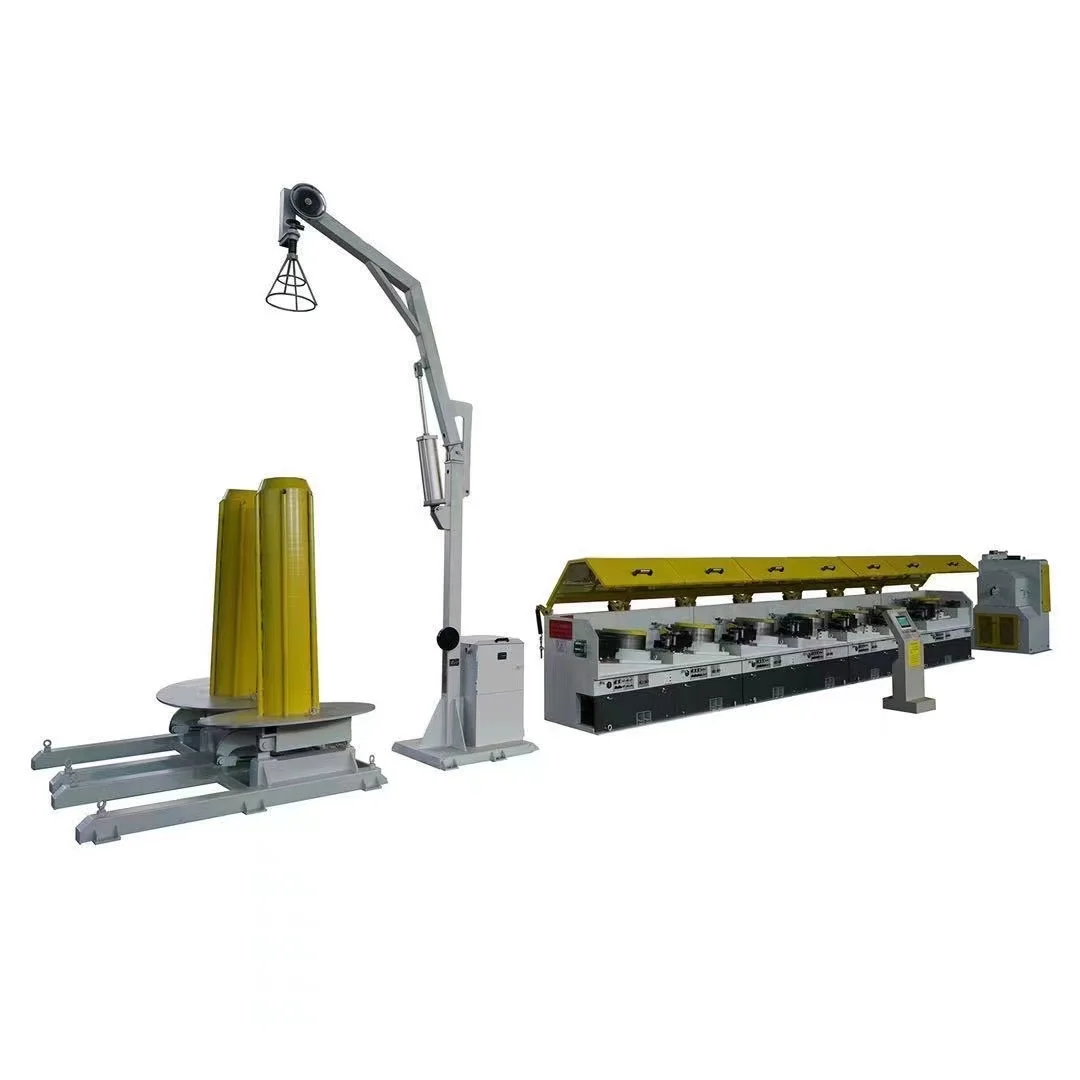
Honestly, the steel wire market has been booming, especially with the rise of infrastructure projects, automotive needs, and construction demands worldwide. High tensile strength wires made with precise diameters are more in demand than ever. Traditional machines just can’t keep pace with the volume and quality control required. Hence, the emergence of high speed automatic steel wire drawing machines — combining automation, intelligence, and sturdy build quality.
Many customers say the ability to run these machines continuously without much manual intervention cuts downtime significantly. Plus, modern ones often include energy-saving motors and cooling systems to tackle the heat generated by high-speed operations.
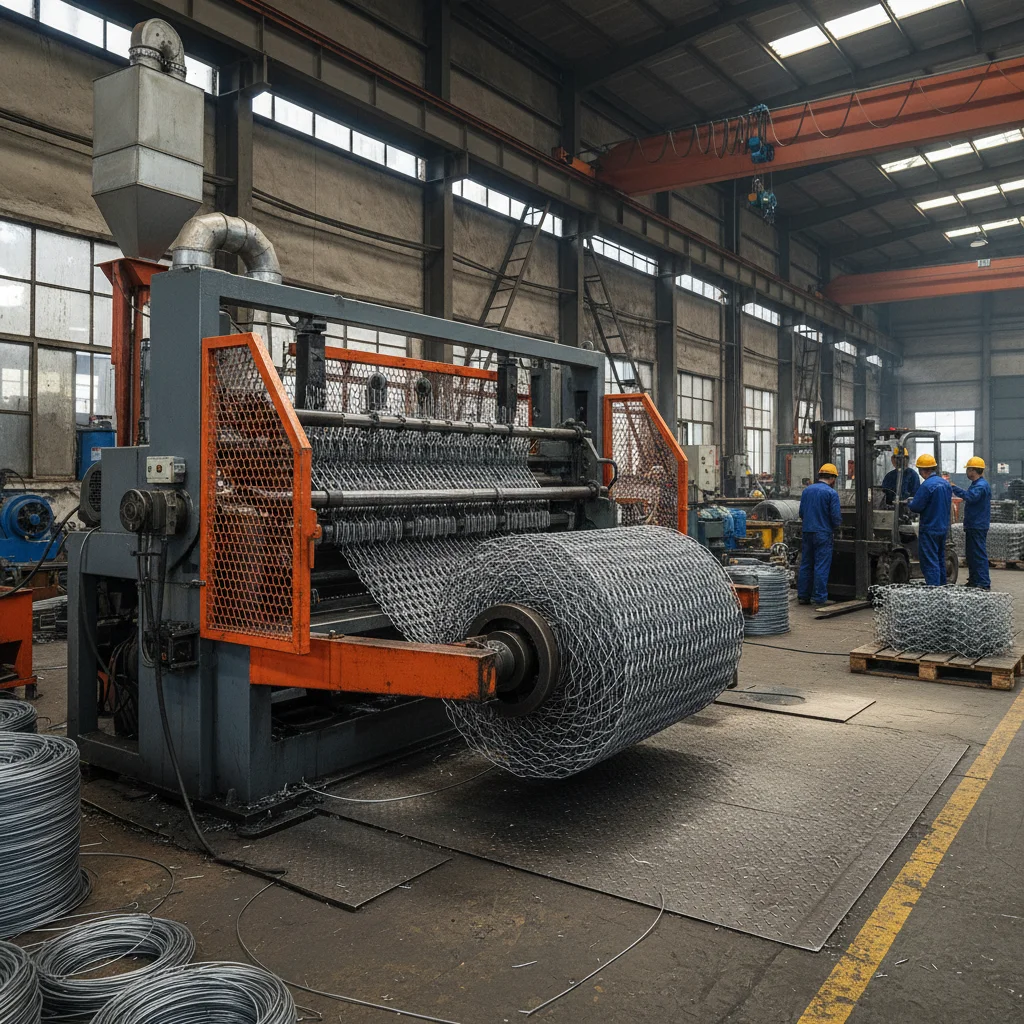
The process flow is actually pretty fascinating when you break it down. You start with raw steel wire rods, typically with diameters ranging from about 4 mm to 12 mm (real-world use may vary a bit). These rods pass through a series of drawing dies — hard metal frames that gradually reduce diameter and improve tensile strength through plastic deformation.
The machines pull the wire at speeds around 20–30 m/s (meters per second), sometimes even faster depending on the model and wire thickness. Between stages, the wire undergoes lubrication to reduce friction, which is critical because excessive heat or wear can compromise surface quality.
Finally, the wire is spooled onto reels and subjected to strict testing standards. Typically, a combination of tensile strength tests (usually meeting ISO 6892-1 or EN 10218 standards) and surface inspection ensures nothing slips through the cracks.
Typical Technical Specifications of a High Speed Automatic Steel Wire Drawing Machine | ||
Specification | Value | Notes |
Wire Diameter Range | ≈ 1.5 mm – 8 mm | Depending on model and die set |
Drawing Speed | 20 – 35 m/s | High-speed variants available |
Motor Power | ≈ 30 – 90 kW | Energy efficient models preferred |
Automation Level | Full automatic | Includes PLC control and feedback loops |
Service Life | ≈ 10 – 15 years | With proper maintenance |
Industries from automotive suspension springs to construction reinforcement wires rely heavily on these machines. Given the precision and speed, they’re also popular in producing wires for cables, fencing, and even specialty electrical components.
Interestingly, some custom orders include multi-stage drawing lines tailored to draw ultra-fine wires for electronics or medical instruments. Customization is definitely a strong point here, as manufacturers can tweak drawing speeds, lubrication types, and cooling methods — pretty handy for diverse industry needs.
Vendor Comparison Snapshot | ||||
Brand | Speed Range (m/s) | Automation | Customization | Certifications |
HTMesh Machines | 20 – 35 | Full automatic with PLC | High (die sets, control system) | ISO 9001, CE |
WireTech Solutions | 18 – 30 | Semi-automatic | Medium | ISO 9001 |
SteelPro Machinery | 15 – 25 | Manual & Semi-auto | Low to Medium | CE |
One customer, a European fencing manufacturer, reported a jump in productivity of roughly 25% after upgrading to the HTMesh high speed automatic steel wire drawing machine. They appreciated not only the higher output but also the consistent wire diameter within tight tolerances — which in their line of work, really cuts down on post-processing headaches.
Additionally, thanks to ISO and CE certifications, the buyer had peace of mind regarding compliance and durability. It seems that robust service support — including remote diagnostics — was a cherry on top.
To be honest, the high speed automatic steel wire drawing machine is an investment but also a long-term efficiency booster. The blend of automation, precise control, and energy savings offers real returns for manufacturers wanting to stay competitive.
If your volume requirements are on the rise or if you’re chasing tighter quality standards without ramping up manual labor, then it makes a lot of sense to explore these machines. Plus, customization options mean you’re not stuck with a one-size-fits-all solution.
Of course, like with any heavy equipment, you’ll want to check details like warranty terms, after-sales service, and actual performance data from existing users. But all in all, the direction is clear: automation and speed will be the future of wire drawing.
1. ISO 6892-1: Metallic materials – Tensile testing – Part 1: Method of test at room temperature, International Organization for Standardization.
2. EN 10218: Steel wire and wire products – Dimensional and mechanical properties requirements, European Committee for Standardization.
3. HTMesh Machines Product Brochure, 2023, https://www.htmeshmachines.com/product/high-speed-automatic-steel-wire-drawing-machine-product.html
4. Customer Case Study: HTMesh and FenceCo Europe, internal report 2023.