Hit enter to search or ESC to close


The Polyester Material Gabion Wire Mesh is a high-performance engineering solution designed for maximum durability in challenging environments. Unlike traditional metal cages, these PET-based gabions combine structural flexibility with extreme chemical resistance, making them ideal for erosion control, riverbank stabilization, and coastal protection where saltwater corrosion typically degrades standard iron wire.
Engineered for efficiency and ease of deployment, our polyester gabion boxes are supplied in a foldable format to significantly reduce transportation costs and logistical complexity. Once assembled on-site, they provide a robust, non-corrosive containment system that maintains its structural integrity even under significant deformation, ensuring long-term stability for critical infrastructure projects.
| Material Composition | High-Tenacity Polyester (PET) | Structural Design | Hexagonal Weave / Gabion Box |
|---|---|---|---|
| Corrosion Resistance | Excellent (Saltwater & Acid/Alkali) | Weathering Property | UV Resistant & Anti-Aging |
| Physical State | Foldable for Transport | Conductivity | Non-Conductive (Insulating) |
| Hygroscopicity | Non-Hygroscopic (Water Repellent) | Maintenance Level | Low Maintenance / Rust-Free |
| Mechanical Strength | High & Consistent Performance | Environmental Impact | Eco-Friendly Material |
Engineered to withstand seawater, acids, and alkalis, ensuring the mesh never rusts or degrades in harsh chemical environments.
Maintains consistent high strength over years, avoiding the gradual degradation typical of traditional iron wire mesh.
The seamless overall structure allows for wide deformation without collapse, providing excellent flexibility on uneven terrain.
Foldable design minimizes shipping volume and costs, allowing for rapid on-site assembly without specialized technology.
Specifically treated to resist UV radiation and extreme temperature fluctuations without fading or becoming brittle.
Advanced weaving ensures that the mesh does not unravel even if a single wire is accidentally cut or damaged.
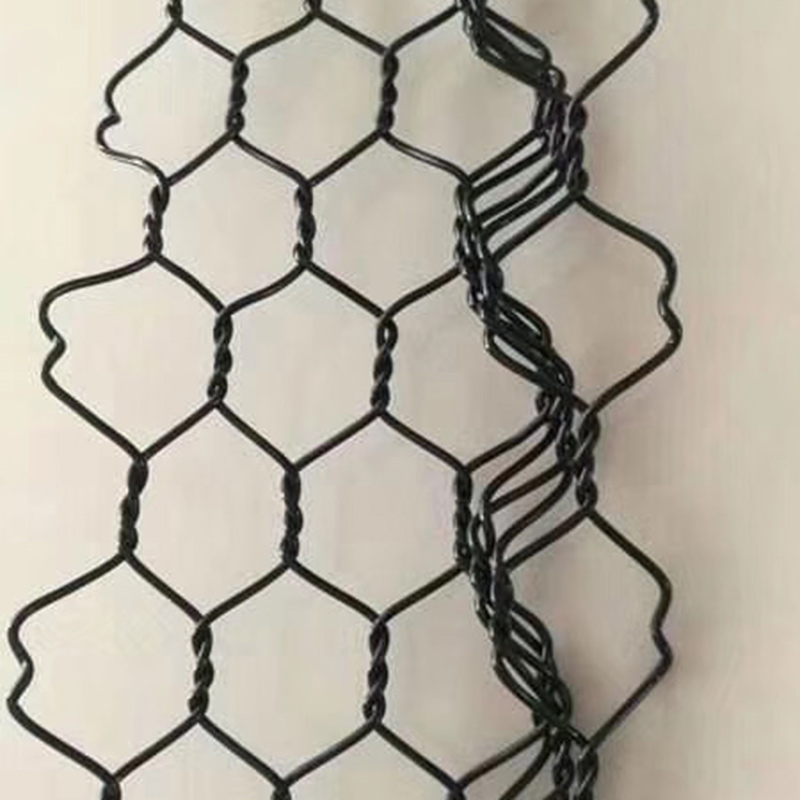
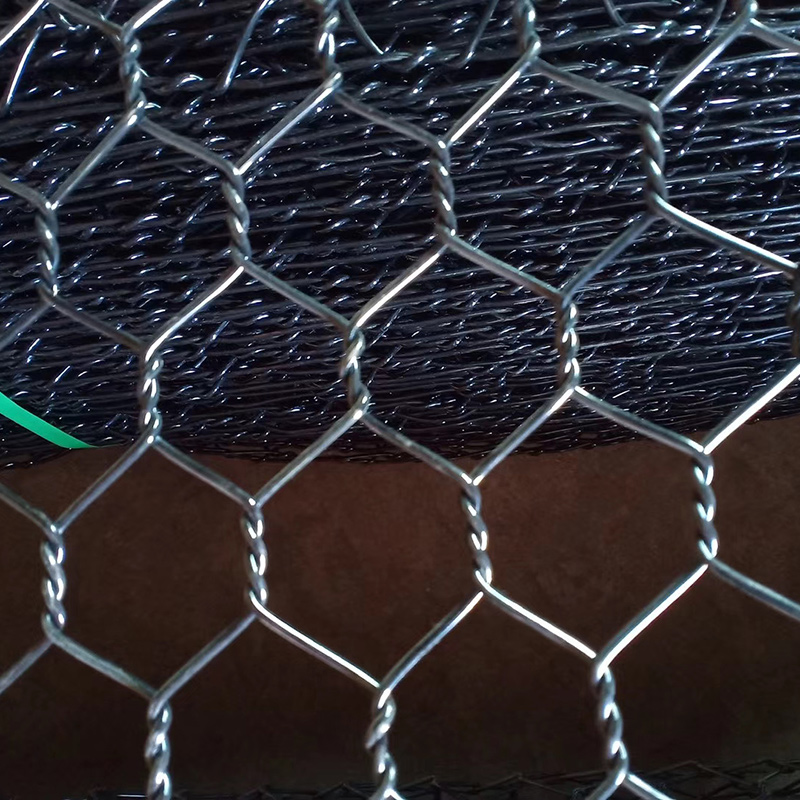
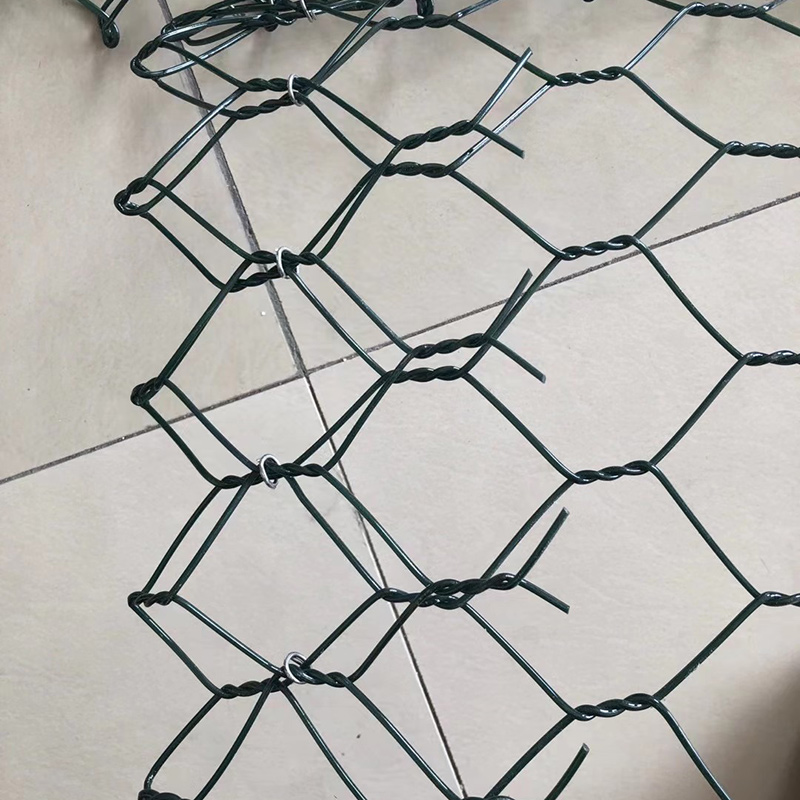
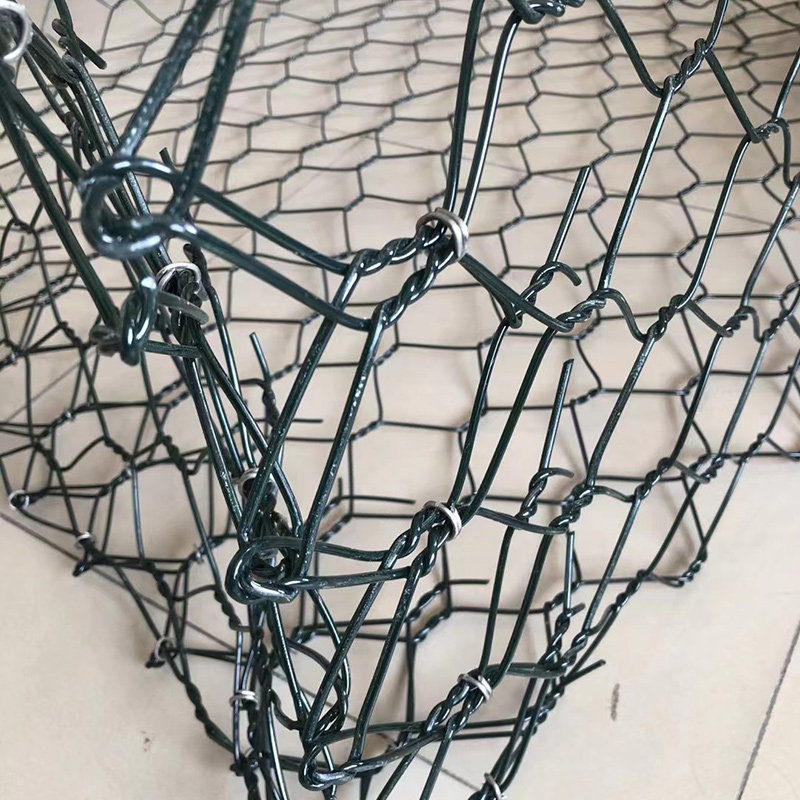
Foldable PET gabions reduce warehouse space requirements by up to 70% compared to pre-assembled cages.
Simple installation process requires no specialized technical skills, reducing labor costs on site.
Non-conductive properties eliminate electrical hazards in sensitive industrial or urban environments.
Consistent material strength ensures predictable performance across all project phases.
Streamlined transportation flow due to high compression ratios of polyester materials.
Zero-rust characteristics remove the need for periodic anti-corrosion treatments or replacements.
| Characteristic | PET Gabion Mesh | Iron Wire Gabion |
|---|---|---|
| Unit Weight | Lightweight (Low) | Heavy (High) |
| Strength Trend | Consistent High Strength | Decreases Year by Year |
| Corrosion Risk | Never Rusts | Prone to Rust/Oxidation |
| Environmental Resistance | Acid/Alkali Resistant | Perishable/Corrodible |
| Life Cycle Cost | Low (Long-term) | High (Frequent Replace) |
PET gabion mesh is significantly lighter, non-conductive, and entirely rust-proof. Unlike iron wire which degrades over time due to oxidation, PET maintains consistent strength and resists acid, alkali, and saltwater corrosion.
Yes, it is ideal for coastal projects. The polyester material is naturally resistant to seawater corrosion, making it more durable than galvanized or PVC-coated steel in saline environments.
Not at all. The foldable design is intended for transport efficiency. Once unfolded and filled with stone, the overall ductility and high-tenacity PET fibers provide robust containment and stability.
Our PET hexagonal wire mesh is engineered to be ravel-proof. Even if a single wire is cut, the surrounding weave remains intact, preventing the mesh from unraveling.
The material is treated with UV stabilizers during production, preventing the fibers from becoming brittle or losing strength when exposed to prolonged sunlight.
Yes, it is designed to be eco-friendly and chemically stable, ensuring that no harmful corrosive agents leak into the soil or water during its long service life.