Hit enter to search or ESC to close
Diamond mesh wire making machines are becoming increasingly vital in a world demanding robust, adaptable, and cost-effective solutions across diverse sectors. From secure perimeter fencing and animal enclosures to specialized industrial filtration and reinforcing materials, the demand for high-quality diamond mesh is consistently growing. Understanding the intricacies of these machines – their capabilities, applications, and future developments – is crucial for professionals in construction, agriculture, security, and manufacturing. This knowledge empowers informed decision-making and facilitates the efficient implementation of projects relying on this versatile material.
The global market for wire mesh, and specifically diamond mesh, is experiencing significant expansion, fueled by urbanization, infrastructure development, and increasing security concerns. According to recent reports, the wire mesh market is projected to reach [Insert relevant market data/statistic source: e.g., USD X billion by 2028, with a CAGR of Y%], demonstrating a strong upward trajectory. A key driver of this growth is the need for durable and reliable fencing solutions in both developed and developing nations. Furthermore, the rise in industrial automation and the demand for specialized filtration systems are boosting the demand for precision-engineered diamond mesh.
The increasing need for efficient and reliable fencing, reinforced structures, and specialized filtration creates a significant demand for optimized production processes. The diamond mesh wire making machine addresses this challenge by providing a scalable and automated solution for manufacturing high-quality mesh with consistent precision. This technology is pivotal in meeting growing global demands while minimizing production costs and maximizing efficiency.
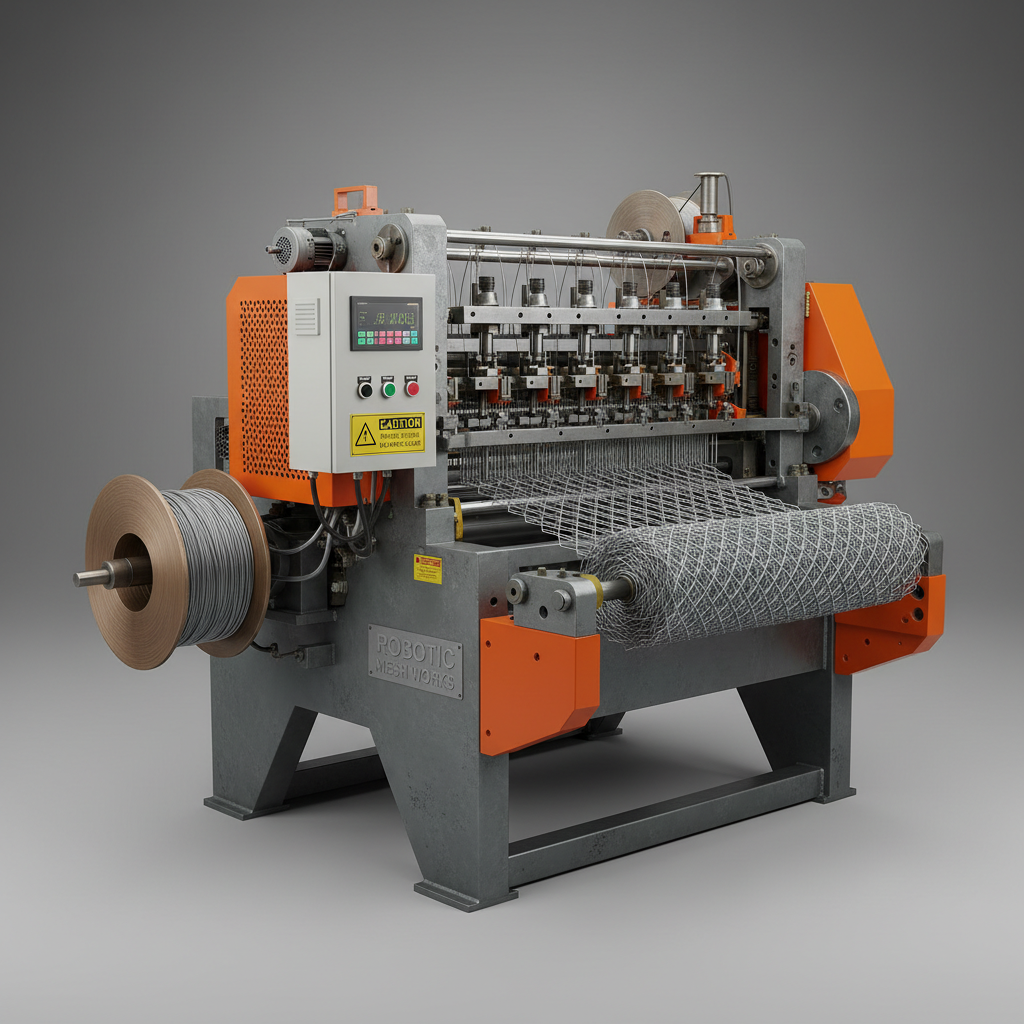
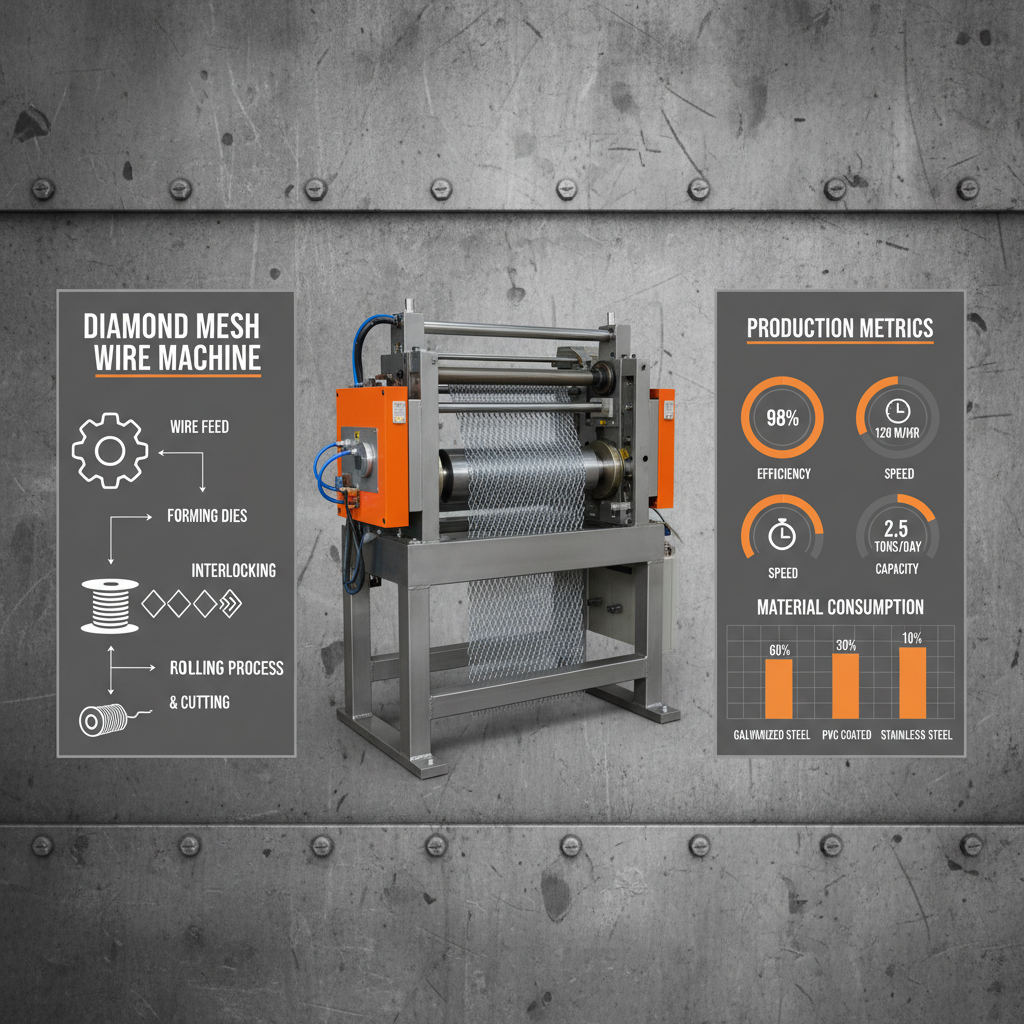
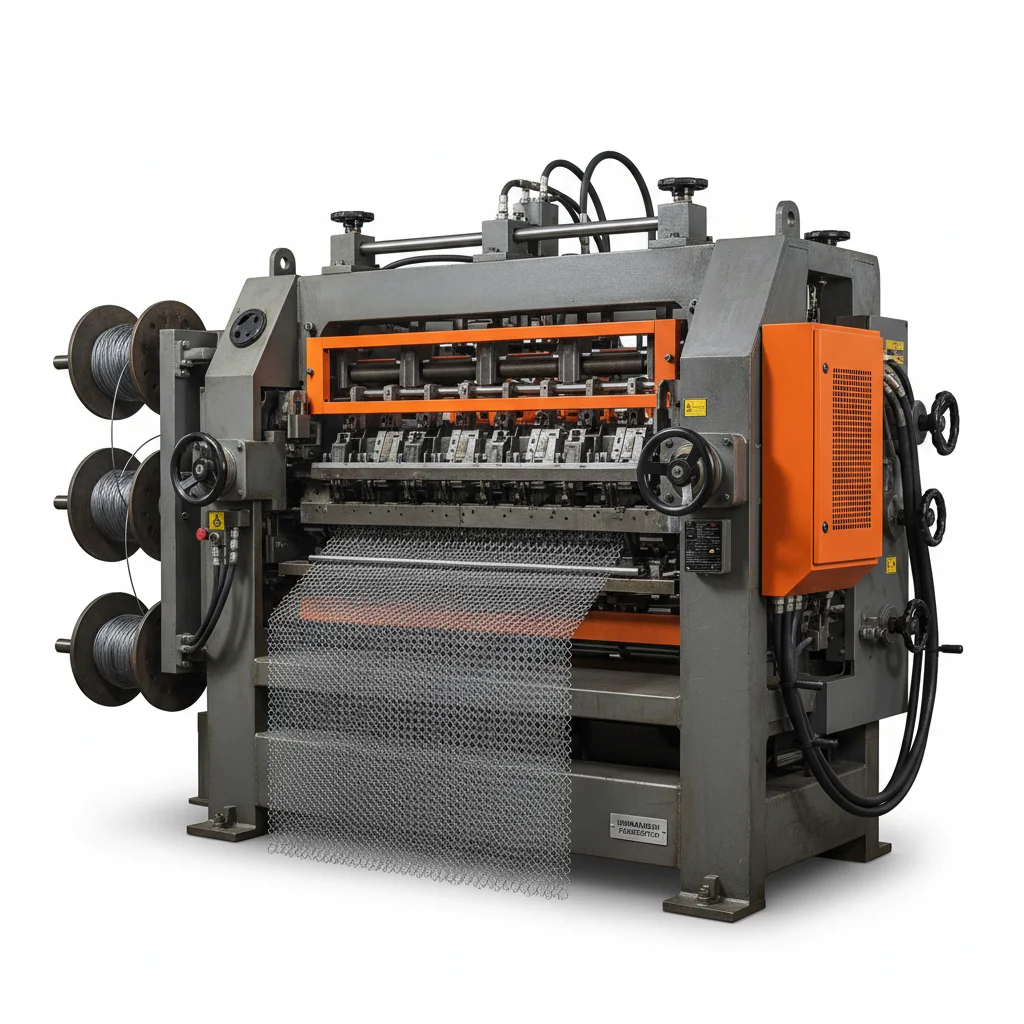
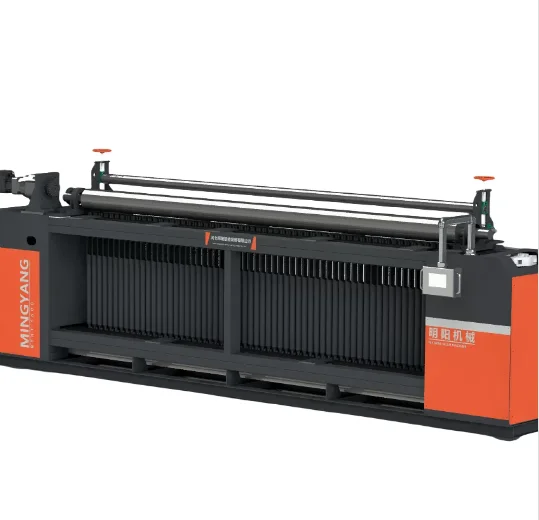
Modern diamond mesh wire making machines are sophisticated systems designed to automate the complex process of weaving wires into a durable, aesthetically pleasing, and structurally sound mesh. These machines utilize a combination of mechanical precision, computerized controls, and quality assurance systems to produce mesh with consistent aperture size, wire diameter, and overall structural integrity. Understanding the operational principles of these machines is crucial for maximizing their efficiency and minimizing waste.
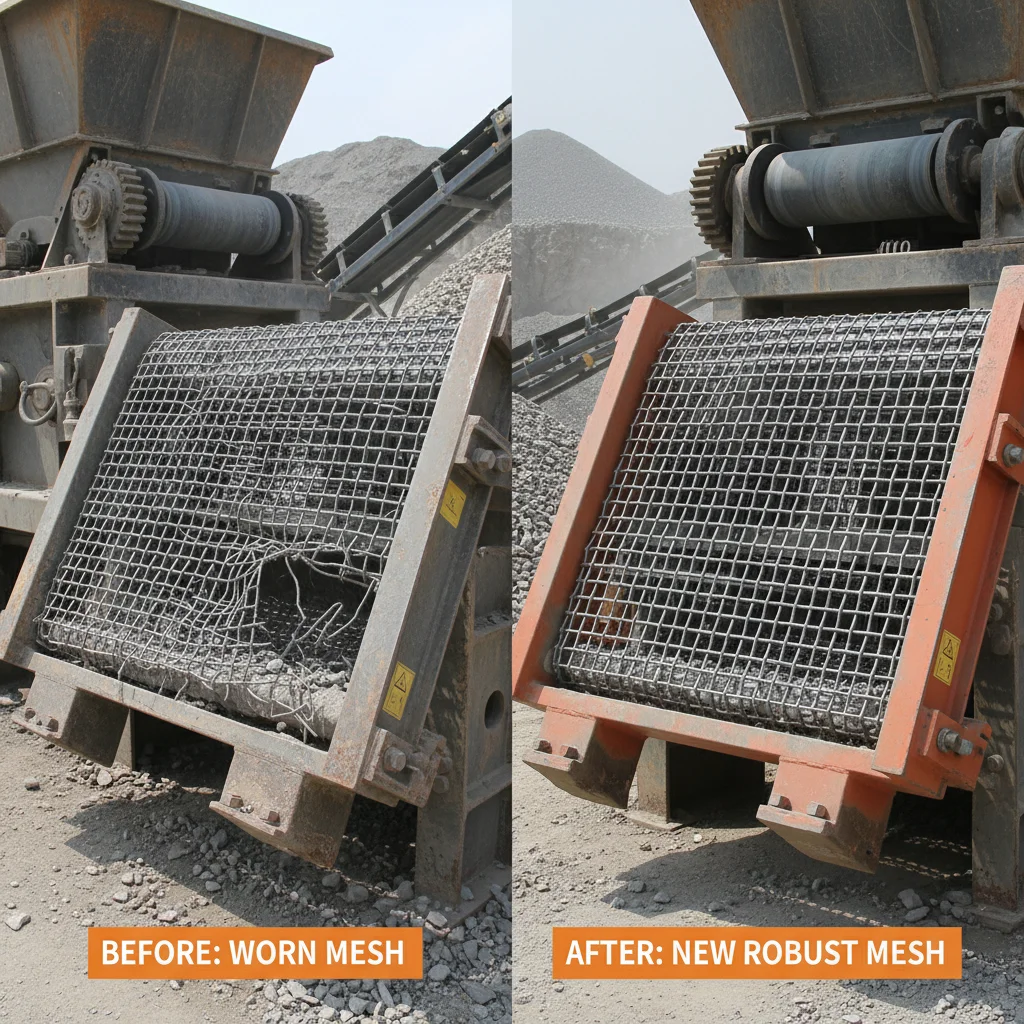
The ability to efficiently produce diamond mesh has profound implications for a wide range of industries. From agricultural fencing safeguarding crops and livestock, to high-security perimeter fences protecting critical infrastructure, the applications are vast and continually expanding. Furthermore, the increasing demand for specialty meshes in filtration, reinforcement, and even artistic installations underscores the importance of having access to reliable and high-performance diamond mesh wire making machinery.
The lifespan of a diamond mesh wire making machine typically ranges from 10 to 20 years, depending on factors like usage intensity, maintenance practices, and the quality of the machine’s components. Regular servicing, timely replacement of worn parts, and adherence to the manufacturer's guidelines are crucial for maximizing longevity and preventing premature failure. Investing in a high-quality machine from a reputable manufacturer is also essential.
Diamond mesh wire making machines are designed to accommodate a variety of wire types, including galvanized steel, stainless steel (various grades), aluminum, and even coated wires for specialized applications. The machine's settings can be adjusted to accommodate different wire diameters and tensile strengths. However, it’s vital to confirm compatibility with the manufacturer to ensure optimal performance and prevent damage.
The production speed of a diamond mesh wire making machine varies significantly depending on the machine model, wire diameter, mesh aperture, and operator skill. Generally, a modern machine can produce between 1000 and 3000 meters of mesh per day. Higher-end models with advanced automation features can achieve even greater throughput. It’s important to consider production speed in relation to quality and consistency.
Regular maintenance is crucial for ensuring the reliable operation of a diamond mesh wire making machine. This includes lubricating moving parts, inspecting and replacing worn rollers and shuttles, checking wire tension, and cleaning the machine to remove debris. Preventive maintenance schedules, as outlined by the manufacturer, should be strictly adhered to. Regular calibration of control systems is also recommended.
Modern diamond mesh wire making machines are equipped with a range of safety features to protect operators. These include emergency stop buttons, safety guards around moving parts, overload protection systems, and interlocks that prevent operation when safety covers are removed. Comprehensive operator training on safe operating procedures is also essential for minimizing risks.
Power consumption varies based on the machine's size and capacity. Smaller models typically require between 5 to 10 kilowatts, while larger, high-production machines can consume 15 to 25 kilowatts or more. Energy-efficient designs and the use of variable frequency drives (VFDs) can help reduce power consumption and lower operating costs. Consider the electricity supply capacity when choosing a machine.
In conclusion, the diamond mesh wire making machine represents a significant advancement in materials manufacturing, offering unparalleled efficiency, consistency, and scalability. Its applications span diverse industries, providing robust solutions for security, agriculture, construction, and beyond. Understanding the key components, operational factors, and future trends associated with these machines is essential for maximizing their potential and driving innovation in related fields.
Looking ahead, continued advancements in automation, materials science, and sustainable manufacturing practices will further enhance the capabilities and value of diamond mesh wire making technology. By embracing these innovations and investing in high-quality machinery, businesses can position themselves for long-term success in a rapidly evolving global market. Visit our website at www.htmeshmachines.com to learn more about our comprehensive range of diamond mesh wire making solutions.