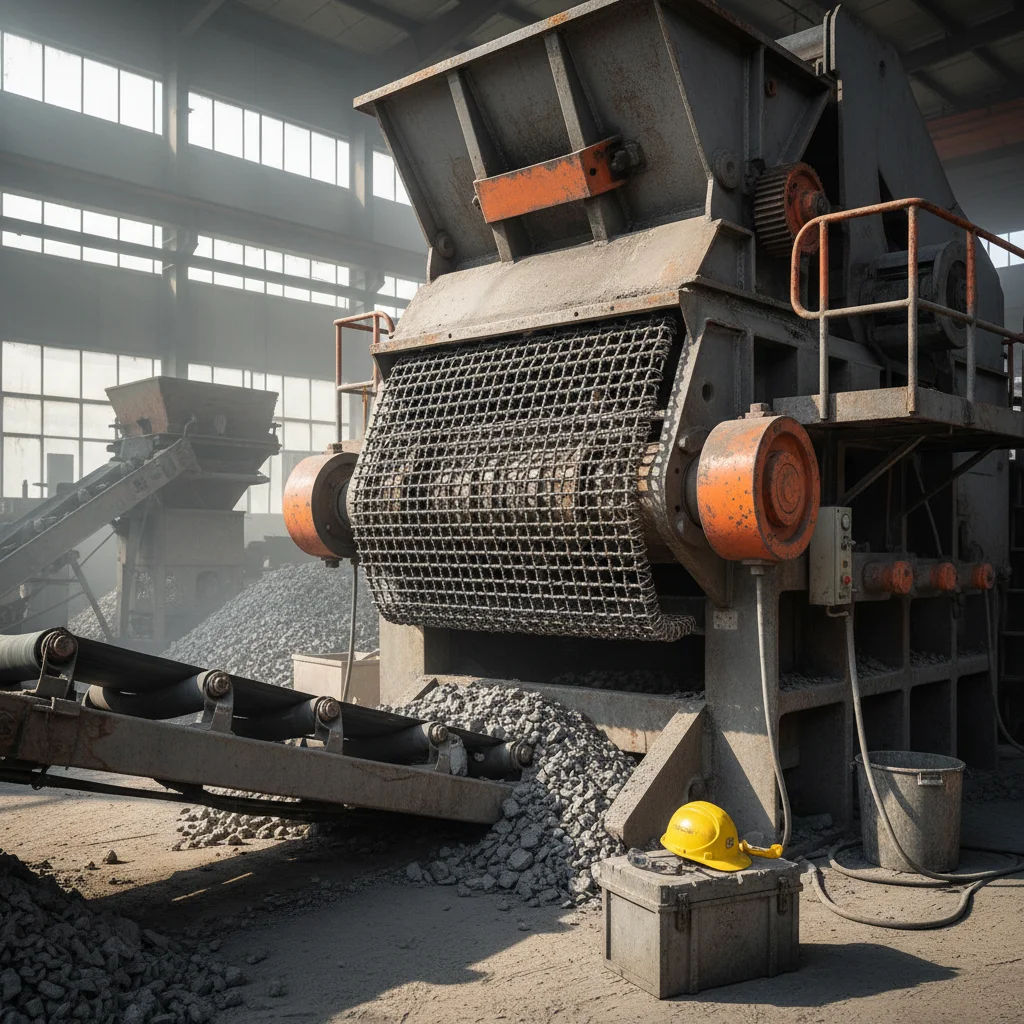
The global demand for versatile fencing and containment solutions has led to a significant surge in the adoption of the hexagonal wire mesh machine. These specialized machines are engineered to produce the distinct honeycomb pattern known for its structural stability and flexibility, making it indispensable across various industrial and agricultural sectors worldwide.
Understanding the technical nuances of a hexagonal wire mesh machine is crucial for manufacturers aiming to optimize production efficiency and reduce overhead costs. By integrating modern PLC controls and innovative horizontal structures, today's equipment can handle a diverse range of wire diameters and mesh sizes, ensuring that the final product meets rigorous international quality standards.
From securing livestock and protecting pipeline insulation to creating intricate floral decorations, the applications of mesh produced by a hexagonal wire mesh machine are nearly limitless. This article explores the technical advantages, global applications, and future trends of this essential piece of machinery in the specialized equipment manufacturing industry.

Technical Specifications of Hexagonal Wire Mesh Machine
The precision of a hexagonal wire mesh machine is defined by its ability to handle a wide spectrum of mesh sizes and wire diameters. Current industry standards allow for mesh sizes ranging from a minimum of 10mm up to 55mm, with wire diameters accommodating everything from 0.38mm for fine decorative mesh to 1.5mm for heavy-duty industrial fencing.
Furthermore, the machinery is designed with a robust motor capacity, ranging from 3KW to 5KW depending on the twist requirements and wire thickness. This ensures that whether the user is producing small-scale poultry mesh or large-scale agricultural barriers, the machine maintains consistent tension and weave integrity.
Core Operational Advantages of Modern Mesh Equipment
One of the most significant breakthroughs in the hexagonal wire mesh machine is the implementation of a new positive twisted design. This innovation allows for the production of exceptionally small mesh sizes, starting at 10mm, which opens up new market opportunities in specialized sectors like pipeline insulation and floral arrangements.
The transition to a horizontal structure has fundamentally changed the stability of the weaving process. Unlike older vertical models, the horizontal alignment reduces vibration and mechanical stress, resulting in a smoother run and a higher quality of the finished hexagonal weave, reducing the rate of defects.
Operational simplicity is further enhanced through PLC (Programmable Logic Controller) integration. By simplifying the control interface, the complexity of managing the hexagonal wire mesh machine is drastically reduced, allowing as few as two operators to manage the entire production line, thereby slashing long-term labor expenses.
Material Compatibility and Versatility
A high-performance hexagonal wire mesh machine is not limited to a single material. It is engineered to weave both galvanized iron wire and plastic-coated wire, providing manufacturers with the flexibility to produce products that are either purely structural or highly resistant to corrosion in harsh environments.
The versatility extends to the end-use of the product; the mesh generated by the hexagonal wire mesh machine is widely utilized for breeding cages, wedding flower arrangements, and industrial fencing, demonstrating a unique blend of strength and aesthetic adaptability.
By supporting customized types and incorporating auxiliary equipment like Spring Winding and Spool Winding machines, the hexagonal wire mesh machine ecosystem allows for full-cycle production, from raw wire processing to the final packaged roll.
Impact of Automation on Production Efficiency
The integration of automation within the hexagonal wire mesh machine has led to a marked increase in output per hour. By minimizing manual intervention in the twisting and winding phases, the machine can operate at higher speeds without compromising the precision of the hexagonal geometry.
This technological shift not only boosts volume but also optimizes resource utilization. The reduced footprint of modern automated machines allows factories to maximize their floor space, while the optimized power draw significantly lowers electricity consumption per meter of mesh produced.
Efficiency Comparison of Hexagonal Wire Mesh Machine Models
Global Industrial Applications and Use Cases
Across the globe, the products of the hexagonal wire mesh machine serve critical roles. In agricultural hubs throughout Southeast Asia and Africa, these machines produce the essential fencing required for livestock containment and crop protection, where affordability and durability are paramount.
In more developed industrial zones, the application shifts toward specialized infrastructure. For instance, the small-mesh variants are utilized for pipeline insulation, providing a stable support structure for thermal materials, while the coated wire versions are used in coastal regions to prevent saltwater corrosion in security fencing.
Sustainability and Cost Reduction Strategies
Sustainability in the manufacturing of wire mesh is achieved through the reduction of waste and energy. The modern hexagonal wire mesh machine is designed to minimize wire scrap during the startup and shutdown phases, ensuring that raw materials are utilized to their maximum potential.
Moreover, the reduction in machine volume and footprint means that less energy is required for facility heating, cooling, and lighting. This "compact design" philosophy directly translates to lower operational costs for the factory owner and a smaller carbon footprint for the industry.
By reducing the labor requirement to just two skilled operators via PLC systems, companies can reinvest saved wages into higher-quality raw materials, such as premium galvanized coatings, which extends the lifecycle of the end product and reduces the frequency of replacements.
Future Innovations in Wire Weaving Technology
The trajectory of the hexagonal wire mesh machine is moving toward full digitalization. Future iterations are expected to incorporate IoT (Internet of Things) sensors that can predict mechanical wear and tear, allowing for predictive maintenance that eliminates unplanned downtime.
We are also seeing a shift toward "smart materials." As new alloys and polymers are developed, machines are being adapted to handle wires with higher tensile strength but lower weight, allowing for the production of ultra-lightweight yet indestructible hexagonal barriers.
Finally, the integration of AI-driven quality control will likely replace manual inspection. High-speed cameras coupled with machine learning will be able to detect a single misplaced twist in real-time, automatically adjusting the hexagonal wire mesh machine to correct the error without stopping production.
Comparison of Production Parameters for Different Mesh Sizes
| Mesh Size (mm) |
Wire Diameter (mm) |
Motor Power (KW) |
Application Focus |
| 10mm |
0.38-0.5 |
3 |
Insulation & Decoration |
| 25mm |
0.38-0.9 |
3 |
Poultry & Small Animal |
| 33mm |
0.38-1.2 |
4 |
General Fencing |
| 44mm |
0.4-1.5 |
4 |
Agricultural Barriers |
| 55mm |
0.5-1.5 |
5 |
Industrial Enclosures |
| Custom |
Variable |
3-5 |
Specialized Projects |
FAQS
Our latest positive twisted design allows the hexagonal wire mesh machine to produce a minimum mesh size of 10mm. This is particularly useful for specialized applications such as pipeline insulation, breeding, and floral decorations where a finer weave is required.
Yes, the hexagonal wire mesh machine is engineered to weave both galvanized iron wire and PVC-coated wire. This versatility ensures that you can produce mesh that is highly resistant to weather and corrosion for outdoor use.
Thanks to the integration of PLC equipment, the operation of the hexagonal wire mesh machine is greatly simplified. Only two people are typically required to operate the machine, which significantly reduces long-term labor costs for the manufacturer.
The horizontal structure of the hexagonal wire mesh machine ensures that the equipment runs more smoothly with less vibration. This leads to a more consistent weave and reduces the mechanical wear and tear on the machine's internal components.
Depending on the required mesh size and wire diameter, the hexagonal wire mesh machine uses motors ranging from 3KW to 5KW. This ensures sufficient torque for twisting heavier wire diameters up to 1.5mm.
Yes, our hexagonal wire mesh machine can manufacture customized types of mesh to meet specific client requirements, provided the wire diameter and mesh size fall within the machine's technical capabilities.
Conclusion
The hexagonal wire mesh machine represents a critical intersection of traditional metallurgy and modern automation. By leveraging PLC controls, a stable horizontal design, and a broad range of material compatibility, these machines empower manufacturers to produce high-quality hexagonal mesh that serves essential roles in agriculture, industry, and art. The ability to scale from a 10mm fine mesh to a 55mm heavy-duty fence ensures a competitive edge in an ever-changing global market.
Looking forward, the industry will continue to evolve toward smarter, more energy-efficient production. For businesses seeking to modernize their production lines, investing in a high-efficiency hexagonal wire mesh machine is not just an upgrade in equipment, but a strategic move toward sustainability and cost-leadership. We invite you to explore our full range of professional weaving solutions. Visit our website: www.htmeshmachines.com