The global demand for erosion control and structural reinforcement has surged, placing a significant emphasis on the efficiency of gabion production. A high-performance gabion wire mesh machine is essential for creating the durable, stone-filled cages used in riverbank stabilization, retaining walls, and coastal protection. By automating the complex weaving process, these machines ensure that the resulting mesh can withstand extreme environmental pressures while maintaining structural integrity.
In the modern industrial landscape, the transition from manual or semi-automatic weaving to fully automated systems has revolutionized the output quality of wire products. A professional gabion wire mesh machine allows manufacturers to maintain precise mesh sizes and wire diameters, which are critical for meeting international civil engineering standards. This precision reduces material waste and significantly lowers the labor cost associated with traditional mesh production.
Whether you are scaling up a local manufacturing plant or supplying large-scale infrastructure projects, investing in a reliable gabion wire mesh machine ensures consistency and scalability. From the integration of PLC controls to the use of high-torque servo motors, today's equipment is designed to handle heavy-duty wire diameters, providing the robustness required for the most demanding geological applications.

Technical Engineering of the Gabion Wire Mesh Machine
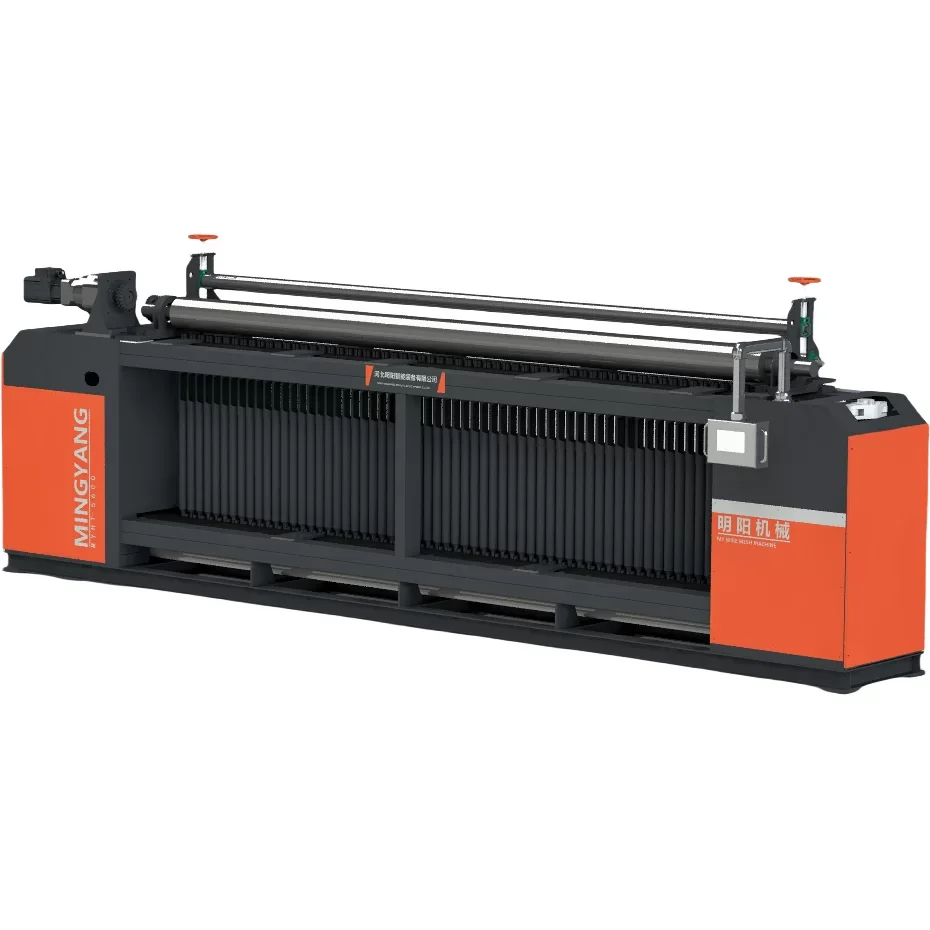
The engineering behind a heavy-type gabion wire mesh machine focuses on stability and precision. Featuring a patented integrated double rack design, these machines occupy significantly less space during rack movement while offering a more streamlined and safer structure. The dual-rack system, where both the front and rear racks are powered, ensures that the tension remains consistent throughout the weaving process, preventing deformations in the mesh.
Furthermore, the mechanical robustness is evidenced by the main engine weight, often exceeding 18 tons, which minimizes vibration during high-speed operation. This heavy-duty construction is paired with a timed circulation lubrication system. By utilizing fully enclosed lubricating oil tanks on both sides, the machine prevents dust and impurities from entering the operating mechanism, thereby extending the lifespan of the core components.
Core Components and Servo Drive Integration
A critical advancement in the modern gabion wire mesh machine is the total adoption of servo motors as the primary power sources. Unlike traditional gear-driven systems, servo motors allow for pinpoint accuracy in movement and easier debugging. This enables the operator to adjust the equipment in any operating state at any position, ensuring that the weaving pattern remains perfect regardless of the wire thickness.
The integration of these motors eliminates the need for cumbersome electronic cam programming. Instead, the system achieves an arbitrary switching between intermittent rotation and continuous rotation of the thorn shaft. This flexibility allows the machine to adapt to various weaving requirements without requiring a complete mechanical teardown, drastically reducing downtime during product changeovers.
By focusing on self-processed core components, manufacturers can ensure quality control at the source. The synergy between the high-torque servo drives and the reinforced mechanical structure results in higher machining accuracy and faster weaving speeds, making the production of heavy-duty gabions more economically viable for large-scale industrial operations.
Advanced PLC Control and Flexibility
The brain of the contemporary gabion wire mesh machine is the Programmable Logic Controller (PLC), which manages the intricate timing of the weaving cycle. This digital control system allows for the seamless adjustment of technical parameters, such as mesh width and wire diameter, which can be customized to meet specific project requirements.
One of the most significant advantages of the PLC-equipped gabion wire mesh machine is the "one-key" switching capability. The PLC stores dual twist data, allowing operators to switch between three, five, and seven twists instantly. This versatility is essential for producing different grades of gabion baskets, ranging from lightweight decorative cages to heavy-duty industrial retaining structures.
Beyond simple switching, the PLC system monitors the machine's health and performance in real-time. By automating the data input for mesh sizes (such as 5070mm, 6080mm, or 80100mm), the machine eliminates human error in the setup phase, ensuring that every meter of mesh produced adheres strictly to the technical specifications.
Production Efficiency and Capacity Analysis
Evaluating the efficiency of a gabion wire mesh machine requires looking at the relationship between weaving speed and the diameter of the wire used. With the ability to handle wire diameters from 2.0mm to 4.0mm, these machines are designed for the "heavy type" category, meaning they can produce high-strength mesh that is required for major infrastructure projects without sacrificing speed.
The combination of the double-rack power system and the servo-driven mechanism allows for a steady increase in output. When compared to older, single-rack machines, the dual-powered approach reduces the mechanical stress on a single point, allowing the machine to run at higher RPMs while maintaining a lower failure rate.
Production Performance Comparison by Machine Setup
Global Applications in Civil Engineering
The output from a high-quality gabion wire mesh machine is utilized globally for critical environmental protection. In regions prone to heavy rainfall and flash floods, these machines produce the mesh used for riverbank armor and flood defense systems. The ability to customize mesh sizes to 80100mm allows engineers to fill the baskets with larger stones, providing the mass necessary to resist high-velocity water currents.
Additionally, the construction industry employs these wire mesh products for gravity retaining walls in mountainous terrains. Because the machine can handle wire diameters up to 4.0mm, the resulting baskets are strong enough to hold tons of rock, preventing landslides and securing road foundations in remote industrial zones and post-disaster relief operations where traditional concrete pouring is impractical.
Long-term Value and Maintenance Benefits
Investing in a professional gabion wire mesh machine provides long-term financial value through reduced operational costs. The timed circulation lubrication system is a primary driver of this value; by automating the oiling process and shielding the mechanism from dust, the machine requires far fewer manual interventions and suffers fewer unexpected breakdowns compared to open-lubrication models.
Moreover, the use of servo motors significantly lowers the energy footprint per unit of mesh produced. Because the motors only consume the power necessary for the specific movement required, there is less energy wasted as heat. This efficiency, combined with the durability of the 18-ton frame, ensures that the equipment remains a productive asset for decades.
The reliability of the dual-rack design also means that the machine can be operated with minimal specialized training after the initial setup. The PLC's intuitive interface allows operators to manage complex changes in twist and mesh width without needing a master engineer on-site, further reducing long-term labor overhead.
Comparative Analysis of Gabion Mesh Specifications
Selecting the right configuration for a gabion wire mesh machine depends heavily on the intended application. For instance, a mesh size of 5070mm is often ideal for smaller, decorative gabion walls or lightweight erosion control, whereas 80100mm is the industry standard for heavy-duty dam and levee reinforcement.
The number of twists (3, 5, or 7) directly impacts the strength of the weave. A seven-twist configuration provides the highest level of structural rigidity, which is essential when the gabions are stacked multiple layers high. The PLC's ability to switch these twists with one key allows a single machine to serve multiple market segments.
Finally, the wire diameter choice (2.0mm to 4.0mm) determines the load-bearing capacity of the final product. By utilizing a machine that can handle the full spectrum of these diameters, manufacturers can pivot their production based on the specific safety factors required by civil engineering contracts.
Technical Specification Comparison for Heavy-Type Gabion Production
| Mesh Dimension |
Wire Diameter Range |
Twist Options |
Primary Application |
| 5070 mm |
2.0 - 2.5 mm |
3 / 5 Twists |
Decorative Walls |
| 6080 mm |
2.5 - 3.0 mm |
5 / 7 Twists |
Riverbank Armor |
| 7090 mm |
3.0 - 3.5 mm |
5 / 7 Twists |
Erosion Control |
| 80100 mm |
3.5 - 4.0 mm |
7 Twists |
Heavy Retaining Walls |
| Custom Width |
2.0 - 4.0 mm |
3 / 5 / 7 Twists |
Custom Infrastructure |
| Industrial Grade |
4.0 mm Max |
7 Twists |
Dam Construction |
FAQS
A PLC-controlled system allows for high precision and extreme flexibility. The primary benefit is the ability to switch between three, five, and seven twists with a single key press, eliminating the need for manual mechanical adjustments. It also ensures consistent mesh sizes and allows for easier debugging and faster setup times, which significantly increases overall production uptime.
Yes, the heavy-type gabion wire mesh machine is designed to handle a wide range of wire diameters, typically from 2.0mm to 4.0mm. This range allows manufacturers to produce everything from light-duty cages for landscaping to heavy-duty structural baskets for civil engineering projects like levee reinforcement or retaining walls.
The front and rear dual rack design, where both racks are powered, ensures that the tension of the wire is evenly distributed across the weaving area. This prevents the mesh from sagging or twisting, resulting in higher machining accuracy and a more stable structure that meets strict industrial standards for load-bearing gabions.
The machine utilizes fully enclosed lubricating oil tanks and a timed circulation method. Maintenance is minimal, primarily involving the periodic checking of oil levels and replacing filters. This system is specifically designed to prevent dust and impurities from entering the mechanism, which drastically reduces the wear and tear on moving parts.
Absolutely. While standard widths are available, the machine is designed to be customizable. The PLC system and the flexible rack structure allow for adjustments in mesh width to meet the exact specifications of a client, making it an ideal solution for specialized infrastructure contracts.
Servo motors provide superior control over position, speed, and acceleration. In a gabion wire mesh machine, this translates to easier debugging and the ability to adjust the equipment's operation in real-time. They are more energy-efficient and allow for the complex, intermittent rotation movements of the thorn shaft without requiring cumbersome cam programming.
Conclusion
The integration of PLC controls, servo-drive systems, and a reinforced dual-rack design has transformed the gabion wire mesh machine into a powerhouse of industrial efficiency. By prioritizing mechanical stability and digital precision, manufacturers can now produce high-strength, consistent wire mesh that meets the rigorous demands of global civil engineering and environmental protection projects. The combination of reduced maintenance via timed lubrication and the flexibility to switch twist specifications ensures a high return on investment.
As infrastructure projects continue to shift toward more sustainable and flexible erosion control solutions, the role of high-precision machinery becomes even more critical. For those looking to enhance their production capacity and ensure the highest quality of gabion products, upgrading to a heavy-duty automated system is the most viable path forward. Visit our website to learn more about our professional solutions: www.htmeshmachines.com