Hit enter to search or ESC to close
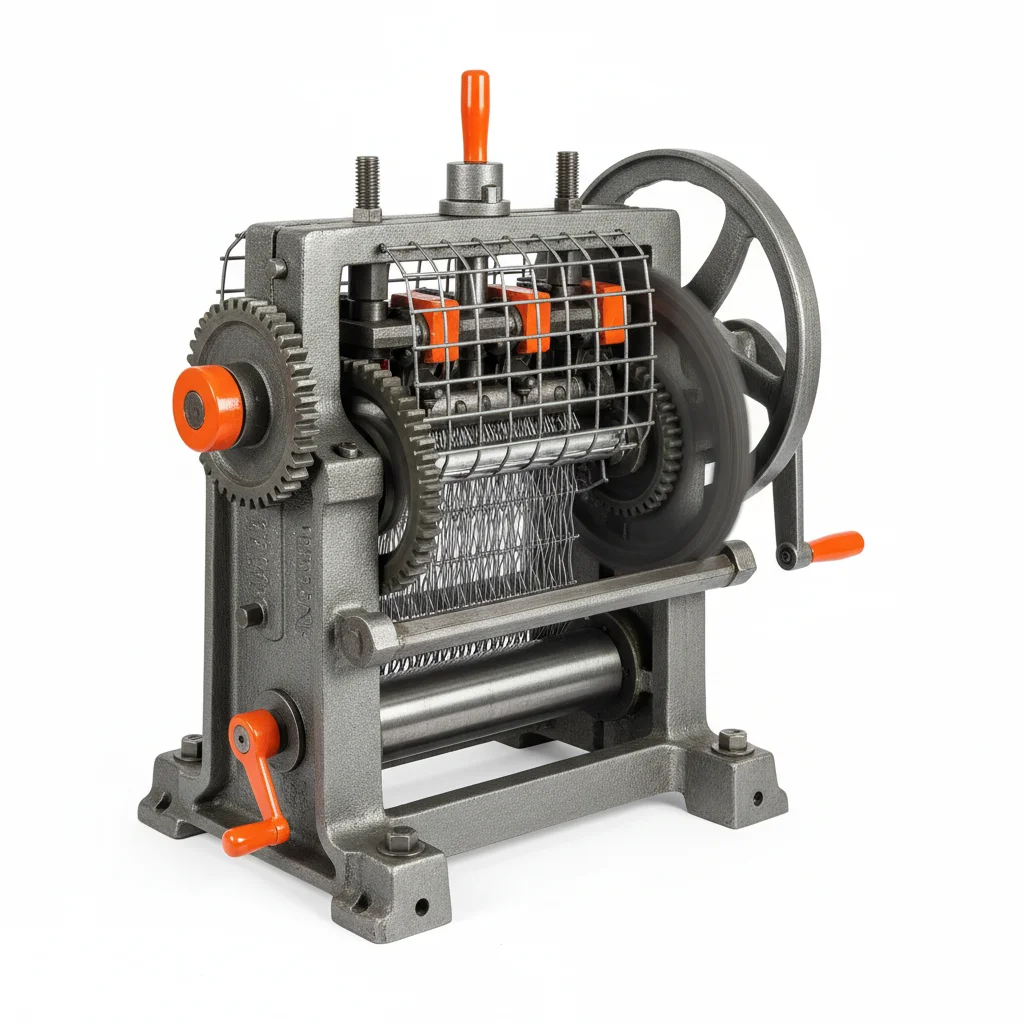
The global demand for secure fencing and erosion control has propelled the hexagonal wire mesh machine into a critical role within the industrial manufacturing sector. By automating the complex process of twisting and weaving galvanized wires into a stable honeycomb structure, these machines enable the mass production of chicken wire and gabion mesh used in everything from agriculture to civil engineering.
Understanding the operational efficiency and technical specifications of a modern hexagonal wire mesh machine is essential for manufacturers aiming to reduce labor costs and increase output consistency. As infrastructure projects scale globally, the ability to produce high-tensile, corrosion-resistant mesh rapidly determines a company's competitiveness in the international market.
This comprehensive guide explores the intricate mechanics, diverse applications, and future technological trajectories of the hexagonal wire mesh machine, providing professional insights for engineers and business owners looking to optimize their wire weaving production lines.
In the current global economic landscape, the hexagonal wire mesh machine serves as a cornerstone for the construction and agricultural sectors. With rapid urbanization in Southeast Asia and Africa, the demand for affordable, durable fencing and soil stabilization materials has surged, making the automated production of hexagonal mesh a high-priority industrial objective.
According to industry trends aligned with ISO quality standards, the transition from manual weaving to high-speed automated machinery has increased production yields by over 400%. This shift addresses the critical challenge of labor shortages and the need for standardized mesh aperture sizes, which are vital for maintaining the structural integrity of gabion walls and livestock enclosures.
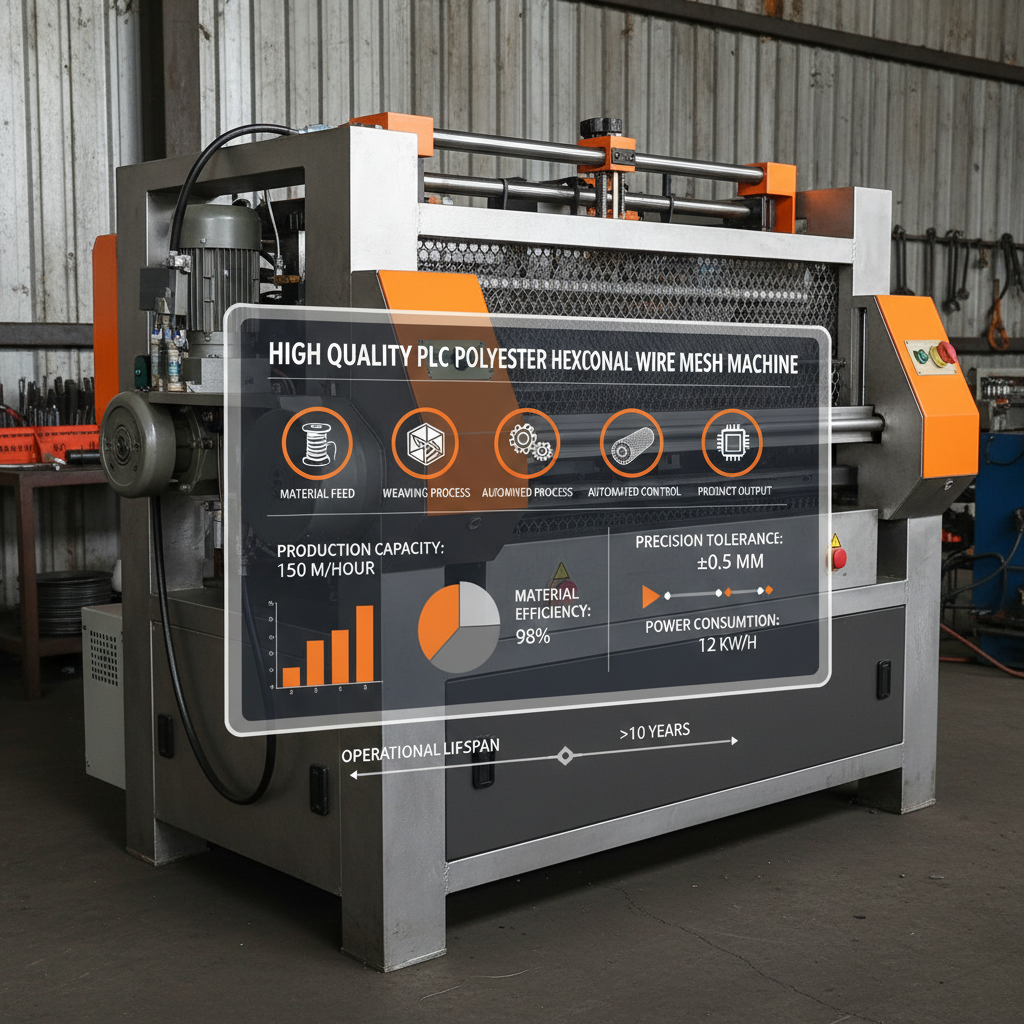
A hexagonal wire mesh machine is a specialized piece of industrial equipment designed to twist and weave metal wire into a consistent hexagonal (honeycomb) pattern. Unlike square mesh, the hexagonal structure offers unique flexibility and strength-to-weight ratios, allowing the mesh to conform to irregular surfaces while maintaining high tensile resistance.
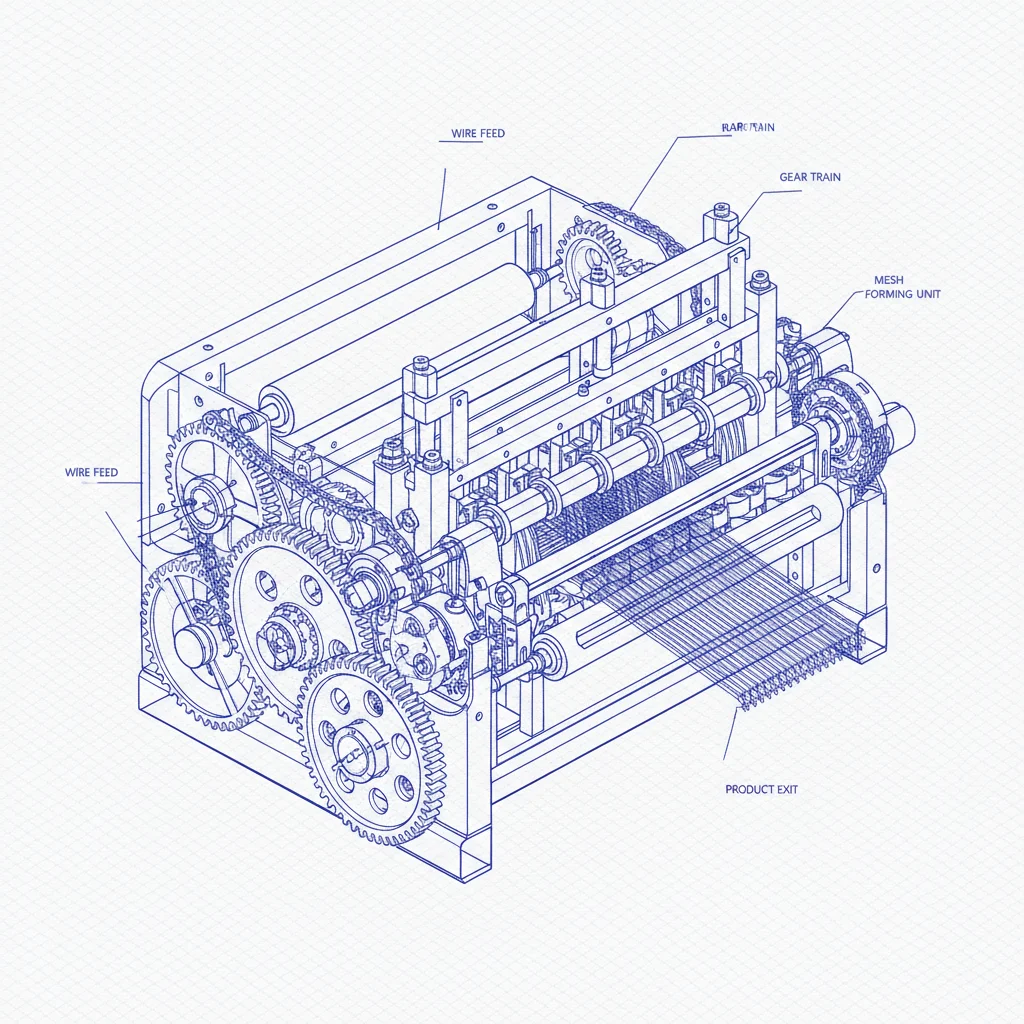
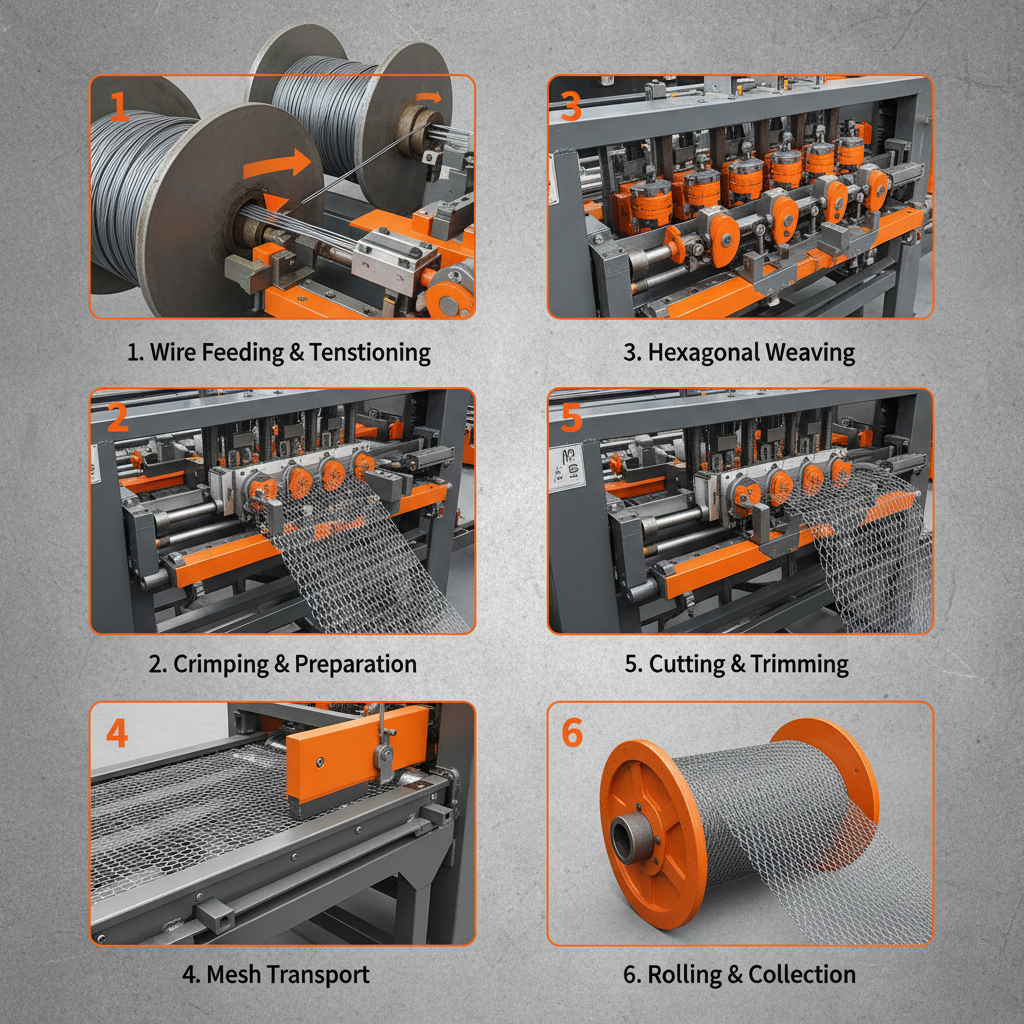
At its core, the machine operates by feeding galvanized or stainless steel wire through a series of twisting heads and forming rollers. This mechanical process ensures that each wire intersection is locked tightly, preventing the mesh from unraveling even under significant external pressure, which is a requirement for heavy-duty industrial applications.
Beyond commercial profit, these machines support humanitarian needs by providing the means to create low-cost erosion control barriers in flood-prone regions. By enabling the local production of hexagonal mesh, developing nations can protect their coastlines and riverbanks using sustainable, locally manufactured gabion solutions.
The durability of a hexagonal wire mesh machine depends heavily on the quality of its transmission system and twisting heads. High-grade alloy steel is typically used for the weaving components to resist wear and tear during 24/7 operation, ensuring that the mesh aperture remains precise over thousands of meters of production.
Scalability is achieved through adjustable gear ratios and interchangeable rollers. A versatile hexagonal wire mesh machine allows operators to switch between different mesh sizes—ranging from small-aperture poultry netting to large-scale gabion mesh—with minimal downtime, maximizing the machine's return on investment.
Cost efficiency is further enhanced by integrating automatic tension control systems. By maintaining a constant pull on the wire, the hexagonal wire mesh machine prevents deformations and material waste, ensuring that the final product meets strict international quality certifications for tensile strength and coating thickness.
The output of a hexagonal wire mesh machine is utilized across a vast array of industries. In civil engineering, gabion baskets produced from this mesh are filled with stones to create gravity retaining walls, which are essential for preventing landslides in mountainous regions like the Andes or the Himalayas.
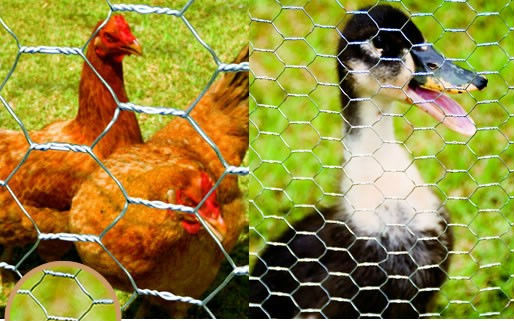
In the agricultural sector, these machines produce the indispensable "chicken wire" used for protecting crops and containing livestock. From large-scale poultry farms in the Midwestern United States to small-scale vegetable gardens in Europe, the flexibility and affordability of hexagonal mesh make it the preferred choice for temporary and permanent enclosures.
Investing in a high-quality hexagonal wire mesh machine provides significant long-term financial benefits. By reducing the reliance on manual labor and minimizing human error, manufacturers can lower their cost-per-meter of production, allowing them to enter more competitive bidding processes for government infrastructure contracts.
Beyond the balance sheet, there is a strong logic of sustainability and trust. Machines that produce high-precision mesh reduce material waste and allow for the use of recycled galvanized wires. This commitment to innovation not only enhances the brand's reputation for reliability but also ensures that the resulting products provide safety and dignity to the communities using them for shelter or protection.
The future of the hexagonal wire mesh machine is being shaped by the integration of Industry 4.0. We are seeing a shift toward "smart weaving," where IoT sensors monitor wire tension and machine vibration in real-time, predicting component failure before it happens and virtually eliminating unplanned downtime.
Digital transformation is also introducing PLC (Programmable Logic Controller) systems that allow for instant adjustments to the hexagonal geometry. This means a single machine can transition from producing livestock fencing to specialized industrial filters with a few keystrokes, drastically increasing the operational agility of the factory.
Furthermore, the push for green energy is leading to the development of energy-efficient motors and the use of eco-friendly coatings on the wire. Modern machines are being optimized to consume less electricity per ton of output, aligning the metalworking industry with global carbon-neutral goals.
Despite the efficiency of the hexagonal wire mesh machine, operators often face challenges such as wire breakage or uneven mesh apertures. These issues are typically rooted in poor wire quality or incorrect tension settings, which can lead to costly production halts and wasted materials.
Expert insights suggest that implementing a rigorous pre-weaving wire inspection process and using precision-calibrated guides can solve most of these problems. By ensuring the raw wire has a consistent diameter and zinc coating, the machine can operate at maximum speed without risking snare or breakage.
To further optimize performance, we recommend a preventive maintenance schedule focusing on the lubrication of the twisting heads. Utilizing high-pressure lubricants reduces friction and heat buildup, extending the life of the weaving components and ensuring that the hexagonal shape remains perfect throughout the entire roll.
| Machine Model | Production Speed (m/min) | Wire Diameter Range (mm) | Reliability Score (1-10) |
|---|---|---|---|
| Standard-Series A1 | 15-25 | 1.5 - 3.0 | 7.5 |
| High-Speed Pro B2 | 30-50 | 1.0 - 2.5 | 8.8 |
| Heavy-Duty Gabion G5 | 10-20 | 2.0 - 4.0 | 9.2 |
| Precision Micro M3 | 20-35 | 0.5 - 1.5 | 8.0 |
| Industrial Omni-V | 25-40 | 1.2 - 3.5 | 8.5 |
| Eco-Save Hybrid H1 | 20-30 | 1.5 - 2.8 | 8.2 |
A professionally maintained hexagonal wire mesh machine can last between 10 to 20 years. The key to longevity is the regular replacement of wear parts like twisting heads and rollers, as well as a consistent lubrication schedule. Using high-grade alloy steel components significantly extends the operational life compared to budget models.
Yes, most modern machines are designed with versatility in mind. By changing the rollers and adjusting the gear settings, you can modify the mesh aperture size. High-end models feature quick-change systems that allow operators to switch from small chicken wire to larger gabion mesh in a fraction of the time required by older machines.
The hexagonal wire mesh machine is primarily used with galvanized steel wire due to its corrosion resistance. However, stainless steel and PVC-coated wires are also compatible. The main consideration is the tensile strength and ductility of the wire; if the wire is too brittle, it may snap during the twisting process.
Wire breakage is usually caused by inconsistent wire diameter or excessive tension. Ensure you are using ISO-certified raw materials and calibrate the automatic tensioning system. Additionally, checking the alignment of the guide rollers prevents friction points that can weaken the wire before it reaches the twisting head.
Modern machines utilizing servo motors and variable frequency drives (VFDs) are highly energy efficient. They optimize power consumption based on the production load, reducing electricity costs by 15-30% compared to traditional fixed-speed motors, while also providing smoother acceleration and deceleration.
Importing requires verifying the machine's voltage compatibility with your local grid and ensuring all shipping documents (Bill of Lading, Commercial Invoice, Packing List) are accurate. We recommend partnering with a supplier that provides installation guidance and remote technical support to ensure the machine is calibrated correctly upon arrival.
In summary, the hexagonal wire mesh machine is more than just a piece of factory equipment; it is a vital tool for global infrastructure, agriculture, and environmental protection. By combining mechanical precision with automated efficiency, these machines allow for the sustainable mass production of mesh that secures livestock, stabilizes coastlines, and builds resilient cities.
As we move toward a more automated and eco-conscious industrial future, investing in smart, high-efficiency weaving technology will be the primary differentiator for successful manufacturers. We encourage business owners to prioritize machinery that offers both scalability and energy efficiency to ensure long-term profitability and environmental compliance. Visit our website for more professional solutions: www.htmeshmachines.com

If you are interested in our products, you can choose to leave your information here, and we will be in touch with you shortly.