Types of Concrete Nails: A Practical Guide
Having worked in the industrial equipment field for well over a decade, particularly around construction hardware, I can tell you one thing: concrete nails are a deceptively simple topic that deserves more attention than it usually gets.
When I first started, I didn’t think much about these tiny steel workhorses that hold masonry frameworks together. But over time, I've grown to appreciate the nuanced differences between various types of concrete nails—and frankly, understanding those differences can save you hours of frustration on-site.
So, what exactly defines a concrete nail? Roughly speaking, these nails are made from hardened steel and designed to penetrate concrete, masonry blocks, or bricks without bending or snapping. The need for specialized nails arises because regular nails simply won't do; they'll either bend or break under the dense, tough surface of concrete.
Oddly enough, not all concrete nails are created equal. There’s a surprising range depending on factors like head shape, shank style, length, and coating—each tailored for a specific application or environment. I've noticed that many engineers emphasize the importance of choosing nails based on the project's expected stresses and environmental exposure.
Here’s a quick rundown of the common types you'll encounter in the field:
- Bright Steel Nails: Simple, basic nails with a smooth shank and no coating. They’re affordable but can rust quickly if used outdoors.
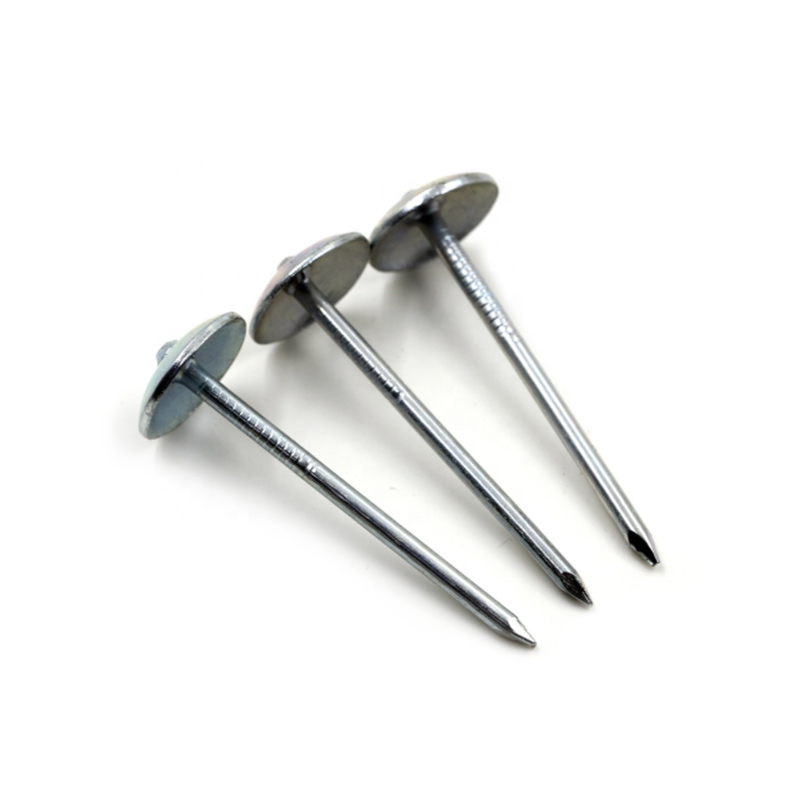
- Galvanized Nails: Coated with zinc to resist corrosion, ideal for moist environments or outdoor masonry.
- Heat-Treated Nails: Often type hardened for extra strength, these resist bending and are great for heavily reinforced concrete.
- Fluted or Annular Ring Shank Nails: These have ridges or grooves on the shank to provide extra grip inside concrete or masonry, reducing nail pull-out.
I recall a job site in Chicago where the crew insisted on using bright nails for a retaining wall—big mistake given the moist conditions. Within months, rust had weakened the fasteners causing remedial work. Since then, whenever I specify nails, galvanized or heat-treated ones generally come top of mind. You know, those little lessons stick.
In terms of size, nails usually range from 1¼ to 3 inches long, with diameters between 0.12 and 0.16 inches. Longer nails offer more holding power but can be trickier to set if concrete is very dense. One thing that surprised me is how even subtle changes in the nail point—like a chisel point versus a diamond point—can affect the ease of penetration and the risk of concrete cracking.
| Concrete Nail Type |
Material / Coating |
Common Sizes |
Key Advantages |
Typical Uses |
| Bright Steel |
Plain hardened steel |
1¼" - 3" |
Economical, readily available |
Indoor concrete |
| Galvanized |
Zinc coated steel |
1¼" - 2½" |
Corrosion resistant |
Outdoor, moist areas |
| Heat-Treated |
Hardened steel (type 1 or 2) |
1½" - 3" |
High strength, resists bending |
Dense or reinforced concrete |
| Fluted / Annular |
Hardened steel with grooved shanks |
2" - 3" |
Superior holding power |
Structural masonry fastening |
Now, I suspect many may wonder where’s the best place to source these nails? Industry veterans often weigh price against quality and availability. I’ve gathered a quick comparison of popular vendors I’ve encountered over the years below—just so you have a head start.
| Vendor |
Product Range |
Pricing |
Availability |
Customer Support |
| Vendor A |
Full line, including custom sizes |
Mid-range |
Wide availability |
Responsive, technical advice |
| Vendor B |
Standard offerings only |
Low-cost |
Select regions |
Limited support |
| Vendor C |
Premium, heat-treated nails |
Higher-end |
Nationwide |
Excellent |
With concrete nails, there’s no one-size-fits-all answer. Knowing the specifics around material, shape, and environmental needs can really improve the longevity and stability of your projects.
So next time you’re prepping for a masonry job, pause a moment and consider which nail you’re reaching for. I suppose it’s like choosing the right wrench—small details, big difference.
“Years on the tools have taught me that the best hardware is the one you don’t have to replace later.”
- Concrete Fastening Handbook, Industrial Press, 2018.
- Material Properties for Construction Hardware, Journal of Building Materials, 2021.
- Personal field notes from various construction sites, 2009–2023.