Hit enter to search or ESC to close
2 February 2026
Net cage aquaculture is a rapidly growing sector within the aquaculture industry, offering a cost-effective and environmentally sustainable method for raising fish. This article will explore the benefits, applications, and considerations for implementing a successful net cage aquaculture system. We’ll cover everything from site selection to cage construction and management practices. Understanding the nuances of this approach is crucial for maximizing productivity while minimizing environmental impact. Explore how HT Mesh Machines can provide innovative solutions for your net cage aquaculture needs.
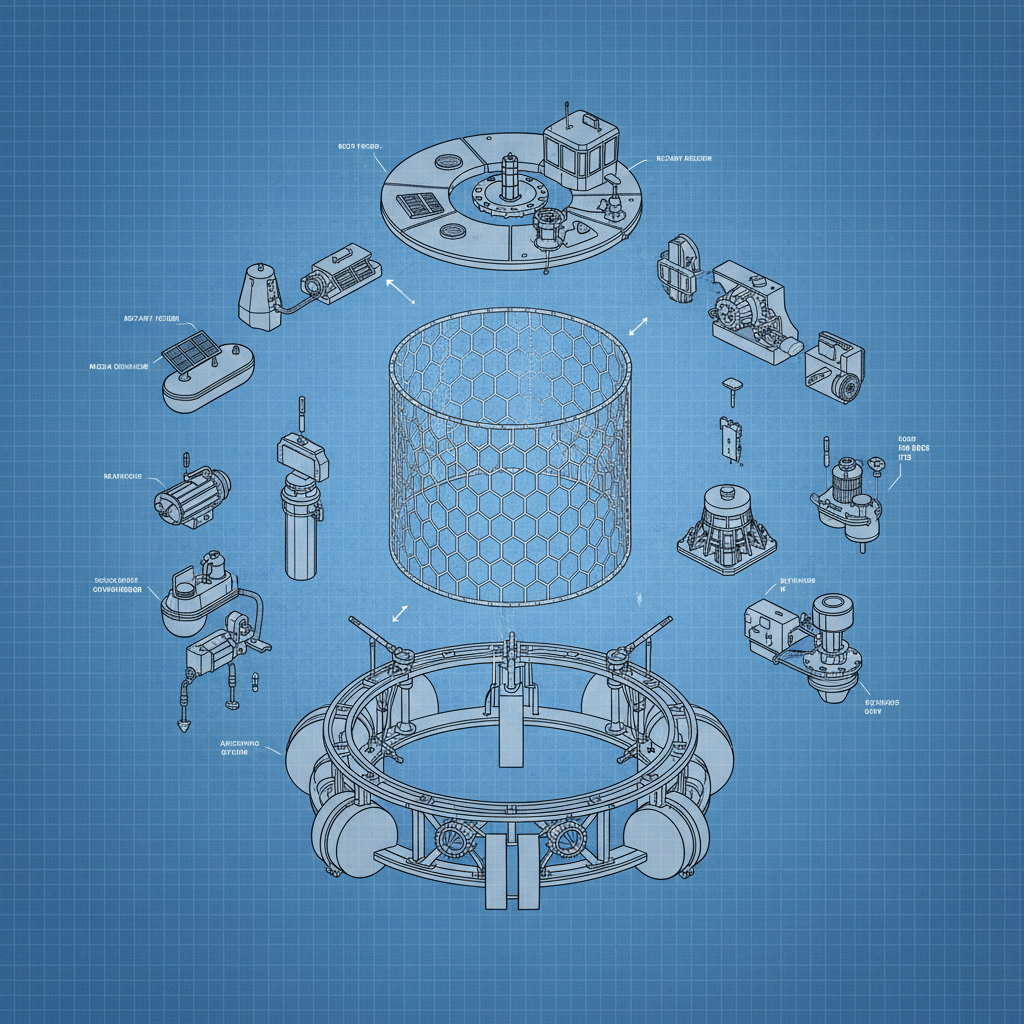
Net cage aquaculture involves rearing fish within enclosed netting structures submerged in bodies of water like lakes, rivers, or the ocean. This method allows for controlled breeding and harvesting while minimizing the footprint on the surrounding ecosystem. The nets are typically constructed from durable materials designed to withstand wave action and predation. Key benefits include increased stocking density, improved feeding efficiency, and reduced disease transmission compared to open-water farming. Properly managed net cages can deliver high yields with lower operational costs, making it a popular choice for fish farmers worldwide.
Compared to other aquaculture methods, net cage aquaculture presents several significant advantages. It’s relatively inexpensive to establish and operate, requiring less land area than pond or raceway systems. The open-water environment allows for natural water flow, improving water quality and reducing the need for intensive filtration. Net cages also facilitate easy monitoring of fish health and growth, allowing for timely intervention if issues arise. However, careful consideration must be given to environmental impact, as improper management can lead to pollution and ecosystem disruption. Utilizing high-quality net materials, like those offered by HT Mesh Machines, is paramount for long-term sustainability.
Key Benefits: Cost-effective, minimal land requirement, natural water flow, easy monitoring, improved fish health.
The durability and quality of the net material are critical for the success of a net cage aquaculture operation. Common materials include polyethylene (PE), polypropylene (PP), and nylon. PE nets are cost-effective and suitable for freshwater environments, while PP nets offer better resistance to UV degradation and saltwater corrosion. Nylon nets are known for their high strength and abrasion resistance, making them ideal for high-energy environments. Factors to consider include mesh size (to prevent fish escapes), tensile strength (to withstand wave action), and resistance to biofouling (to minimize maintenance). HT Mesh Machines specializes in providing high-performance netting solutions tailored to specific aquaculture needs.
Material Comparison:
• Polyethylene (PE): Cost-effective, freshwater use.
• Polypropylene (PP): UV resistant, saltwater compatible.
• Nylon: High strength, abrasion resistant.
Not all fish species are equally well-suited for net cage aquaculture. Species that tolerate relatively high densities and exhibit strong growth rates are generally preferred. Commonly farmed species include salmon, trout, tilapia, seabass, and grouper. Considerations include the fish’s feeding habits, temperature tolerance, and susceptibility to disease. Selecting the right species for the specific environmental conditions and market demand is crucial for profitability. HT Mesh Machines offers customized net solutions to accommodate the unique needs of different fish species.
Responsible net cage aquaculture prioritizes environmental sustainability. Key considerations include minimizing waste discharge, preventing fish escapes, and monitoring water quality. Regular cleaning of nets is essential to prevent biofouling and maintain water flow. Implementing effective feeding strategies can reduce uneaten feed, a major source of pollution. Careful site selection, avoiding sensitive habitats like coral reefs or seagrass beds, is also critical. Partnering with companies like HT Mesh Machines, which prioritize eco-friendly materials, can further enhance sustainability.
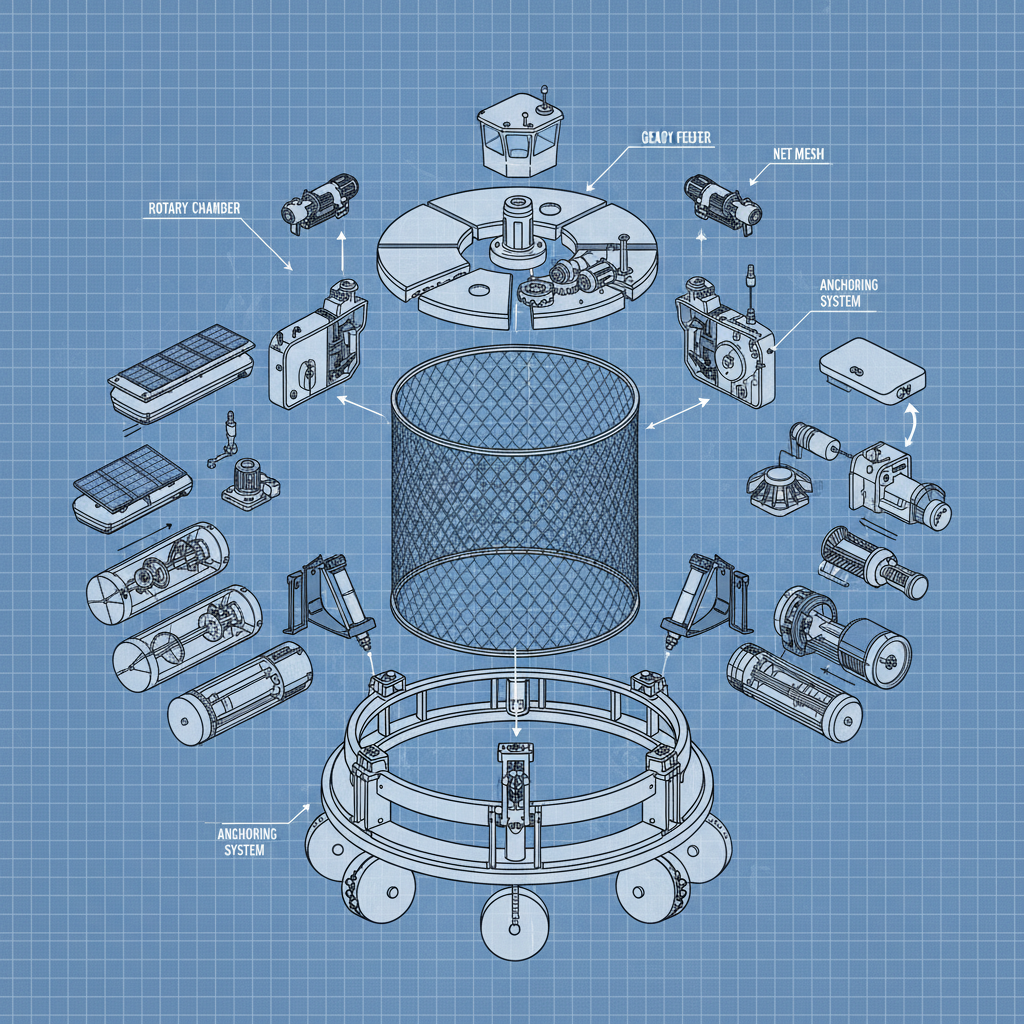
Net cage aquaculture offers a promising solution for meeting the growing global demand for seafood. By employing best practices in site selection, material selection, and environmental management, it can be a sustainable and profitable venture. HT Mesh Machines is dedicated to providing the innovative netting solutions needed to support the responsible growth of this vital industry.
The lifespan of a net cage is highly dependent on the quality of the materials used, environmental conditions, and maintenance practices. Generally, a well-maintained net cage constructed with high-quality materials like those from HT Mesh Machines can last between 3 to 7 years. However, exposure to harsh UV radiation, saltwater corrosion, and frequent storms can significantly reduce its lifespan. Regular inspections for tears, wear, and biofouling are crucial for extending its usability and preventing costly fish escapes.
Site selection is paramount for success. You need to consider water depth, flow rates, water quality (temperature, salinity, oxygen levels), protection from storms and predators, accessibility for feeding and harvesting, and proximity to markets. Avoid areas with strong currents, pollution sources, or sensitive ecosystems. Obtaining necessary permits and ensuring compliance with local regulations are also vital steps. A thorough environmental impact assessment should be conducted before establishing a net cage farm.
Minimizing environmental impact requires a multi-faceted approach. Use high-quality, durable nets to prevent fish escapes and reduce plastic pollution. Implement responsible feeding practices to minimize uneaten feed. Regularly monitor water quality and manage waste discharge effectively. Choose a site that minimizes disturbance to sensitive habitats. Consider integrating the farm with other sustainable practices, such as seaweed cultivation, to create a more balanced ecosystem.
HT Mesh Machines offers a comprehensive range of netting solutions tailored to aquaculture needs, including PE, PP, and nylon nets in various mesh sizes and strengths. We provide custom-designed cages, predator nets, and cover nets to protect your fish from external threats. Our nets are manufactured to the highest quality standards, ensuring durability, longevity, and optimal performance in diverse aquaculture environments. Visit our website to explore our full product range.