Hit enter to search or ESC to close
4 February 2026
When it comes to aquaculture, selecting the appropriate net pen is crucial for the health of your stock and the success of your operation. Net pens are fundamental for containing and protecting fish and other aquatic species while allowing for water flow and oxygenation. This article will guide you through the key considerations when choosing a net pen, covering materials, sizes, construction, and application. Understanding these factors will enable you to make an informed decision and optimize your aquaculture setup. HT Mesh Machines provides high quality net pens for various aquaculture needs.

The construction of a net pen is paramount to its durability and effectiveness. The primary material used for net pens is polyethylene (PE) netting. PE netting is prized for its strength, flexibility, resistance to UV degradation, and relative affordability. However, not all PE netting is created equal. The mesh size is also vital, determined by the species being raised – smaller mesh for smaller fish, larger mesh for larger fish to optimize water flow while preventing escapes. The frame supporting the netting can be constructed from a variety of materials, including HDPE (High-Density Polyethylene) pipes, galvanized steel, or even composite materials. HDPE is becoming increasingly popular due to its corrosion resistance and long lifespan. The quality of the connectors and fastening systems also significantly impacts the pen's overall strength and longevity. HT Mesh Machines utilizes only the highest quality materials in its net pen construction.
Key Highlights: Durable PE netting, corrosion-resistant HDPE frames, and high-quality connectors ensure long-lasting performance.
The size and shape of a net pen are critical factors determined by the species being farmed, the quantity of fish, and the available space. Round or square pens are the most common shapes, each offering different advantages. Round pens generally offer better water flow and reduce dead zones, while square pens are easier to integrate into existing infrastructure. Pen size dictates stocking density, impacting fish growth rates and water quality. Overcrowding can lead to stress, disease outbreaks, and reduced growth. It’s important to calculate the appropriate pen volume based on the target biomass and stocking density recommendations for the specific species. Deeper pens can provide a more stable temperature environment, while shallower pens are easier to monitor and maintain. Careful planning of pen size and shape is essential for efficient and sustainable aquaculture.
Key Considerations:
• Species being farmed
• Quantity of fish
• Available space
• Water flow requirements
Several types of net pens are available, each suited for different applications. Fixed net pens are anchored to the seabed and offer stability but are less adaptable to changing conditions. Floating net pens are supported by floats and can be easily moved or adjusted. Cage systems are fully enclosed structures providing enhanced security and control over the environment. The choice of pen type depends on the site conditions, the species being farmed, and the management practices employed. For example, in areas with strong currents, a robustly anchored fixed net pen might be preferred, while in calmer waters, a floating pen might be more suitable. HT Mesh Machines offers a range of pen types to meet diverse aquaculture needs.
Selecting the correct mesh size for your net pen is paramount to prevent escapes and maintain optimal water flow. The mesh size should be appropriate for the size of the fish or aquatic species you are raising. A rule of thumb is to choose a mesh size that is small enough to prevent the fish from passing through, but large enough to allow for adequate water circulation. Too small a mesh size can restrict water flow, leading to oxygen depletion and increased organic matter buildup. Too large a mesh size risks escapes, especially as the fish grow. Careful consideration of the species’ growth rate and behavior is crucial in determining the optimal mesh size. Consult with aquaculture experts or refer to species-specific guidelines for recommendations.
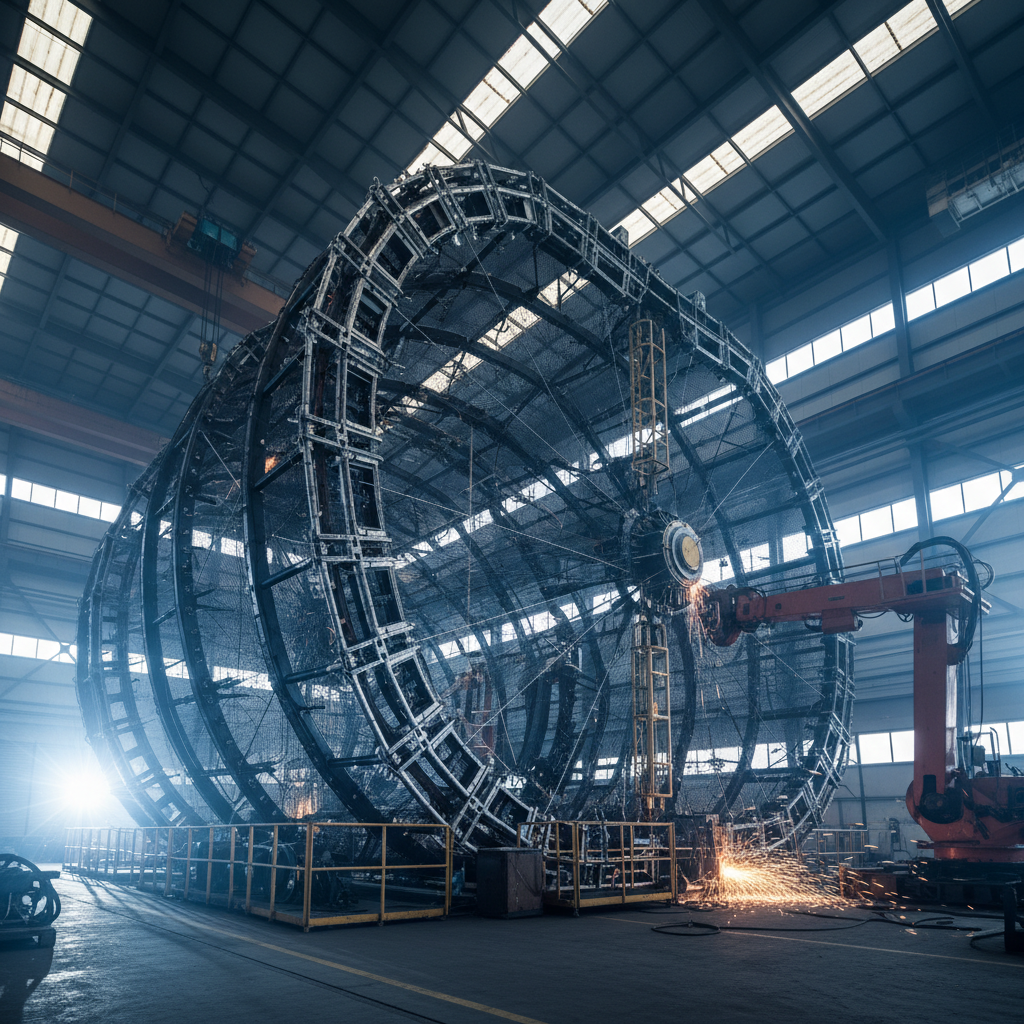
Regular maintenance and inspection are critical for maximizing the lifespan and effectiveness of your net pen. This includes periodic cleaning to remove algae, debris, and biofouling, which can restrict water flow and contribute to disease outbreaks. Inspect the netting regularly for tears, holes, or wear and tear. Repair any damage promptly to prevent escapes. Check the frame and connectors for corrosion or structural weaknesses. Also, ensure that the anchoring system is secure and stable. Routine maintenance not only prolongs the life of the pen but also minimizes the risk of costly repairs and losses. A proactive approach to maintenance is a cornerstone of successful aquaculture. HT Mesh Machines provides guidance on proper net pen maintenance.
Investing in a high-quality net pen from a reputable supplier like HT Mesh Machines is a vital step towards successful and sustainable aquaculture. By carefully considering the factors discussed in this article, you can select a pen that meets your specific needs and contributes to the health and productivity of your operation. Remember, a well-chosen and well-maintained net pen is an investment in the long-term success of your aquaculture venture.
The lifespan of a net pen typically ranges from 5 to 10 years, depending on the quality of materials, environmental conditions, and the frequency of maintenance. Pens constructed with high-density polyethylene (HDPE) frames and UV-stabilized netting generally last longer than those made with less durable materials. Regular inspection and repair of any damage can significantly extend the pen's lifespan. Factors like exposure to harsh weather, saltwater corrosion, and biofouling can accelerate degradation. Proper storage during off-seasons can also help prolong its usability.
Preventing escapes requires a multi-faceted approach. Ensure the netting is appropriately sized for the species being farmed, with a mesh size small enough to prevent fish from passing through. Regularly inspect the netting for tears, holes, or weak spots and repair them promptly. Securely anchor the pen to prevent it from being displaced by currents or waves. Consider adding an anti-escape skirt around the perimeter of the pen to further deter fish from jumping or swimming under the netting. Finally, minimize stress on the fish, as stressed fish are more likely to attempt to escape.
Regular maintenance is crucial. This includes cleaning the netting to remove algae and biofouling at least every month, inspecting the frame and connectors for corrosion or damage, and ensuring the anchoring system remains secure. Replace any damaged netting or components immediately. Consider applying an anti-fouling coating to the netting to prevent biofouling. Monitor water flow around the pen to ensure adequate oxygenation and waste removal. Establish a regular maintenance schedule and keep detailed records of all inspections and repairs.
Net pens, when properly managed, can be a relatively environmentally friendly aquaculture method. However, it is important to minimize their environmental impact. Proper site selection is crucial, avoiding sensitive habitats. Effective waste management practices, such as utilizing current flow to disperse waste, are essential. Regularly monitoring water quality around the pen is vital to prevent pollution. Using durable, long-lasting netting reduces the need for frequent replacements and minimizes plastic waste. Responsible aquaculture practices are key to ensuring the sustainability of net pen farming.