Hit enter to search or ESC to close
29 June 2026
In the competitive landscape of metal wire processing, efficiency and precision are the cornerstones of success. The hexagonal wire mesh machine represents a pinnacle of engineering, designed to automate the intricate process of weaving galvanized or coated iron wires into perfect hexagonal patterns. Whether you are serving the agricultural, construction, or decorative sectors, investing in a high-performance weaving system ensures consistent quality and reduced operational overhead. In this guide, we will explore how modern machinery transforms wire production and why selecting the right equipment is vital for long-term scalability.

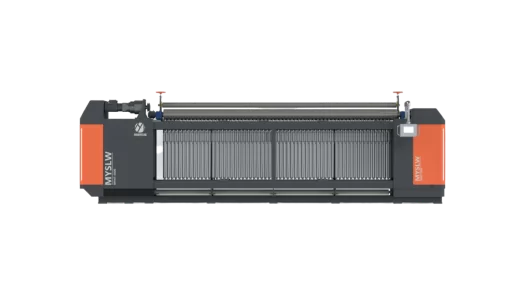
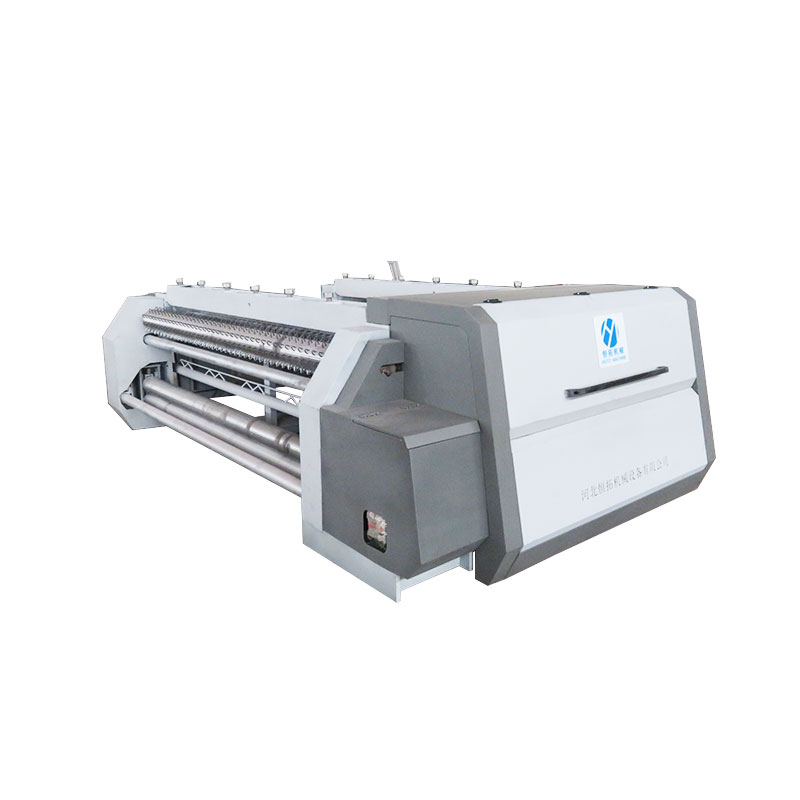
Modern manufacturing demands equipment that is both robust and flexible. The latest hexagonal wire mesh machine features a innovative positive twisted design, enabling the production of mesh sizes as small as 10mm. By adopting a horizontal structure, the machine achieves significantly smoother operation and reduced vibration, which directly translates to higher product consistency and less mechanical wear. This architectural shift allows operators to maintain high speeds without sacrificing the structural integrity of the woven mesh.
Technical Advantage: The integration of a horizontal layout ensures a more stable center of gravity, reducing noise pollution in the factory and extending the lifecycle of the internal gear systems.
One of the most significant challenges in the metallurgical equipment industry is the rising cost of skilled labor. To combat this, the modern hexagonal wire mesh machine incorporates an advanced PLC (Programmable Logic Controller) system. This automation simplifies the setup and monitoring process, allowing a team of just two people to operate the machinery effectively. By reducing the reliance on a large workforce, manufacturers can drastically lower their long-term labor expenses while increasing overall hourly throughput.
Efficiency Gains:
• PLC control for simplified operation
• Reduced footprint for optimized factory layout
• Lower electricity consumption per ton of mesh
• Minimal downtime due to streamlined maintenance
When evaluating the transition from legacy systems to an automated hexagonal wire mesh machine, the data speaks for itself. Automation eliminates human error in wire tension and twist angles, ensuring that every meter of mesh meets strict industrial standards. While manual or semi-automatic machines may have a lower initial purchase price, the total cost of ownership is much higher due to waste and labor inefficiency.
The versatility of the output from a hexagonal wire mesh machine allows manufacturers to penetrate multiple markets. Small-scale hexagonal mesh is indispensable for pipeline insulation and animal breeding cages. In the creative sector, these meshes are used for floral decorations and wedding flower arrangements. Additionally, the high-strength versions are widely utilized for security fences and erosion control in civil engineering projects. This ability to switch between different mesh sizes and wire diameters makes the machine a multi-purpose asset for any wire factory.

Choosing the right model depends on your specific output requirements. The hexagonal wire mesh machine range offers various configurations to handle different wire diameters and mesh widths. From lightweight 0.38mm wire for decoration to heavy-duty 1.5mm wire for industrial fencing, the machine's motor and twist settings can be customized. Below is the detailed specification table for standard configurations:
A truly professional hexagonal wire mesh machine must handle diverse materials without compromising the weave. Our machines are specifically designed to work with both galvanized iron wire and PVC-coated wires. This flexibility allows producers to offer weather-resistant and corrosion-resistant products to their clients. Furthermore, customization is available for those who require unique spool winding or spring winding attachments, ensuring the equipment grows alongside the business's evolving needs.
Investing in a high-quality hexagonal wire mesh machine is more than just a purchase; it is a strategic move toward industrial maturity. By integrating PLC automation, a stable horizontal structure, and a wide range of material compatibility, you can reduce labor costs and increase production efficiency. Whether you are targeting small-scale decorative mesh or large-scale industrial fencing, the right machinery ensures that your products remain competitive in both quality and price. Upgrade your facility today and lead the market in wire mesh production.
Yes, the machine is specifically engineered to process both galvanized iron wire and PVC coated wire. The weaving mechanism is designed to maintain consistent tension regardless of the coating, ensuring that the plastic layer is not damaged during the twisting process. This makes it ideal for producing weather-resistant fencing and animal cages that require an extra layer of protection against corrosion.
The PLC (Programmable Logic Controller) system automates the critical parameters of the weaving process. Instead of relying on manual mechanical adjustments, operators can set the desired specifications via a digital interface. This not only reduces the risk of human error but also significantly lowers the labor requirement. Typically, a fully automated system allows just two operators to manage the entire production line, drastically cutting long-term operational costs.
Thanks to the new positive twisted hexagonal mesh design, the machine can produce a minimum mesh size of 10mm. This precision allows manufacturers to create fine-mesh products used in specialized applications such as pipeline insulation, floral arrangements, and small-animal breeding. You can find more detailed size options and customized configurations on the HT Mesh Machines website.
The horizontal structure provides a more stable base, which minimizes vibrations during high-speed operation. This stability is crucial for maintaining the exact geometry of the hexagonal holes. Additionally, horizontal machines are generally easier to maintain and occupy a more efficient footprint in the factory, contributing to a smoother workflow and a safer environment for the operators.