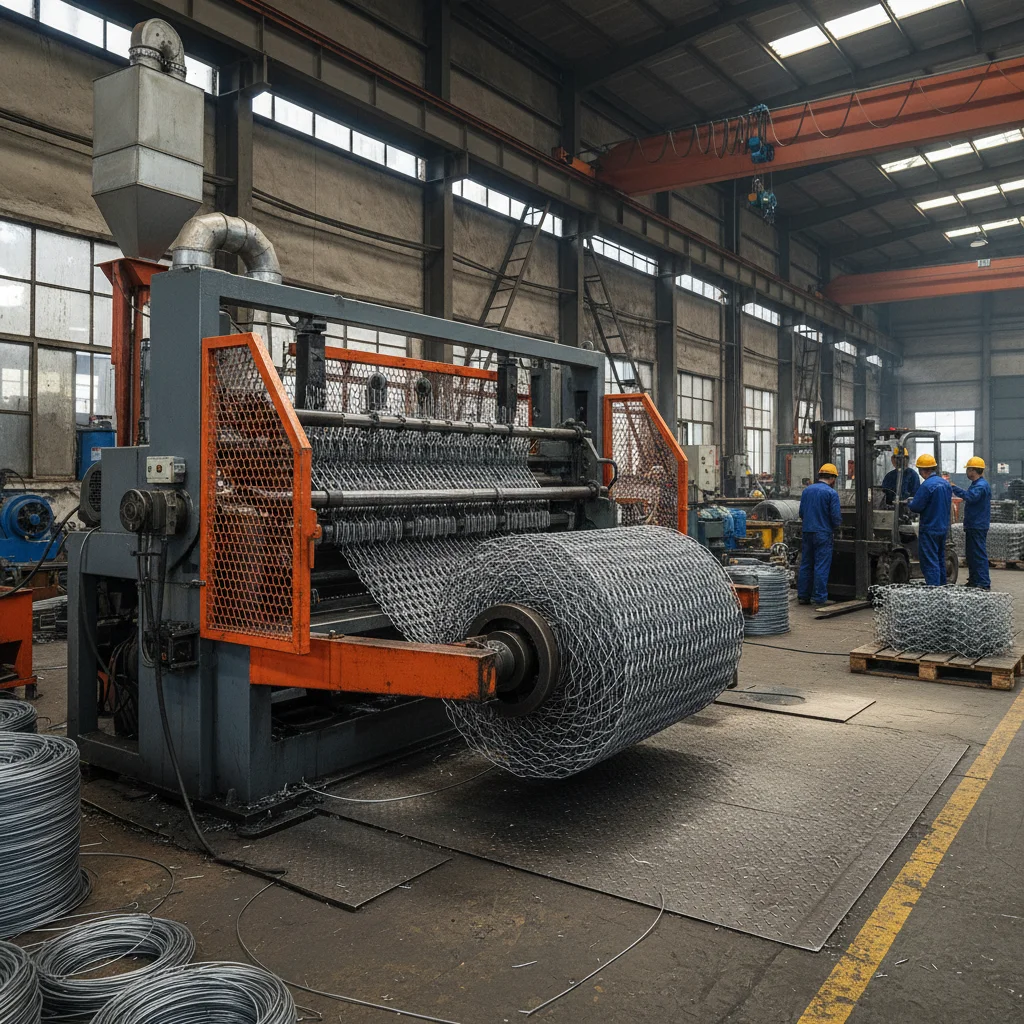
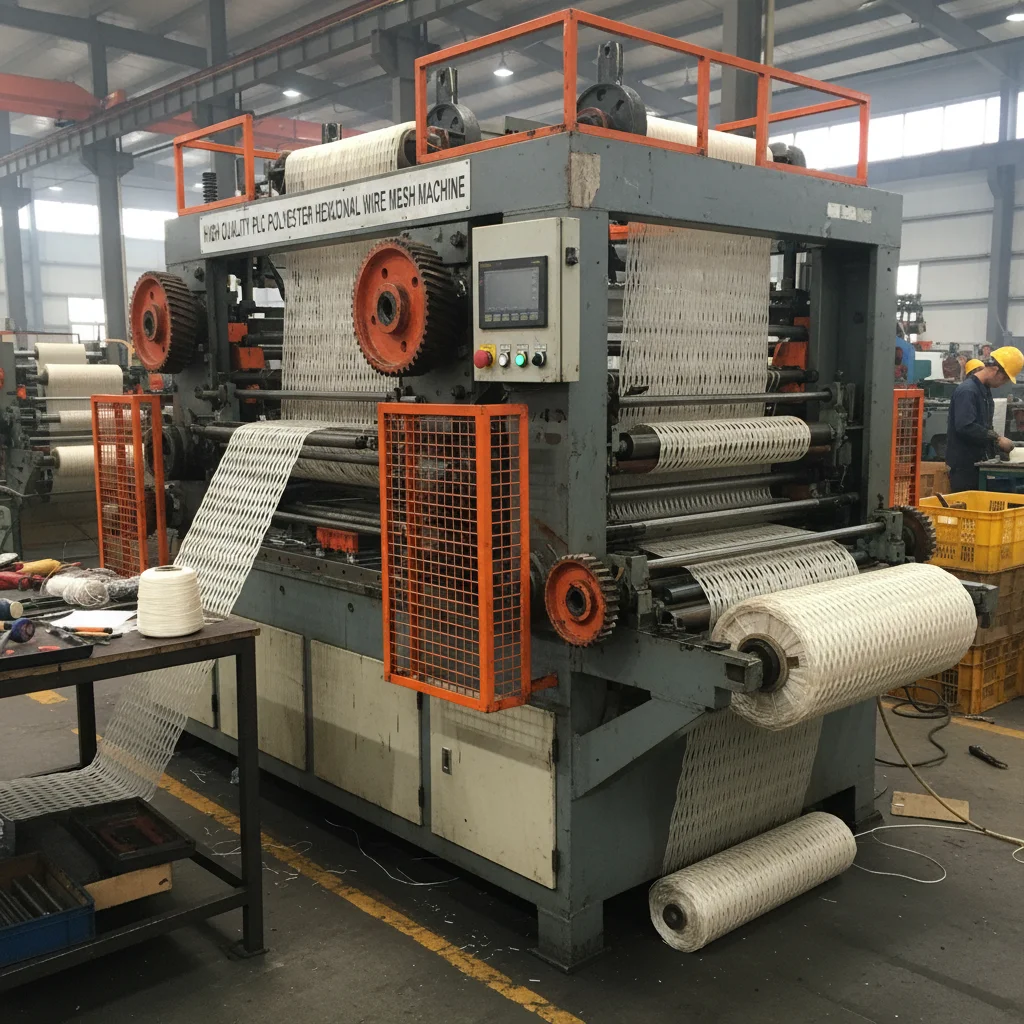
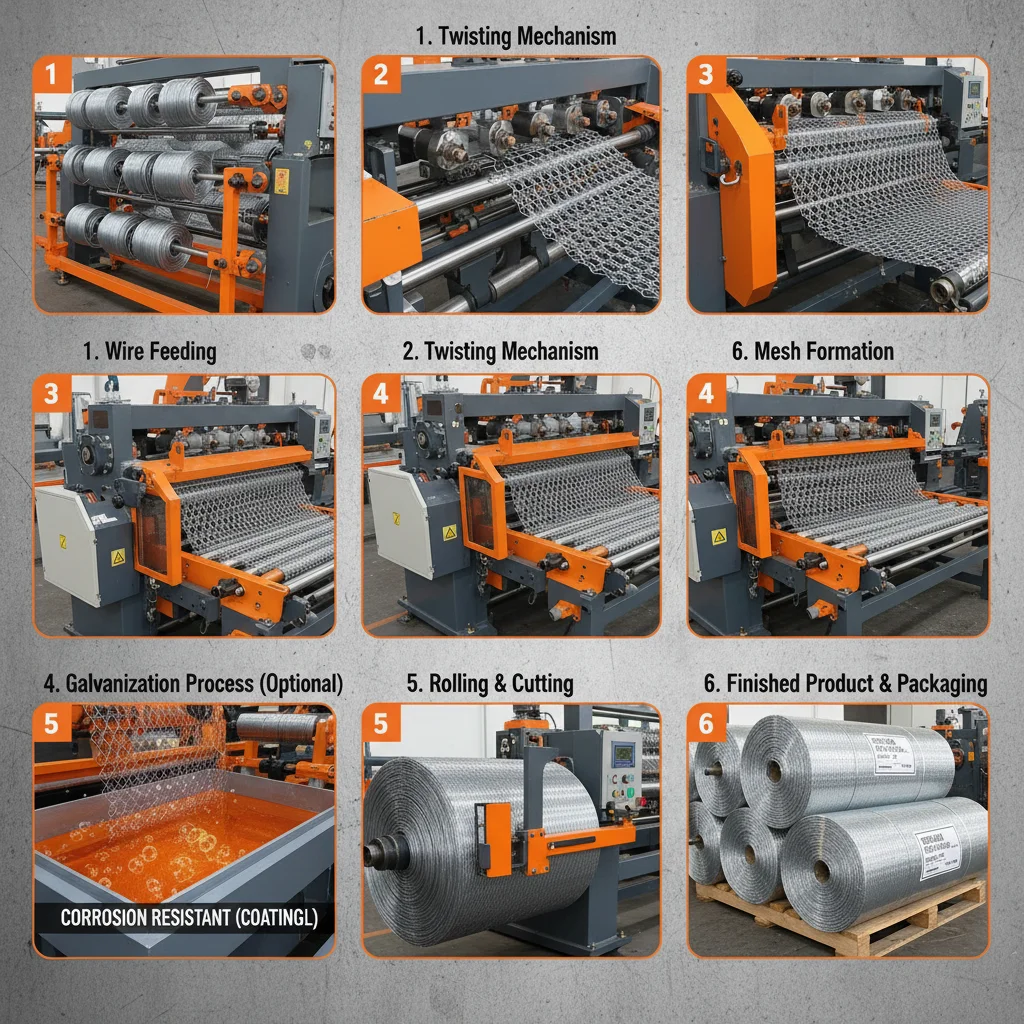
Aquaculture Netting is a key solution in the industry, specifically within commercial fish farming and aquatic ecosystem management. This article explores how https://www.htmeshmachines.com supports professionals with durable, high-performance products, and explains why this product is an ideal choice for businesses in these sectors.
Table of Contents
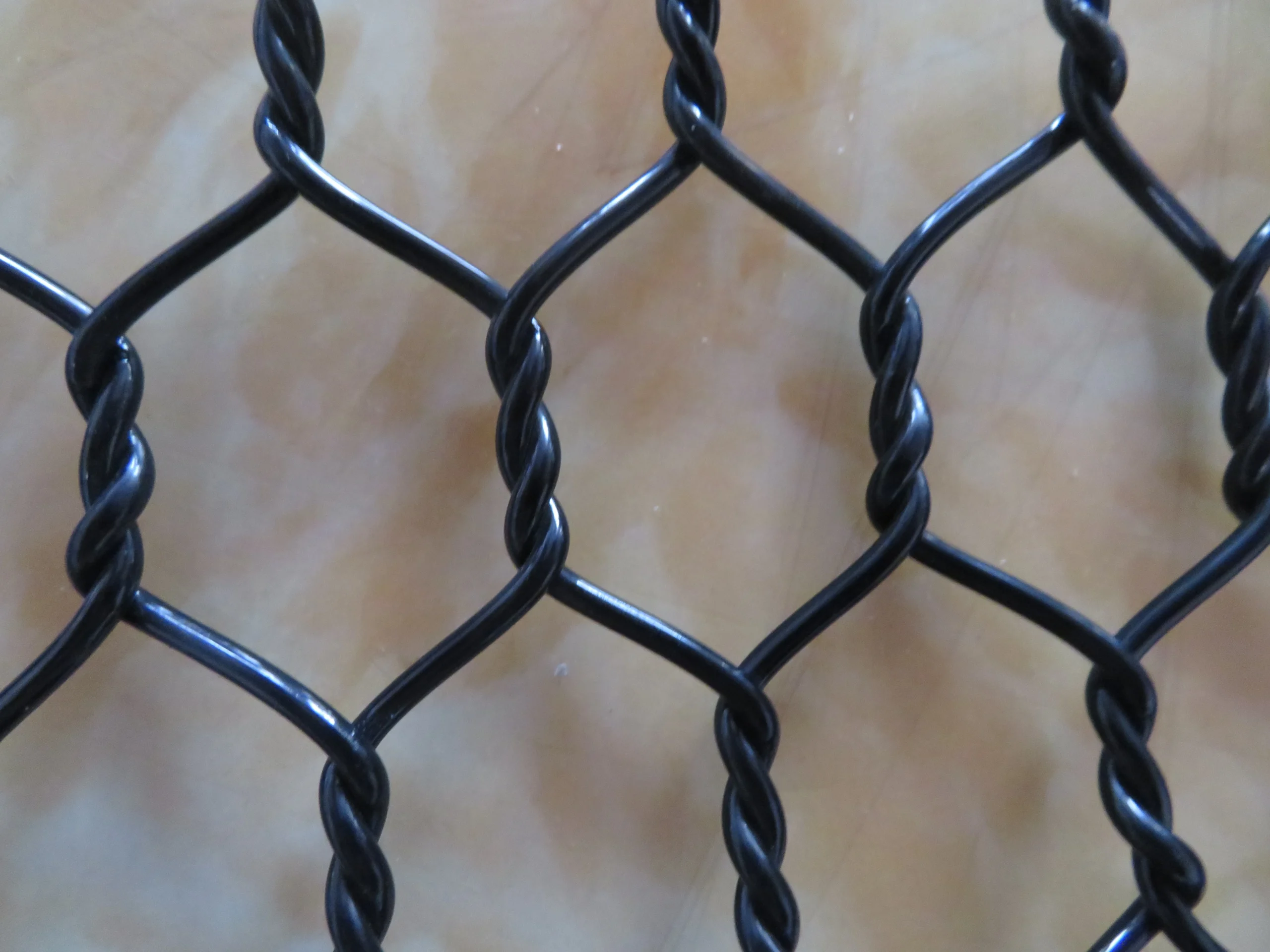
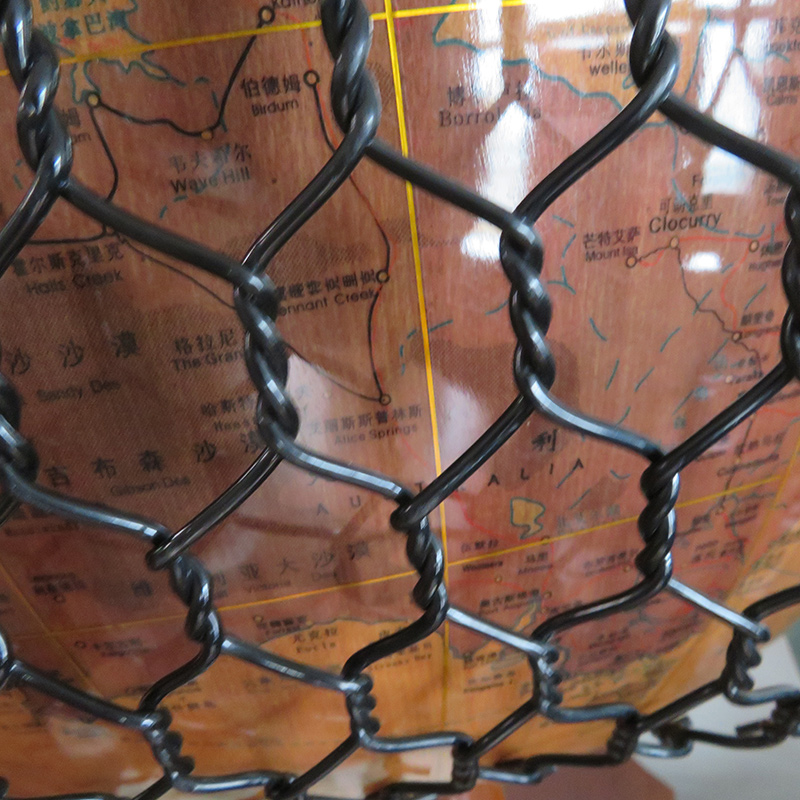
Aquaculture netting might sound like a simple concept, but it’s really the backbone of modern fish farming and sustainable aquatic resource management. At its core, this netting is a specialized mesh designed to create durable enclosures for various species in freshwater or marine environments. The popularity of polymer-based materials such as polyethylene offers tremendous strength, UV resistance, and longevity, which frankly isn’t always easy to find when you’re working in sometimes harsh environments.
Companies like HT Mesh Machines provide expertly manufactured netting with specifications tailored to industrial needs — mesh sizes range from small micron openings for shrimp to larger holes for salmon cages. A recent case study showed a salmon farm in Norway reducing net damage incidents by 30% after switching to HT Mesh’s polyethylene netting — mostly thanks to better tensile strength and abrasion resistance.
Aquaculture Netting Technical Specifications
| Specification |
Details |
| Material |
High-density Polyethylene (HDPE) with UV stabilizers |
| Mesh Size |
Ranges from 5mm to 50mm openings |
| Tensile Strength |
Up to 1200 N per strand |
| Color |
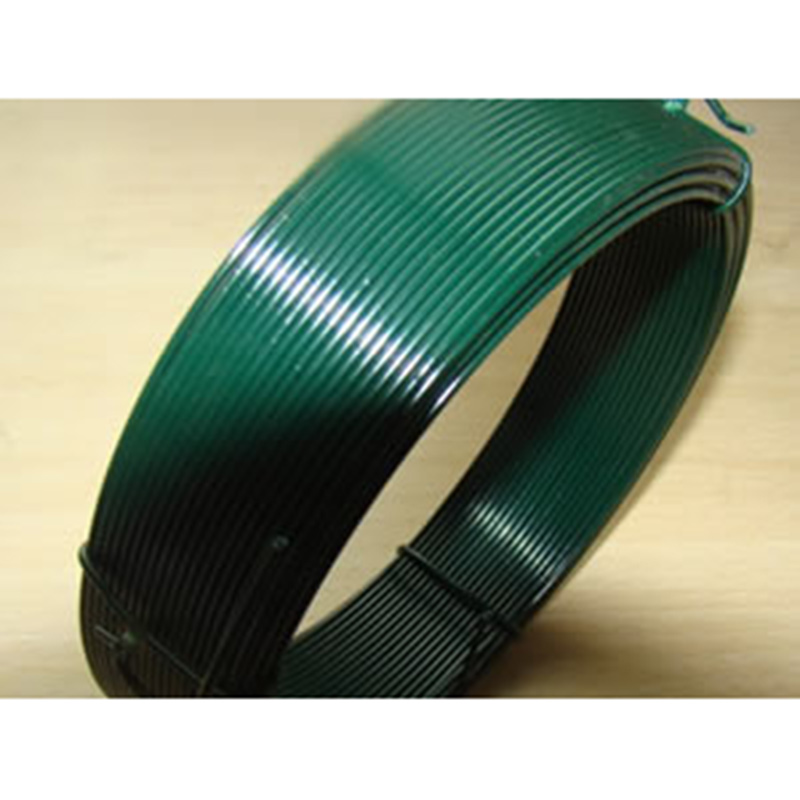
Black, green, blue, or customizable |
| Treatment |
Anti-fouling and anti-UV coating options |
| Warranty |
Up to 5 years under normal conditions |
You know, when you think about fish farming, keeping your aquatic livestock secure while ensuring water flows freely is no small feat. Aquaculture netting lets farms create protected cages that prevent escapes, reduce predation, and mitigate disease spread — which is a huge deal in commercial operations. Beyond fish cages, this netting also serves in hatcheries and algae cultivation setups where fine mesh designs control exposure levels.
HT Mesh’s aquaculture netting stands out because of its consistent quality and adaptability. Clients have lauded the nets’ resistance to wear and tear — some even run double-coated nets for longer life spans. Since the company offers customization, it’s common for customers to get nets designed exactly for their species and environment, which frankly saves a lot of guesswork and downtime.
Cost, Maintenance & User Experience
A big question—what does all this mean financially? Well, aquaculture netting from HT Mesh offers compelling total cost of ownership benefits. Yes, upfront costs might appear higher compared to some local alternatives, but when you consider the longevity — often several years without major repairs — and reduced fish loss, it’s a smart investment. Many professionals reported a return on investment within 18-24 months due to fewer replacements and better fish survival.
Maintenance is relatively straightforward, too. The treated polyethylene is easy to clean, and its resistance to fouling means less labor for frequent net scrubbing. Fish farmers have praised how quickly the nets dry and how well they handle rough weather, which honestly makes day-to-day operations less stressful.
Vendor Comparison for Aquaculture Netting
| Vendor |
Material Quality |
Customization |
Price Range |
Warranty |
| HT Mesh Machines |
High-density polyethylene, UV resistant |
Full customization options |
Mid to high |
Up to 5 years |
| Local Supplier A |
Standard polyethylene |
Limited sizing options |
Low to mid |
1-2 years |
| Vendor B |
Polypropylene blend, less UV protected |
Standard sizes only |
Low |
No warranty |
Sustainability & Market Trends
Oddly enough, sustainability in aquaculture isn’t just a buzzword — it’s becoming an operational necessity. Aquaculture netting plays a pivotal role by reducing fish escapes that might disrupt local ecology and minimizing net waste through durable materials that last longer and can often be recycled. Within the industry, regulators are tightening rules around environmental impact, and suppliers like HT Mesh Machines are rising to the challenge with innovative, eco-conscious production methods.
In real terms, this means more farms adopting high-grade netting with anti-fouling treatments to reduce chemical cleaning cycles and lower water pollution. The market’s growth is substantial — global aquaculture is forecasted to expand steadily, increasing demand for robust netting solutions designed with both performance and planet in mind.
Frequently Asked Questions about Aquaculture Netting
- What is Aquaculture Netting and how does it work?
-
Aquaculture netting is a mesh material designed to contain aquatic animals within a controlled environment. It works by providing a physical barrier that allows water to circulate while preventing fish from escaping and deterring predators.
- What are the main benefits of using Aquaculture Netting in industrial applications?
-
Key benefits include durability against harsh environments, UV resistance, prevention of fish escapes, and ease of maintenance. This netting also helps improve water flow and reduces disease transmission.
- How does Aquaculture Netting compare to traditional alternatives?
-
Compared with conventional materials like natural fibers or untreated plastics, modern aquaculture netting offers superior strength, longevity, and environmental resistance, reducing replacements and unforeseen losses.
- What industries can benefit most from Aquaculture Netting implementation?
-
The primary industries include commercial fish and shrimp farming, hatcheries, and algae cultivation facilities, all of which need reliable containment solutions to optimize yield and sustainability.
Conclusion on Aquaculture Netting from China
In summary, aquaculture netting, especially from notable suppliers like HT Mesh Machines, offers an essential combination of durability, flexibility, and environmental responsibility for fish farming and related industries. Choosing quality netting means investing in reduced waste, better fish health, and improved operational returns — all pretty vital when stakes are high.
It feels like, as this market expands, the role of robust, smartly engineered aquaculture netting will only grow more critical. For decision makers seeking sustainable, long-lasting solutions, the choice is really becoming clear.
References:
1. FAO, "The State of World Fisheries and Aquaculture 2022"
2. Industry reports on aquaculture netting performance (HT Mesh Machines internal data, 2023)
3. Environmental sustainability trends in aquaculture, Global Aquaculture Alliance