Hit enter to search or ESC to close
8 December 2025
Fish Farming Net is quickly becoming an indispensable solution for aquaculture professionals worldwide. Particularly in commercial fish farming, these nets aren’t just about containment—they’re about sustainability, fish health, and operational efficiency. I have noticed that companies sourcing their supplies from trusted manufacturers like HT Mesh Machines tend to get nets that withstand environmental stress better, reducing downtime and improving overall yields.
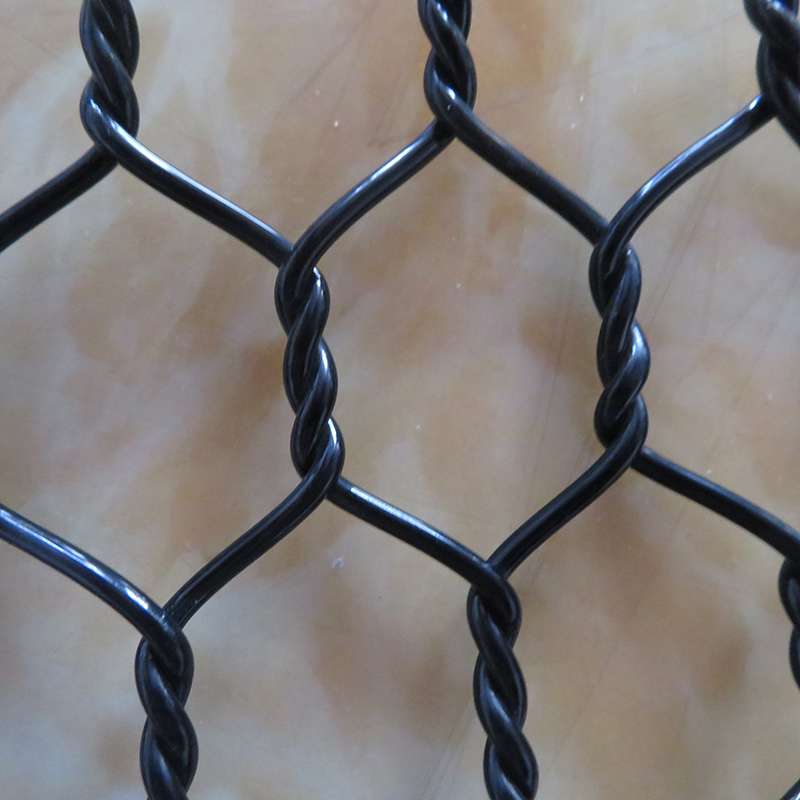
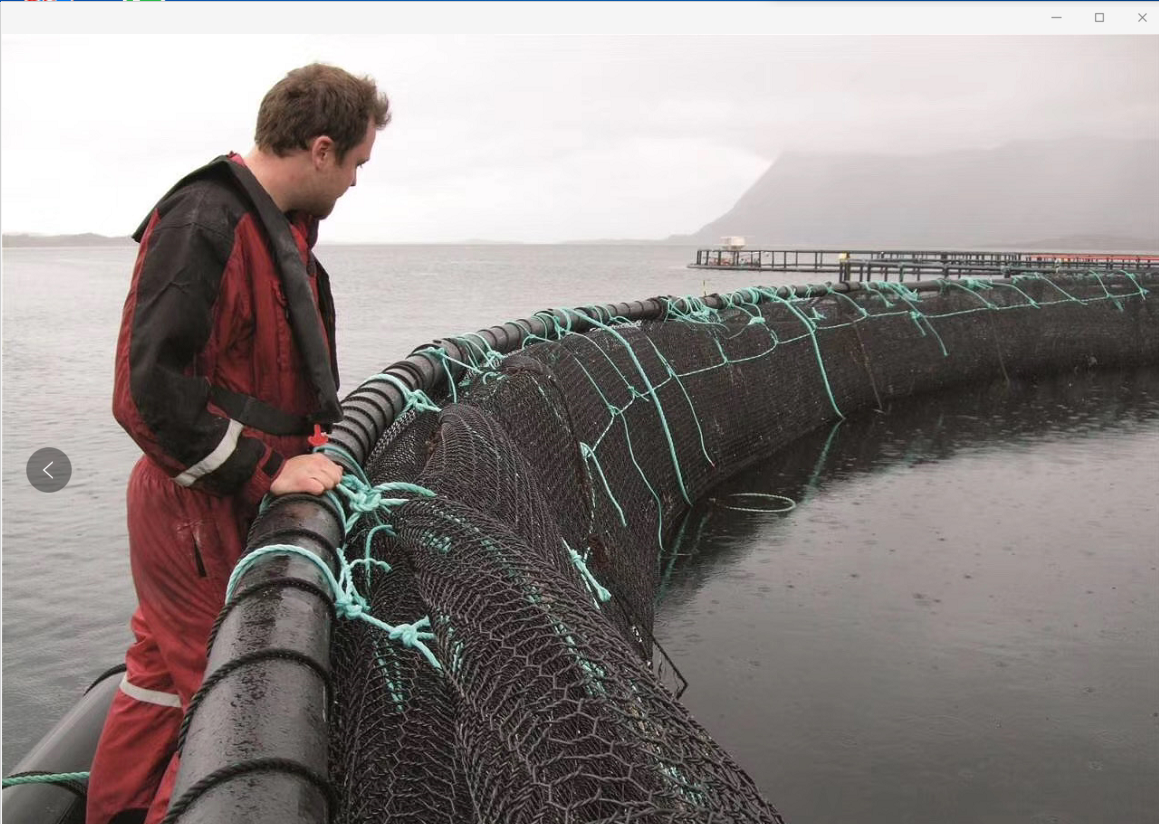
To start with, a Fish Farming Net is a robust, specialized netting designed primarily for aquaculture environments. It isolates farmed fish from wild populations and predators, while also allowing water circulation — essential for fish health. This kind of netting is usually crafted from high-performance polyester fibers treated to resist UV damage, abrasion, and saltwater corrosion.
Technically speaking, one popular example is the Kikkonet brand net made from polyester monofilament. Its tight, yet flexible weave can be customized for mesh size depending on the fish species cultured, whether tilapia, salmon, or trout. Interestingly, some farms in Southeast Asia saw productivity boost by nearly 20% after switching to such durable nets, as reported in a regional case study last year.
| Specification | Details |
|---|---|
| Material | Polyester Monofilament |
| Mesh Sizes | 6 mm, 8 mm, 10 mm, Custom |
| UV Resistance | Excellent, up to 5000 hours exposure |
| Lifespan | 5–7 years under normal conditions |
| Color Options | Green, Black, Blue (customizable) |
There’s really a lot to appreciate when it comes to the applications of fish farming nets in commercial aquaculture. First, they provide a barrier against fish escaping into natural ecosystems, supporting responsible farming practices. Secondly, these nets keep outside predators at bay — seals and birds, for example — which otherwise damage stocks or increase mortality.
Compact and flexible, these nets also allow water to flow through easily, which is crucial to maintaining oxygen levels and flushing out waste. From what I’ve gathered visiting farms, the polyester material used in HT Mesh Machines’ nets seems to withstand repeated stress better than older nylon types, which can degrade quickly.
With competitive advantages like high tensile strength, UV protection, and customization options, businesses can tailor nets exactly for their operational needs. For instance, a trout farm might require finer mesh to prevent fingerlings from escaping, whereas salmon farms use slightly larger meshes. This adaptability really sets them apart.
Now, no one wants to buy a net just for it to rip or degrade after a season, right? So cost and durability are front-of-mind. Despite a slightly higher upfront cost compared to some cheaper alternatives, HT Mesh Machines’ polyester fish farming nets offer superior longevity, often lasting 5 to 7 years. That means lower replacement frequency and less downtime.
Maintenance has also been simplified. Customer feedback from Asia and Europe frequently mentions how easy it is to clean biofouling off the polyester nets compared to other materials. Some even reported reduced algae build-up thanks to the net’s texture and chemical treatment, saving labor hours and improving fish health.
In real terms, the total cost of ownership usually ends up more favorable than typical nylon or polypropylene nets that require replacement every 2-3 years. It’s kind of like investing in quality fishing gear: expensive at first, but worth every penny.
Sustainability has surged to the top of industry conversations. Oddly enough, you don’t often hear about the nets themselves, but they play a huge role in environmental impact. Durable fish farming nets reduce microplastics from breakdown and minimize escapes of farmed species into wild populations, which can disrupt ecosystems.
With regulatory agencies worldwide tightening aquaculture controls, nets must meet rigorous durability and environmental compliance standards. This pushes suppliers like HT Mesh Machines to innovate on coatings and materials to make nets safer for long-term use.
The market for quality fish farming nets especially in Asia-Pacific and Europe is projected to grow steadily — reflecting a global appetite for more sustainable, efficient aquaculture. Frankly, the smart operators I’ve spoken to are already eyeing net material innovation as a key competitive edge.
| Vendor | Material Quality | UV Resistance | Cost | Customization Options |
|---|---|---|---|---|
| HT Mesh Machines | High-grade polyester monofilament | Up to 5000 hours | Medium | Multiple mesh sizes & colors |
| Vendor B | Nylon, mixed grades | Around 2000 hours | Low | Limited options |
| Vendor C | Polypropylene | Moderate, ~3000 hours | Medium | Some color options |
All told, investing in high-quality fish farming nets like those from HT Mesh Machines makes a lot of sense if you’re in aquaculture. They’re designed for real-world challenges, built to last, and help balance production efficiency with environmental responsibility. Given the rising demand for sustainable seafood worldwide, upgrading your netting isn’t just smart — it’s necessary.
It feels like fish farming net innovation is quietly shaping a more sustainable future under the waves — worth following closely for anyone in the business.