Hit enter to search or ESC to close
18 November 2025
If you’ve ever wondered about the fishing net machine price—why it fluctuates, what affects it, and what it really means for the fishing industry and beyond—you’re not alone. It sounds niche, sure, but fishing nets are essential not only to commercial fisheries but also to coastal communities worldwide. Understanding the price of the machines that produce these nets gives insight into everything from local economies to global food security.
Worldwide, fishing supports millions of livelihoods, with the FAO reporting that over 10% of the world’s population depends on fisheries for food, income, or both (1). So, the machinery behind those nets? It matters more than you might think.
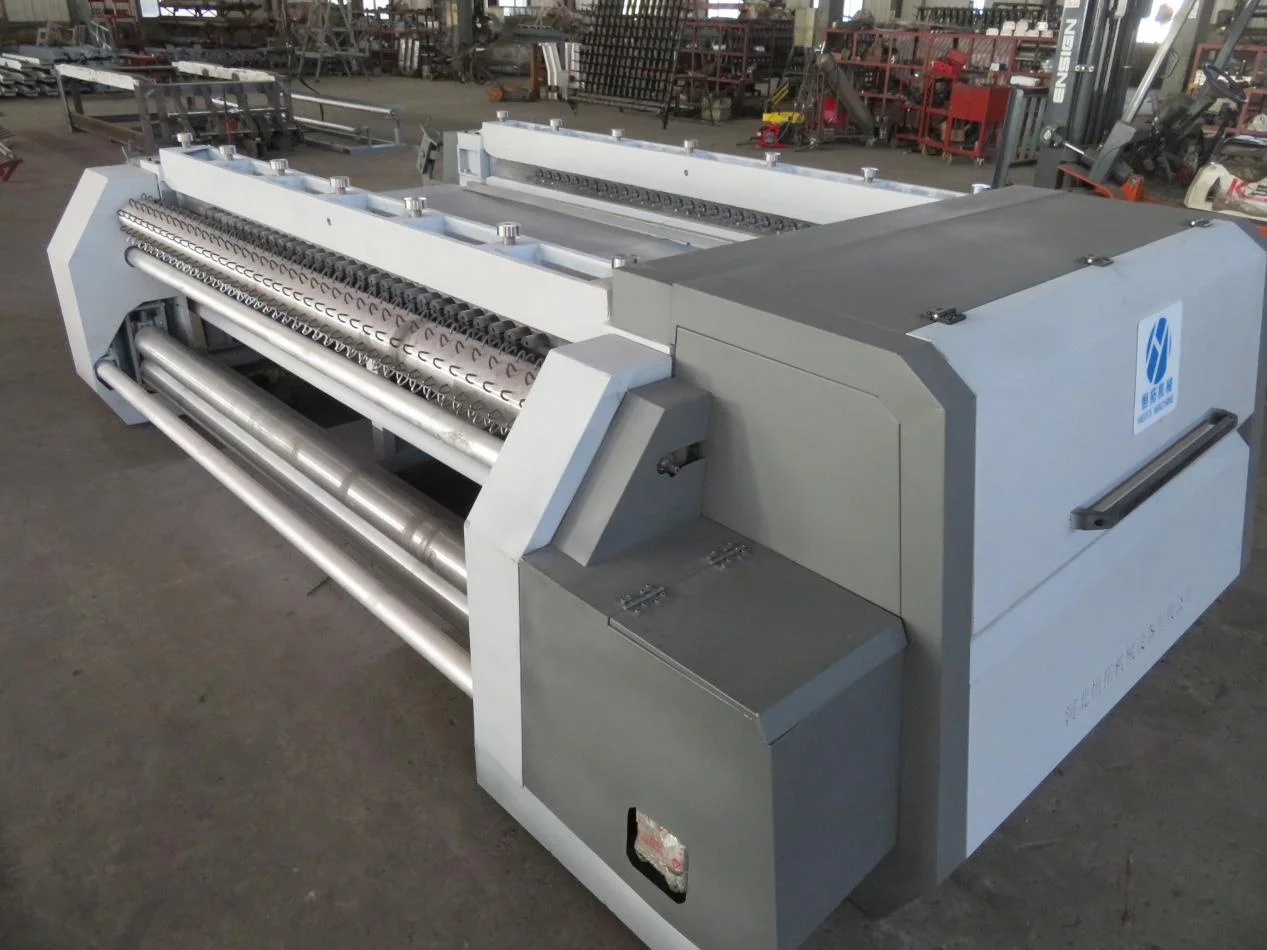
The fishing net machine price isn’t just tagged onto a fancy industrial product. It has real implications globally. For example, fishermen in Southeast Asia or West Africa—where fish make up a massive chunk of protein intake—depend on affordable, quality nets. The fishing net machine price influences accessibility and thus impacts local food supplies. On an industrial scale, production costs influence price points for commercial fleets. Trouble is, rising raw material costs, fluctuating labor rates, and tech upgrades constantly shift prices.
To add more context, according to a UN study (2), sustainable fisheries rely on efficient gear production, which ties closely with this machine cost. Yet, environmental regulations and demand for innovation can make net-making machinery more expensive. It’s a complex web of economics, technology, and environmental pressure.
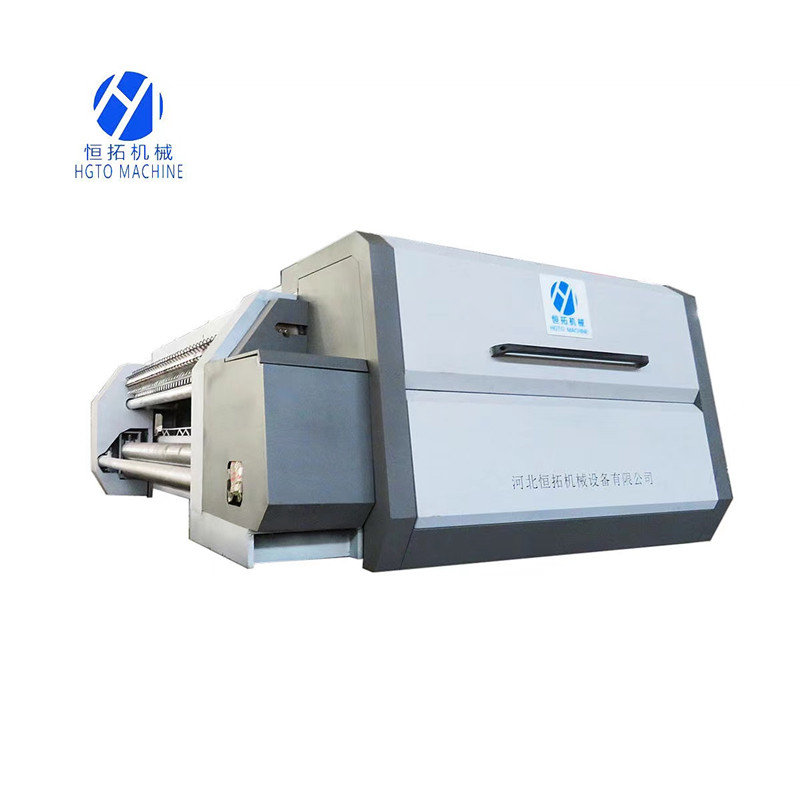
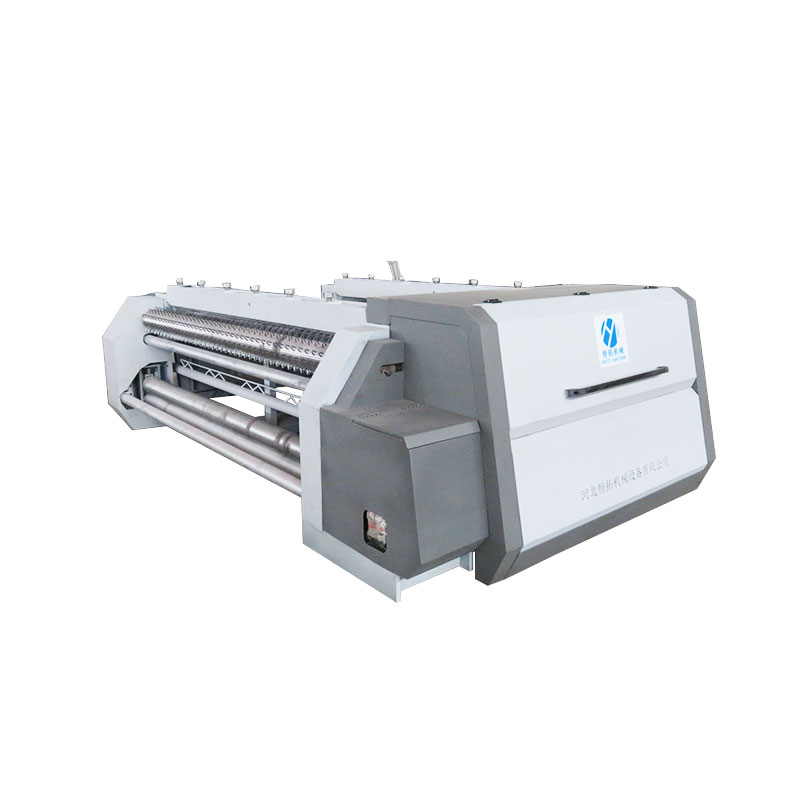
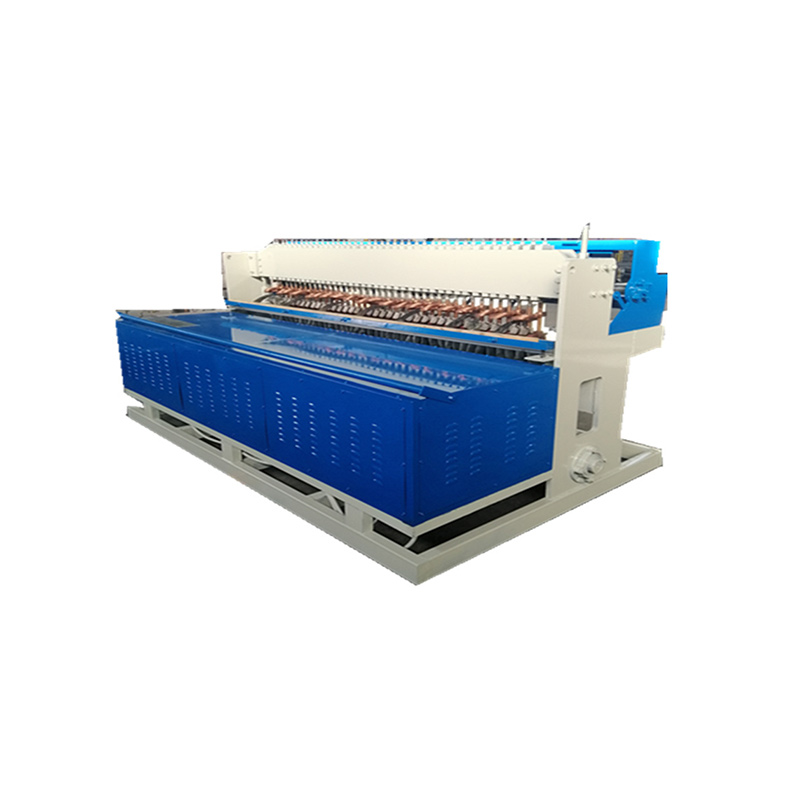
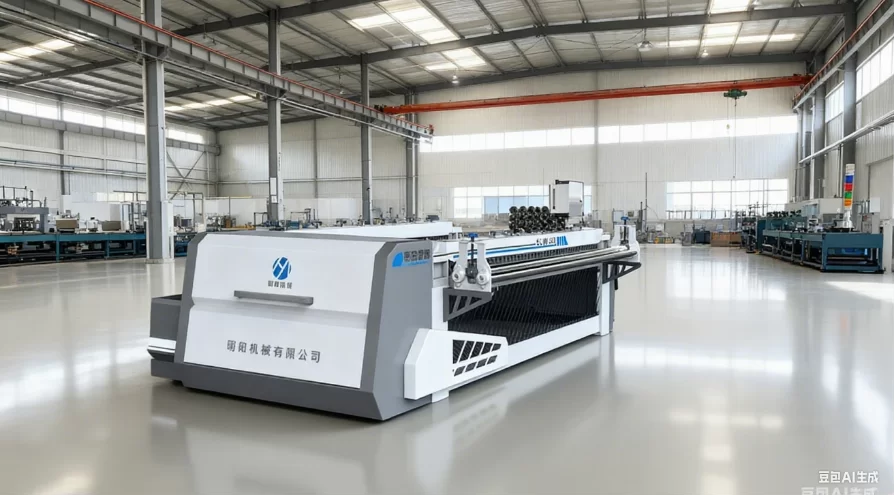
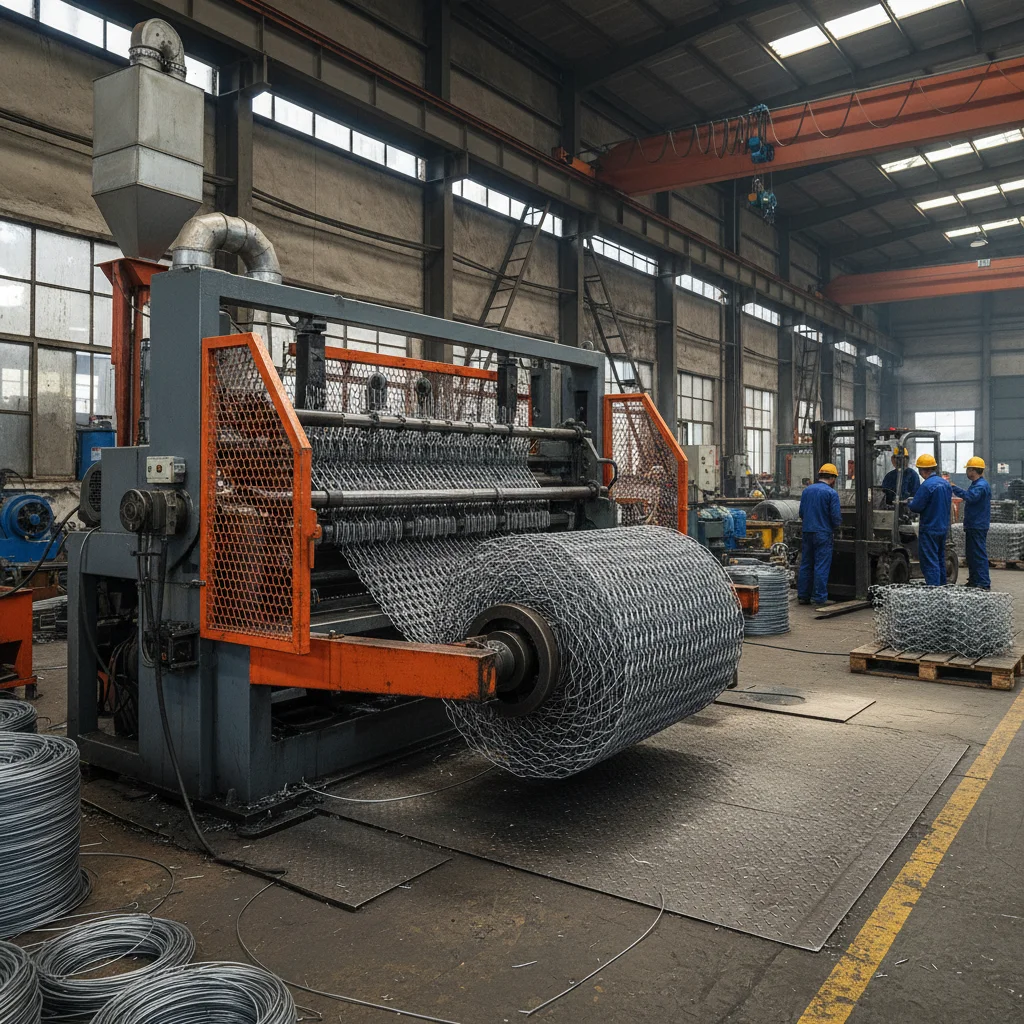
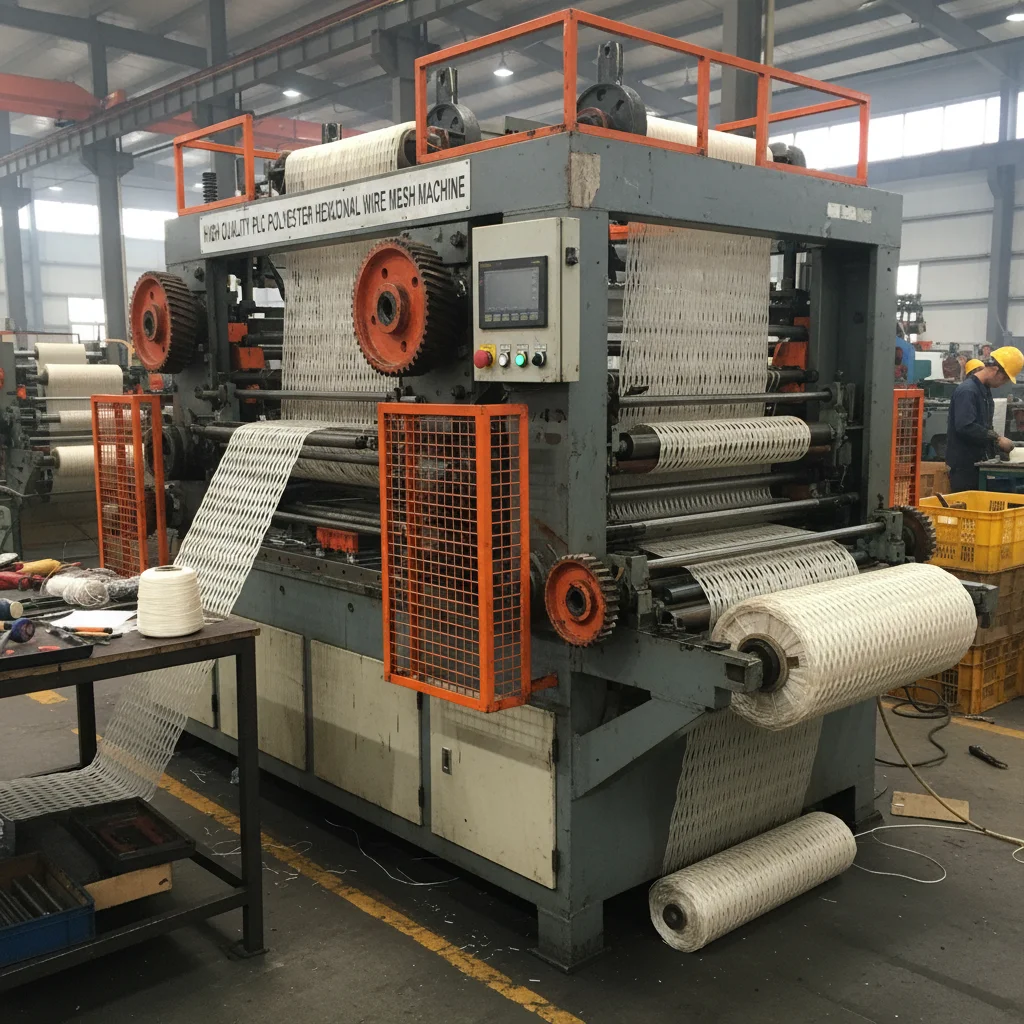
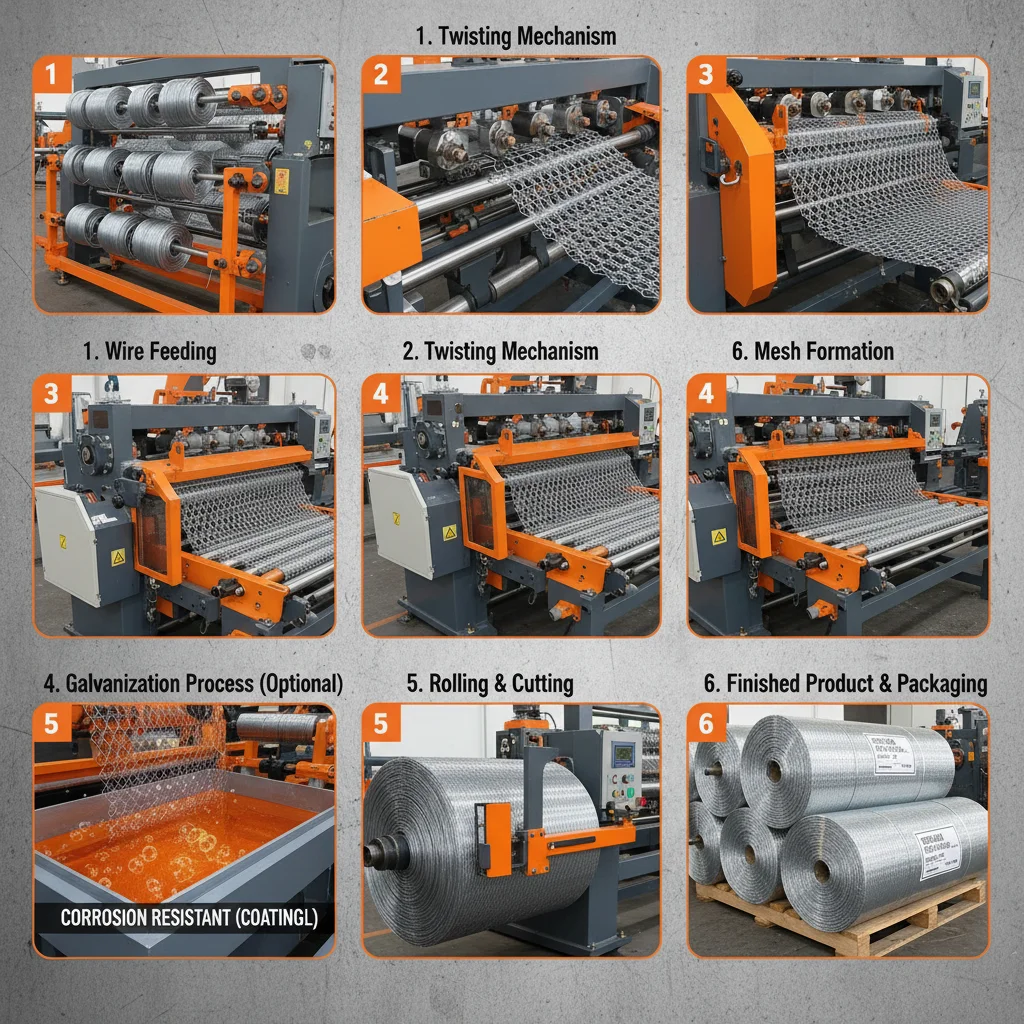
At its core, the fishing net machine price represents the cost to acquire or invest in automated or semi-automated machines designed to produce fishing nets. These machines vary from basic twine-knotting apparatuses to high-speed, computerized weaving systems. The price tag includes raw materials, technology integration, manufacturing, and often after-sale service.
In real terms, it’s about equipping producers—whether in small workshops or large factories—to churn out reliable nets. Those nets, in turn, find their way to fishers, humanitarian agencies, or even industrial buyers aiming for efficiency and sustainability.
The machine’s sophistication drastically affects the price. Old-fashioned manual machines can cost a few hundred dollars, while fully automated digital systems that optimize knitting speed and consistency cost thousands or more. Many engineers say investing in automation pays off over time, but upfront costs tend to be high.
Durability is king here. Machines built with stainless steel parts or advanced polymers hold up better in humid, corrosive factory settings. Higher quality materials push prices up but save operators money on downtime and repairs.
A machine that can produce thousands of meters of netting daily inevitably costs more, but it’s better suited to commercial needs. Small-scale fishers might opt for simpler models. The balance between scalability and price is tricky — manufacturers often customize machines for specific client budgets.
Oddly enough, where the machine is produced and where it’s shipped impacts the price sharply. Import taxes, tariffs, freight fees—the logistics chain can add 10–30% to the base price. This matters especially in remote regions where demand is high but local suppliers are few.
Some manufacturers include installation, training, and maintenance packages. This can be a real value-add or bump up the initial price substantially — but in long-term use, guarantees peace of mind.
Mini takeaway: The fishing net machine price is far more than a simple number. It’s a combination of tech, build, capacity, logistics, and service—each playing a role in the final figure.
In Southeast Asia, where fishing communities rely heavily on artisanal nets, affordable machines help sustain local economies. NGOs even deploy smaller, affordable models post-disaster to help fishing communities recover livelihoods—nets mean food, income, and dignity.
Across Europe’s commercial fisheries, industrial-grade machines enable rapid production to meet demand for sustainable, standardized gear, supporting ISO-certified fisheries that focus on environmental compliance (3). Meanwhile, African cooperatives combine machine-produced nets with training programs promoting responsible fishing.
Take a recent case in Indonesia: Small island communities received semi-automated net machines, drastically reducing the time needed to replace damaged nets. This translated to longer fishing days and better family incomes.
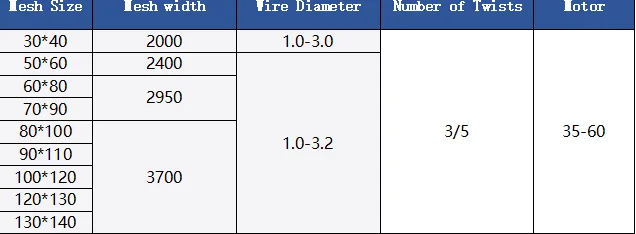
Good fishing net machines aren’t just equipment; they’re investments in reliability and future revenue. Lower maintenance requirements and consistent quality nets mean fewer lost fishing days, less waste, and greater trust from buyers and fishery managers. I often hear from manufacturers that the psychological relief of a dependable machine — knowing your nets won’t fail mid-season — is invaluable.
Plus, with growing sustainability mandates, newer machines often promote ways to use eco-friendly materials or reduce waste during net production. That’s cost-efficient and good for the planet.
Technologically, we’re seeing smart net machines with IoT sensors to monitor wear and tear, predict maintenance needs, and optimize energy consumption. Green energies, like solar-powered units, are beginning to make a mark in coastal zones with unreliable power grids.
Besides tech, concepts around circular economy and recycling fishing nets are expected to influence machine design—machines that can work with recycled fibers, perhaps. Such innovations could reshape the fishing net machine price for the better in upcoming years.
One major hurdle remains the affordability for small-scale producers. Though automation boosts output, it raises upfront costs. But some vendors now offer leasing or pay-per-use programs—helping operators access better machinery without breaking the bank.
Additionally, power supply in remote areas often disrupts operations. Portable generators or hybrid solar solutions are band-aids while infrastructure grows. Training is another often overlooked issue; machines can be complex, and many communities need hands-on support beyond manuals.
· Q: What affects the fishing net machine price the most?
A: Mainly technology sophistication, material quality, and production capacity. Automated machines with durable parts cost more upfront but save money long term.
· Q: Can I find affordable machines with decent quality?
A: Yes, budget semi-automatic machines priced around $3,000–$5,000 serve many small to medium producers well. Look for vendors offering warranties and training.
· Q: How does shipping impact the final price?
A: Significantly! Import duties, logistic fees, and delivery times can add 10%–30% to base prices, especially for coastal or remote regions.
· Q: Are newer fishing net machines environmentally friendly?
A: Many modern designs focus on energy efficiency and waste reduction. Emerging models also explore use of recycled materials in net production.
· Q: Where can I compare different machine prices and features?
A: Vendor websites like HT Mesh Machines offer detailed product specs and customer support info—a good place to start.
At first glance, the fishing net machine price feels like just another cost tag. But dig deeper, and it represents a crucial factor in the sustainability and profitability of the fishing industry worldwide. Understanding what influences these prices makes you appreciate the blend of technology, economics, and human stories behind each net that hits the water.
If you’re interested in exploring honest pricing and reliable products, take a closer look at options on HT Mesh Machines. It’s an investment that can ripple out—not just for business, but for community livelihoods and ecosystems.
Stay curious, and who knows? The next fishing net machine might be smarter, greener, and kinder than we’d imagined.
00001.