Hit enter to search or ESC to close
18 November 2025
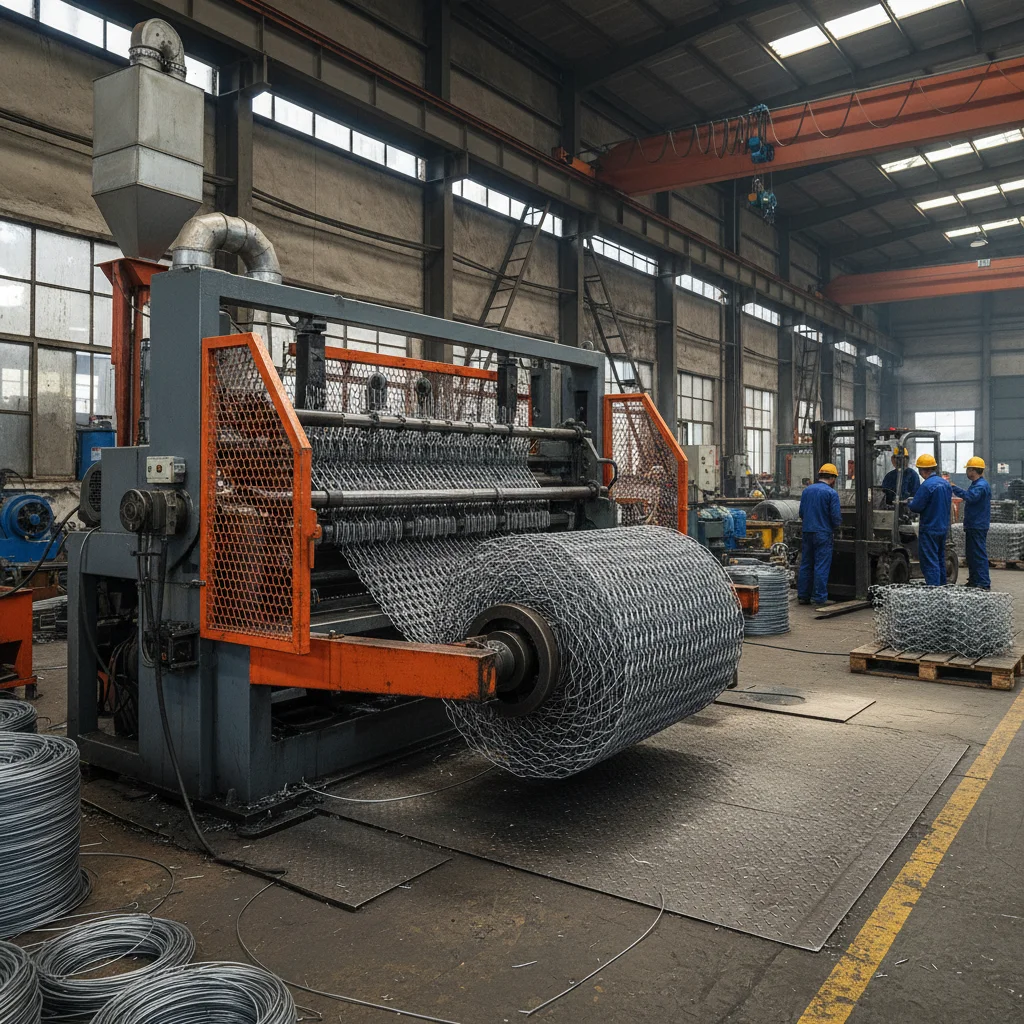
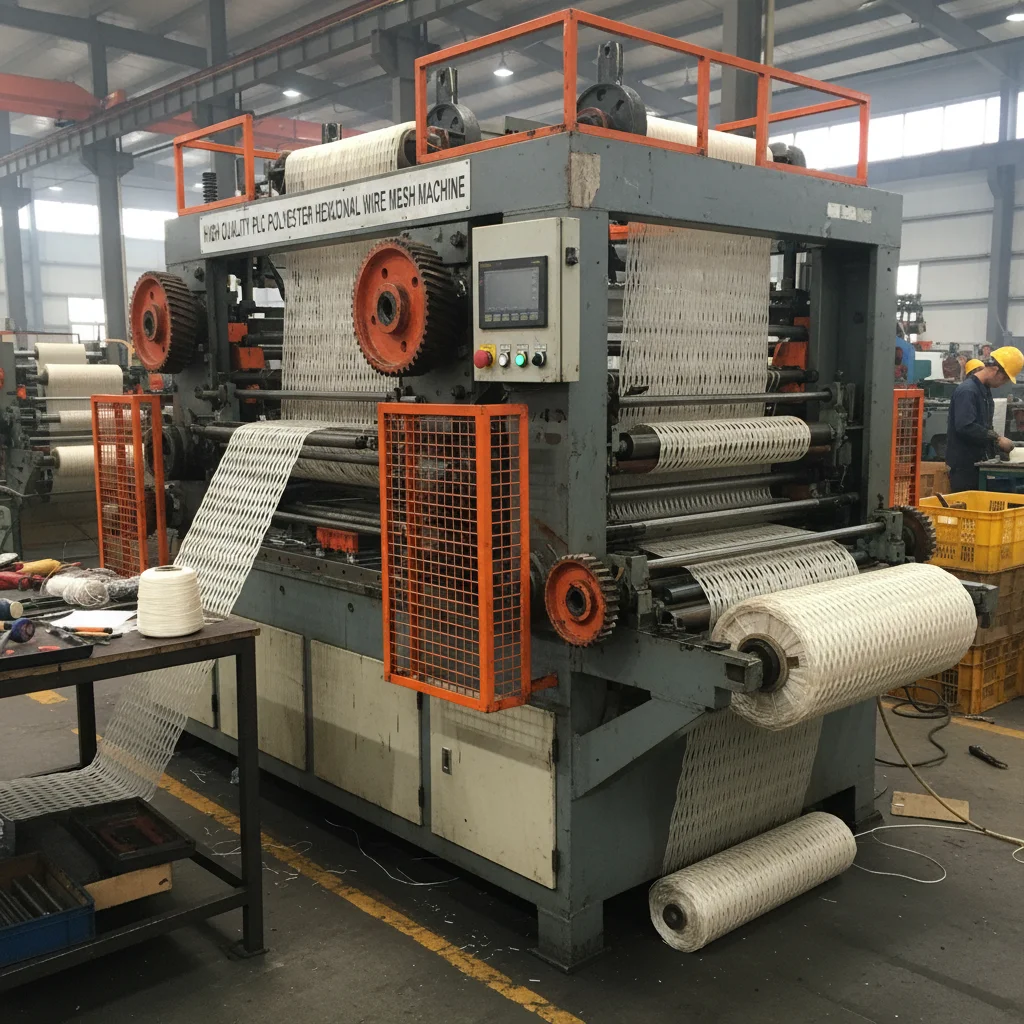
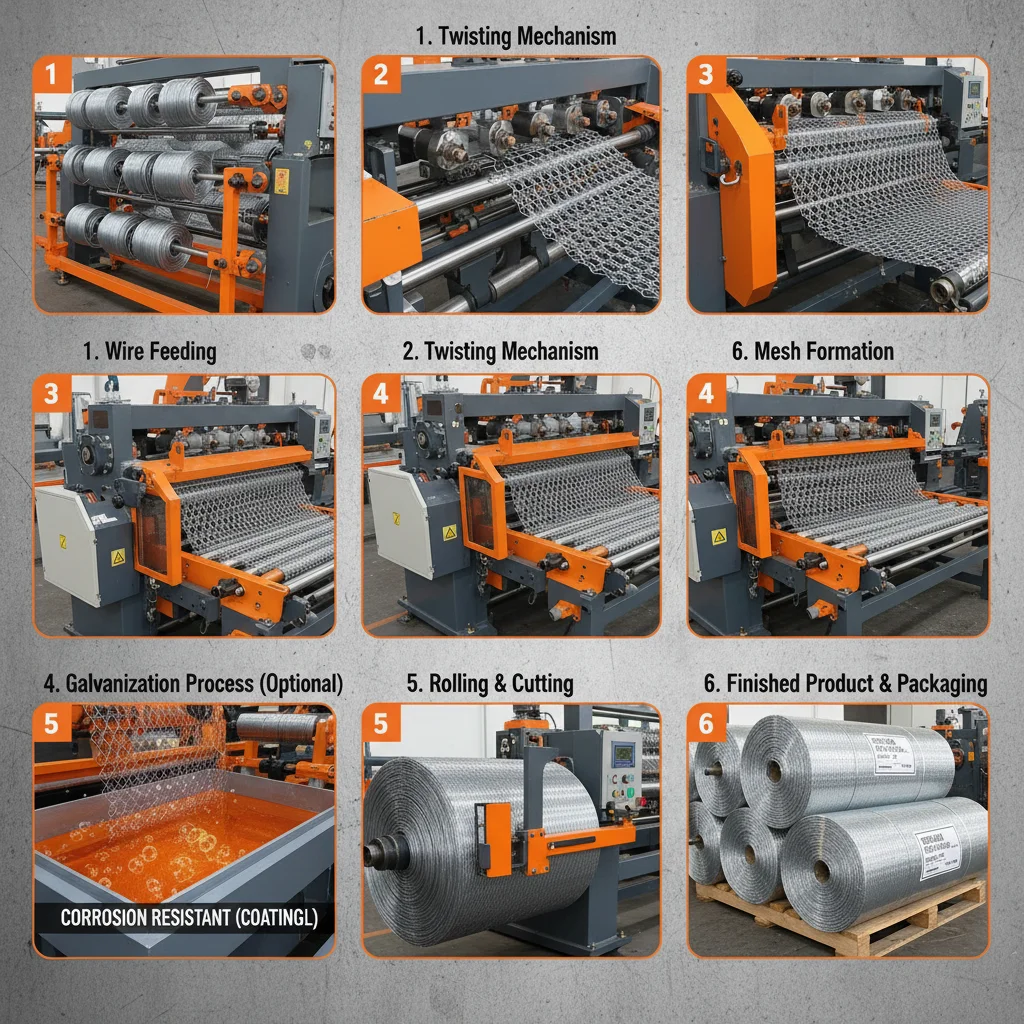
Fishing nets might not be the first thing on your mind when you think of global industry, but trust me, they matter a lot. Specifically, the knotless fishing net machine is quietly revolutionizing how fishing nets are made across the world — making this a vital technology for fisheries, environmentalists, and even humanitarian work. Why does this matter? Simply put, fishing nets produced without knots reduce damage to marine life and last longer, saving resources and livelihoods on a massive scale. Getting to grips with how a knotless fishing net machine works means understanding a piece of technology that can impact sustainable fishing, coastal communities, and global food security.
Mini Takeaway: The knotless fishing net machine plays a crucial role in enhancing sustainability and efficiency in the fishing industry worldwide.
Fishing is an industry deeply embedded in the economies of many coastal nations. According to the United Nations Food and Agriculture Organization (FAO), approximately 200 million people worldwide rely directly on fisheries for their livelihood. However, challenges like overfishing, marine pollution, and inefficient gear threaten both biodiversity and income.
Knotless fishing net machines respond to these issues by producing nets that are smoother, more resistant to wear, and less harmful to fish and other species. While traditional knotted nets can snag, degrade rapidly, and even trap non-target species, knotless nets improve selectivity and durability. In real terms, it’s not just a production upgrade — it’s a response to growing ecological and economic demands placed on the fishing sector.
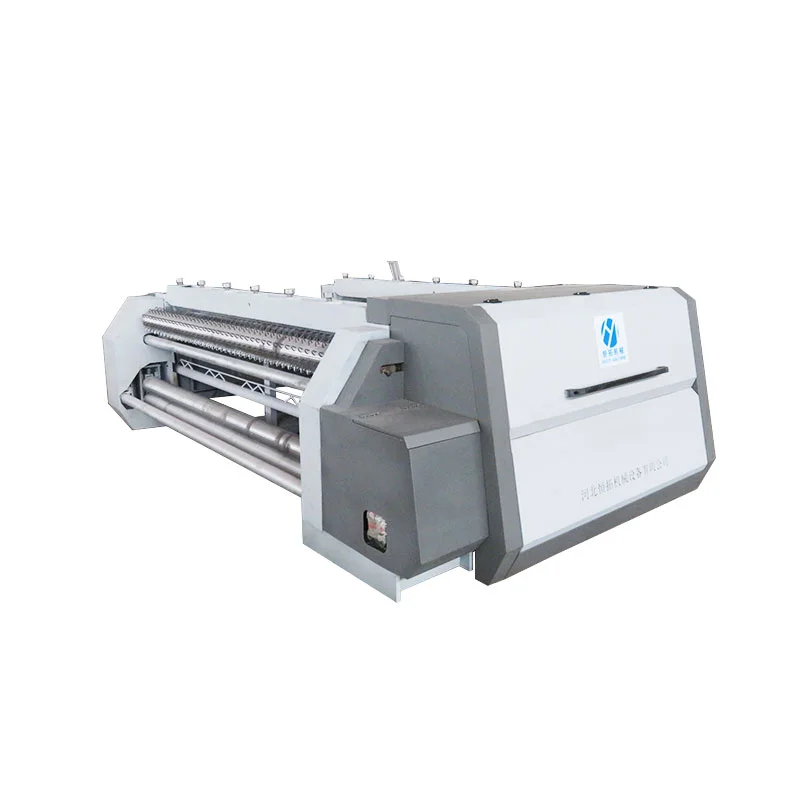
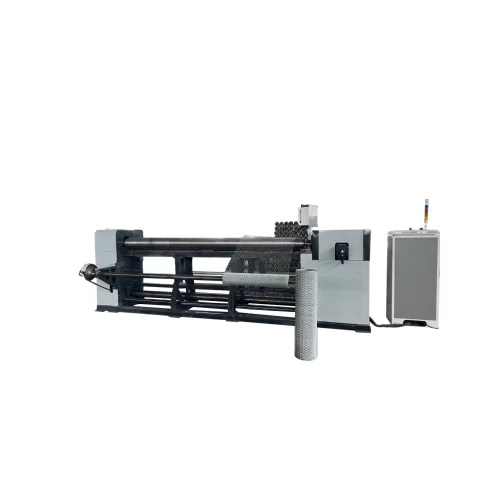
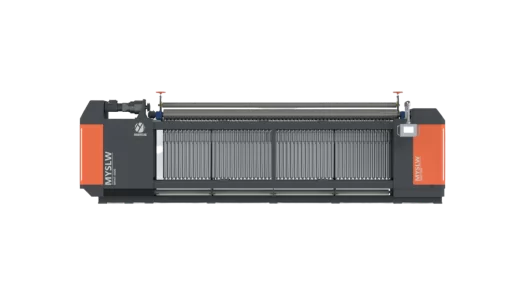
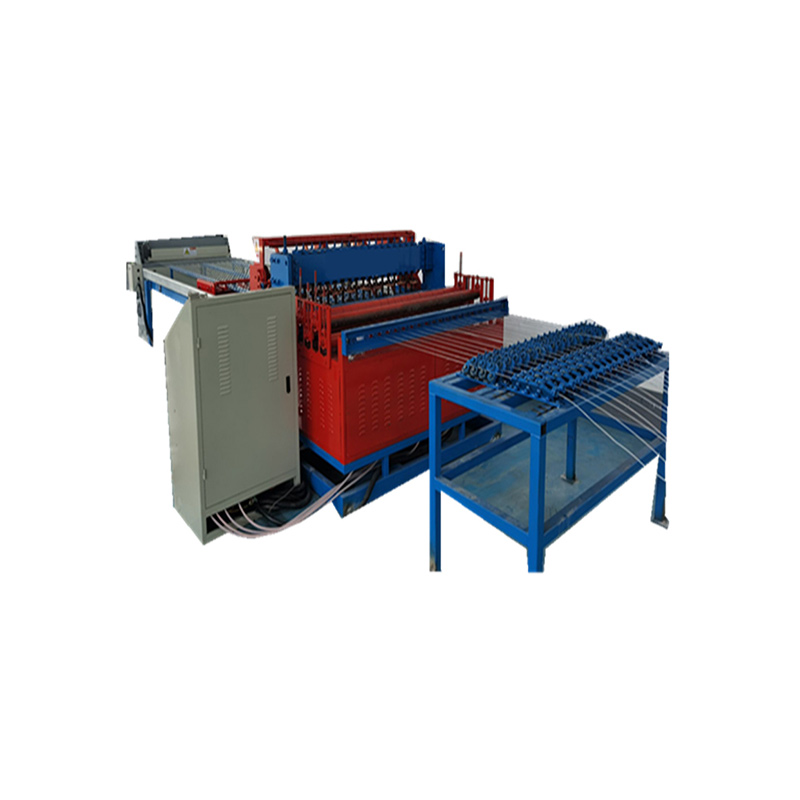
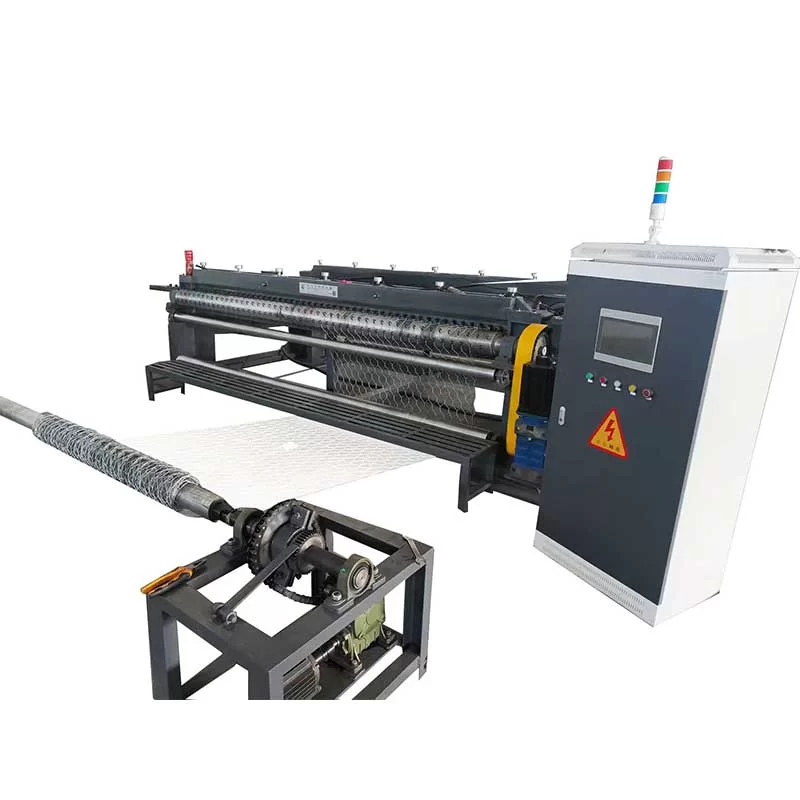
Put simply, a knotless fishing net machine is specialized equipment designed to weave nets without the typical knots found in conventional fishing nets. Instead of knotting, this machine uses weaving or weaving-like techniques to interlock the threads, creating a net that is both lightweight and robust. This kind of net reduces hand fatigue for fishermen and minimizes harm to fish, especially valuable for sustainable fishing practices.
In humanitarian settings — like coastal disaster relief or refugee camps relying on fishing as a livelihood — knotless nets provide a reliable tool that supports food security and economic stability. They’re simpler to repair, and their longevity reduces waste, which again ties back to long-term sustainability goals.
The knotless method eliminates stress points inherent to knots, making the net more resistant to wear and tear. Materials like polyester blend well with this weaving, and the machine calibrates tension to optimize strength without sacrificing flexibility.
Modern knotless fishing net machines can scale production from small artisanal sizes to industrial demands. The automated processes allow manufacturers to produce nets rapidly without quality compromises — an essential factor for regions where demand fluctuates with seasons.
By avoiding knots, these nets use less raw material for equivalent coverage. That’s a subtle but important saving. Additionally, their longer lifespan reduces the frequency of net replacement, lowering operational costs and environmental waste.
Machines offer adjustable mesh sizes, thread densities, and net widths tailored to target fish species or local regulations. This adaptability can be crucial depending on whether you’re fishing in deep ocean waters, coastal areas, or freshwater zones.
Knotless nets are smoother, so fishermen experience less snagging and hand strain. This also means reduced hazards during net repair or deployment — something many overlook until they’ve been fishing all day with rough nets.
Mini Takeaway: The knotless fishing net machine blends advanced design and practical demands, focusing on durability, speed, and safety.
· Asia-Pacific: Many coastal communities here use knotless nets for small-scale fisheries. Countries like Indonesia and the Philippines have supported local industries in adopting this tech, directly improving income and sustainability.
· West Africa: In regions like Senegal and Ghana, knotless nets have enhanced freshwater fishing operations, improving yields and reducing environmental impact.
· Europe: Commercial fleets increasingly adopt knotless nets to meet stringent EU regulations on sustainable fishing gear.
· Humanitarian Deployments: After tsunamis or hurricanes, fishing often resumes quickly with nets made on these machines, providing vital resources when other food supplies are disrupted.
For instance, a fisheries cooperative in Thailand switched to twin-needle knotless nets using equipment supplied by a leading manufacturer. They reported a 20% boost in catch efficiency and a 30% reduction in net replacements over two years.
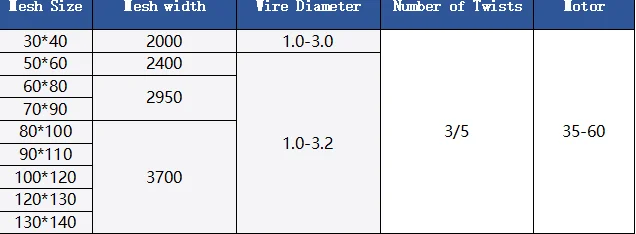
Can be customized according to needs
In a nutshell, knotless fishing nets last longer and cause less harm. From the fisherman’s point of view, this means fewer replacements, less hassle, and smoother operation. From an ecological perspective, it means fewer marine species injured or trapped unnaturally, fostering healthier ecosystems. On the cost side, the savings cumulatively reduce pressure on fishermen and suppliers alike.
Plus, the technical innovation lends a kind of pride to fishers and entrepreneurs committed to sustainable practices. There is something reassuring about using a tool that’s been thoughtfully engineered to preserve your livelihood and local waters.
Frankly, innovation in this field isn’t standing still. Advances in biodegradable net materials promise to reduce abandoned net pollution — often called “ghost nets.” Also, the integration of sensors and IoT-enabled monitoring devices within nets helps track catch data and net integrity in real time. Robotics and automation processes are refining production speeds and quality checks.
Governments and NGOs increasingly push policies and subsidies favoring knotless net adoption, especially given commitments to Sustainable Development Goals (SDGs). For manufacturers, it’s an exciting time to be on the cutting edge.
Though knotless fishing net machines bring tons of benefits, they do face hurdles. Initial equipment cost can be daunting for small-scale fishermen. The learning curve to operate these machines efficiently may slow adoption. Also, raw material compatibility and local repair facilities influence overall net quality.
Experts recommend partnerships between manufacturers and fishing communities, offering leases and training to bridge these gaps. Modular machine designs simplify maintenance, and localized production hubs reduce costs and downtime. It feels similar to many industries where tech replaces tradition but needs real-world patience and collaboration to thrive.
Q1: How does a knotless fishing net machine improve fishing efficiency?
A1: By eliminating knots, the machine produces nets that are lighter and less prone to snagging, allowing smoother casting and retrieval. This enhances catch rates and reduces time spent on net repairs.
Q2: Are knotless nets more environmentally friendly?
A2: Yes, they reduce accidental harm to non-target marine species and last longer, decreasing pollution from discarded nets. When combined with biodegradable materials, the environmental impact is minimized even further.
Q3: Can small-scale fishermen afford these machines?
A3: While initial costs can be high, leasing options and community workshops often help small operators access this technology. Moreover, the long-term savings on net replacements offset upfront investments.
Q4: How customizable are the nets made by these machines?
A4: Very customizable. Mesh sizes, net width, thread materials, and weaving speed can all be adjusted to suit specific fishing needs or regulatory restrictions.
Q5: Where can I buy a reliable knotless fishing net machine?
A5: Reputable manufacturers like HT Mesh Machines offer reliable knotless fishing net machines with after-sales support and customization options.
Knotless fishing net machines are more than clever tools — they are a bridge to sustainable fishing, technological innovation, and economic resilience for countless communities. Their impressive longevity, ecological benefits, and adaptability put them ahead of many traditional nets. If you’re involved in the fishing industry or supply chains, investing attention and resources here is smart business and, frankly, just the right thing to do.
Feeling inspired? Visit https://www.htmeshmachines.com to explore your options and see how knotless fishing net machines can transform your operations.
Mini Takeaway: Modern knotless fishing net machines embody sustainability, efficiency, and social impact — a technology well worth knowing.
00001. FAO Fisheries and Aquaculture Department
00002. Wikipedia: Fishing Net
00003. United Nations Sustainable Development Goals