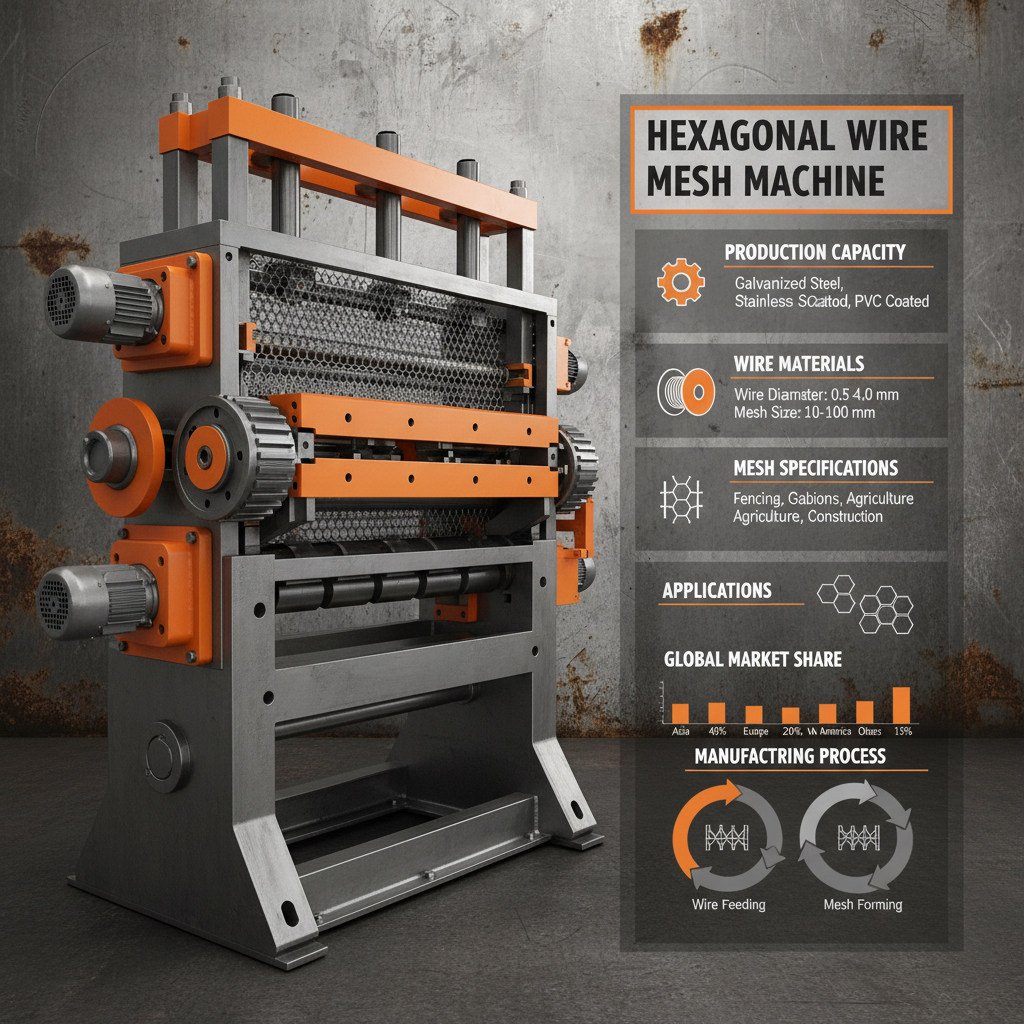
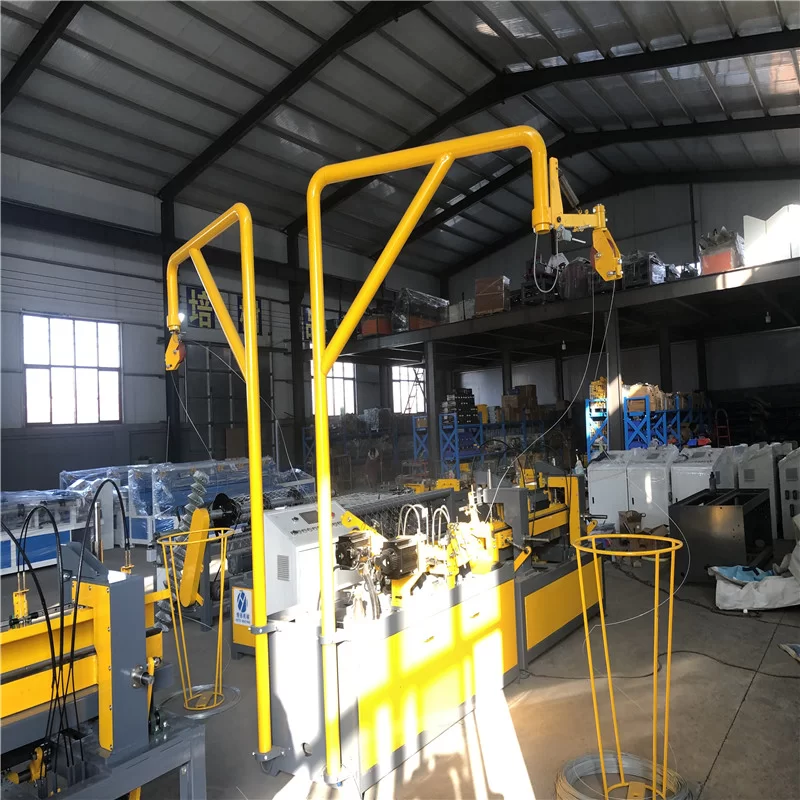
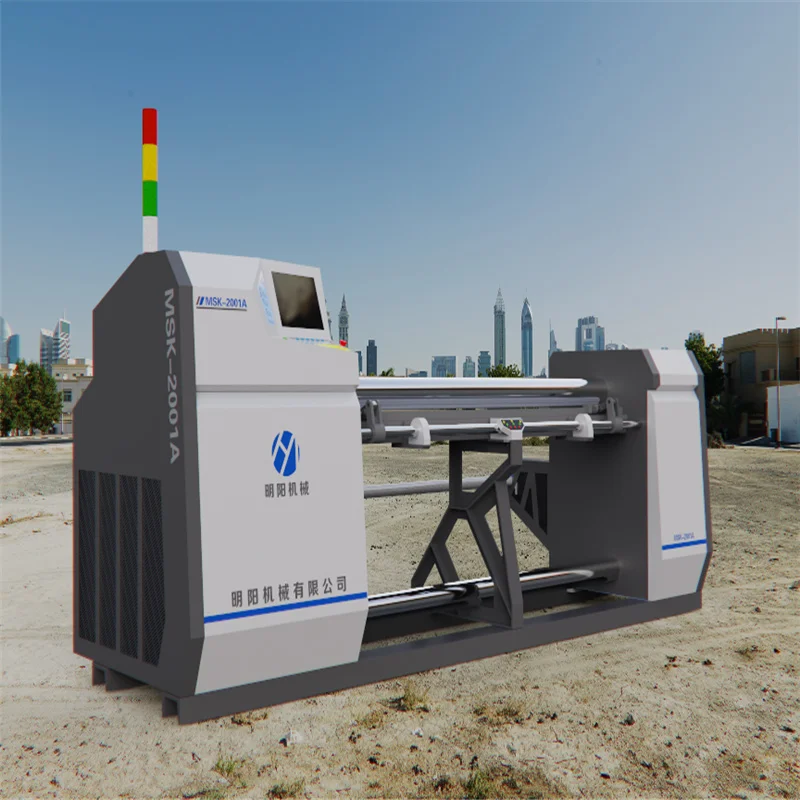
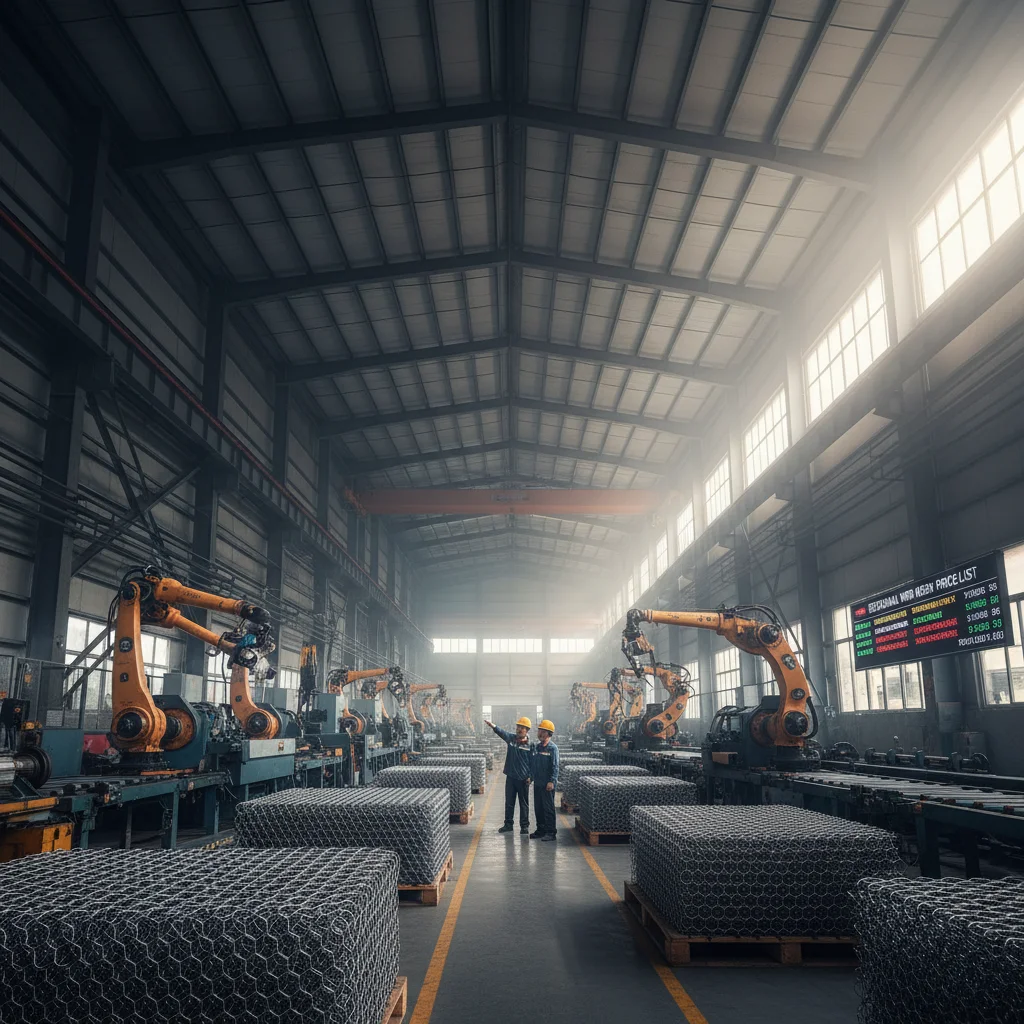
The global demand for versatile fencing and containment solutions has led to the widespread adoption of the hexagonal wire mesh machine, a cornerstone of modern wire processing. These machines allow for the creation of "chicken wire" or honeycomb mesh, which is prized for its flexibility, lightweight nature, and structural stability. Understanding the mechanics and capabilities of this equipment is essential for manufacturers aiming to optimize production efficiency and product quality.
From an industrial perspective, the hexagonal wire mesh machine bridges the gap between raw galvanized wire and essential infrastructure components used in agriculture, construction, and erosion control. By automating the twisting and weaving process, these machines ensure a consistent aperture size and tension, which are critical for the mesh's performance in the field.
Whether you are expanding a factory's capacity or starting a new venture in the wire mesh sector, investing in a high-performance hexagonal wire mesh machine offers a strategic advantage. This guide explores the technical nuances, global applications, and future innovations that define the current state of hexagonal mesh production.
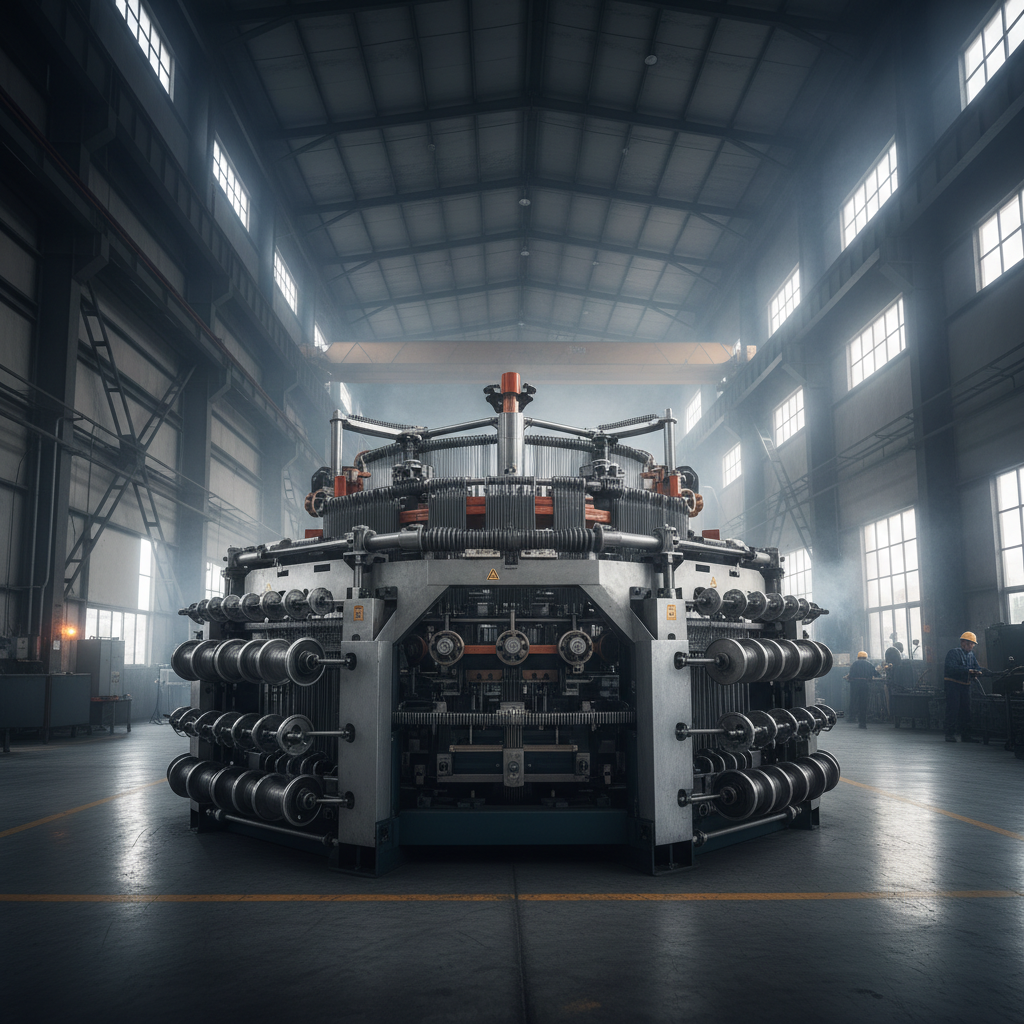
The Global Industrial Context of Hexagonal Wire Mesh Machines
On a global scale, the infrastructure and agricultural sectors rely heavily on the output of the hexagonal wire mesh machine. According to industry trends aligned with ISO standards for wire products, the demand for lightweight yet durable fencing has surged in developing economies, where cost-effective livestock management is a priority. These machines address the challenge of producing large volumes of mesh that can be easily transported and installed in rugged terrains.
Furthermore, the rise of sustainable landscaping and bio-engineering has repositioned the hexagonal wire mesh machine as a tool for environmental protection. By creating gabion-style precursors and erosion control nets, these machines help stabilize slopes and riverbanks worldwide, proving that industrial machinery can play a pivotal role in ecological preservation.
Defining the Hexagonal Wire Mesh Machine and Its Purpose
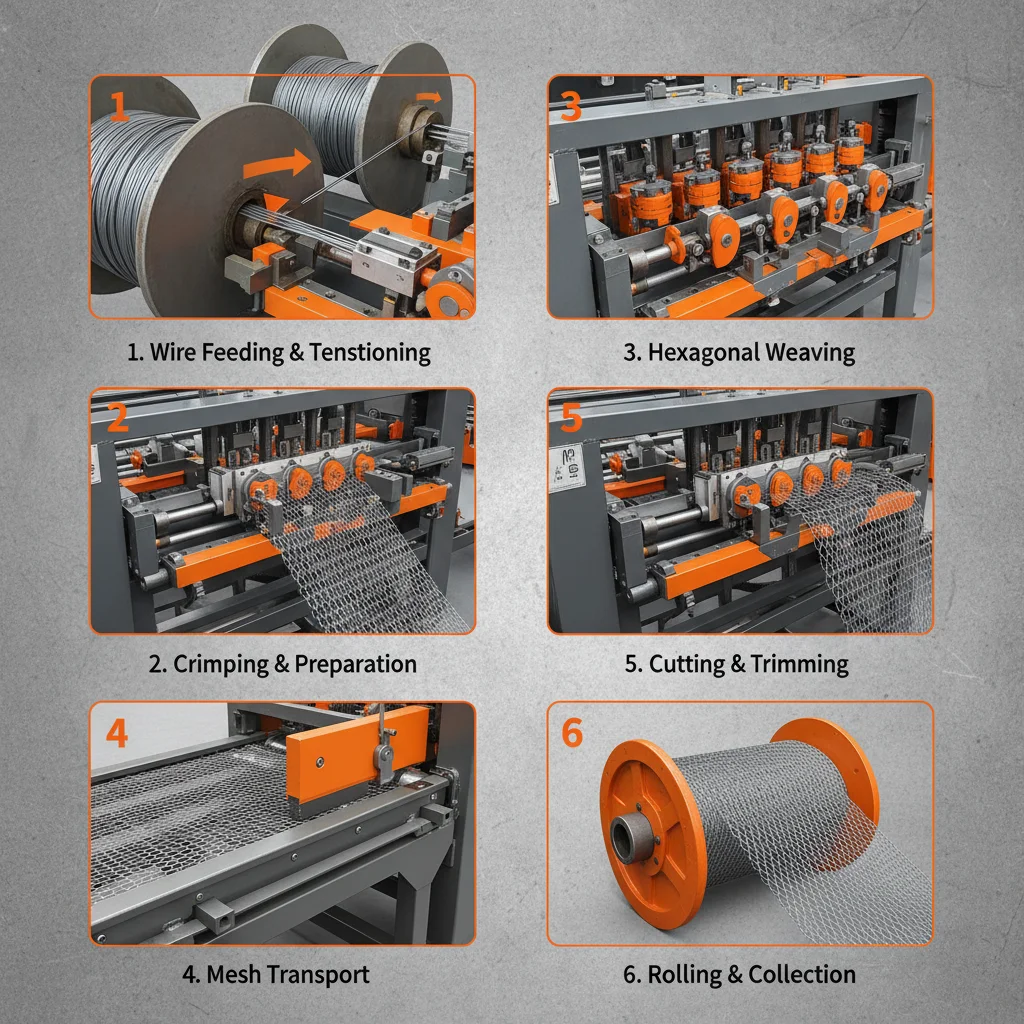
In simple technical terms, a hexagonal wire mesh machine is a specialized piece of industrial equipment designed to twist and weave metal wire into a repeating pattern of hexagonal cells. Unlike square welded mesh, the hexagonal structure is created through a mechanical twisting process that allows the mesh to be stretched or compressed without losing its structural integrity, making it an ideal solution for irregular surfaces.
The purpose of this machinery extends beyond simple fencing. It serves a critical humanitarian and industrial need by providing affordable, scalable barriers for animal husbandry and temporary site security. The ability to adjust the mesh size and wire gauge allows manufacturers to tailor the product for everything from delicate poultry enclosures to heavy-duty industrial filters.
Modern iterations of the hexagonal wire mesh machine emphasize automation, reducing the need for manual intervention and significantly lowering the error rate in wire tensioning. This evolution ensures that the final product meets strict international quality benchmarks, ensuring safety and longevity for the end-user.
Core Components for High-Performance Production
The durability of a hexagonal wire mesh machine depends heavily on its core mechanical components. High-grade alloy steel gears and precision-machined rollers are essential to prevent wear and tear during high-speed operation, ensuring that the hexagonal cells remain uniform across thousands of meters of production.
Scalability in production is achieved through the integration of advanced feeding systems. A top-tier hexagonal wire mesh machine utilizes synchronized tension control mechanisms that prevent wire breakage, allowing operators to switch between different wire diameters with minimal downtime.
Cost efficiency is further enhanced by the machine's energy-saving motors and optimized lubrication systems. By reducing frictional losses and power consumption, the hexagonal wire mesh machine allows manufacturers to maintain high output levels while keeping operational overheads low.
Operational Efficiency and Technical Metrics
To evaluate the performance of a hexagonal wire mesh machine, one must look at the balance between speed, tension accuracy, and waste reduction. High-efficiency machines are characterized by their ability to maintain a constant pitch and aperture size, even when processing different grades of galvanized or PVC-coated wire.
The following data illustrates the comparative performance of different configurations of the hexagonal wire mesh machine based on industry benchmarks.
Efficiency Analysis of Hexagonal Wire Mesh Machine Models
Global Applications and Diverse Use Cases
The output of a hexagonal wire mesh machine finds application in virtually every continent. In North America and Europe, these meshes are frequently used for high-end poultry farming and garden protection. Meanwhile, in Southeast Asia and Africa, the mesh produced by these machines is vital for creating affordable livestock pens and securing rural boundaries against predators.
Beyond agriculture, the industrial application of hexagonal wire mesh machine products is evident in civil engineering. In remote industrial zones, hexagonal mesh is used to reinforce soil and prevent landslides in mountainous regions. The flexibility of the mesh allows it to contour to the natural shape of the land, providing a stable foundation for vegetation to grow and naturally bind the soil.
Long-term Value and Sustainability Benefits
Investing in a high-quality hexagonal wire mesh machine provides long-term economic value through the reduction of material waste. By optimizing the weaving path and ensuring precise twists, these machines minimize the amount of scrap wire produced per roll, which directly translates to higher profit margins and a smaller environmental footprint.
From a social impact perspective, the accessibility of the products made by a hexagonal wire mesh machine fosters local economic growth. Small-scale manufacturers can deploy these machines to provide local communities with affordable fencing solutions, reducing the reliance on expensive imports and creating jobs in regional industrial hubs.
Furthermore, the shift toward using recyclable galvanized steel in the hexagonal wire mesh machine process aligns with global sustainability goals. The resulting products are durable, long-lasting, and fully recyclable at the end of their lifecycle, contributing to a circular economy in the metallurgy and construction sectors.
Future Trends in Hexagonal Mesh Automation
The future of the hexagonal wire mesh machine lies in the integration of Industry 4.0 technologies. We are seeing a transition toward PLC-controlled systems that allow for real-time monitoring of wire tension and speed. This digital transformation enables predictive maintenance, where sensors can alert operators to potential component failure before it causes costly downtime.
Another emerging trend is the exploration of new materials. The next generation of hexagonal wire mesh machine designs are being optimized to handle composite fibers and advanced polymer-coated wires. This will expand the mesh's application into highly corrosive environments, such as offshore platforms or chemical processing plants, where traditional steel would fail.
Finally, automation in the winding and packaging phase is streamlining the entire supply chain. Modern hexagonal wire mesh machine lines are now being paired with automatic rolling and strapping units, creating a seamless transition from raw wire to market-ready product.
Technical Analysis of Hexagonal Wire Mesh Machine Variations
| Machine Model |
Production Speed |
Wire Range (mm) |
Automation Level |
| Standard-H1 |
15-20 m/min |
1.2 - 2.5 |
Semi-Automatic |
| Eco-Weave X2 |
25-30 m/min |
1.0 - 3.0 |
Automatic |
| Industrial Pro-S |
40-50 m/min |
2.0 - 4.0 |
Fully PLC-Controlled |
| Precision-Light |
10-15 m/min |
0.5 - 1.5 |
Manual/Semi-Auto |
| Heavy-Duty G4 |
30-35 m/min |
3.0 - 6.0 |
Automatic |
| Smart-Mesh 2024 |
55+ m/min |
1.0 - 3.5 |
AI-Integrated |
FAQS
A hexagonal wire mesh machine uses a twisting and weaving process to create a flexible, interlocking honeycomb structure without the use of heat or welding. In contrast, welded mesh machines use electrical resistance welding to fuse perpendicular wires together, resulting in a rigid, non-flexible grid. The hexagonal version is preferred for applications requiring flexibility and ease of contouring.
Yes, most professional-grade machines allow for adjustable aperture sizes. This is typically achieved by changing the rollers or adjusting the tension and feed settings. Depending on the model, some may require a complete change of the weaving head to switch between significantly different mesh sizes, while others offer a range of adjustments via a control panel.
While galvanized steel wire is the most common material, many machines can process PVC-coated wire, stainless steel, and certain high-strength alloy wires. The key is ensuring the wire's tensile strength and diameter are within the machine's specified operating range to avoid breakage or excessive wear on the rollers.
Daily lubrication of the moving parts and weekly inspections of the twisting heads are recommended. To maintain the precision of the hexagonal cells, the rollers should be checked for wear every 500-1000 operating hours. Regular maintenance prevents "slippage," which can cause irregular mesh patterns and reduce the overall quality of the product.
Modern machines are designed with high-efficiency motors and optimized gear ratios to minimize energy consumption. For small factories, choosing a semi-automatic or a compact automatic model can significantly lower electricity costs while maintaining a production output that meets local market demands.
With proper maintenance and the use of high-quality raw materials, an industrial-grade machine can last between 10 to 20 years. The most critical components, such as the twisting rollers, are replaceable, meaning the main chassis and drive system can remain operational for decades if kept in a clean, dry environment.
Conclusion
The hexagonal wire mesh machine remains an indispensable asset in the global manufacturing landscape, blending traditional weaving principles with modern automation. By providing a scalable, flexible, and cost-effective method for producing high-quality honeycomb mesh, it supports critical industries from agriculture and civil engineering to environmental conservation. The synergy of precision engineering and material versatility ensures that this machinery continues to meet the evolving needs of the market.
As we look toward the future, the integration of AI-driven monitoring and eco-friendly materials will further enhance the efficiency and sustainability of mesh production. For businesses seeking to enter or expand in this sector, prioritizing a machine that offers a balance of speed, durability, and ease of maintenance is the key to long-term success. We invite you to explore the latest advancements in weaving technology to optimize your production line. Visit our website: www.htmeshmachines.com