Hit enter to search or ESC to close
The global demand for sustainable erosion control and civil engineering solutions has catapulted the gabion wire mesh machine into the spotlight of industrial manufacturing. As urban centers expand into fragile landscapes and climate change increases the frequency of landslides, the ability to produce high-quality, durable gabion baskets at scale has become a critical necessity for infrastructure stability.
Understanding the mechanics of a gabion wire mesh machine allows manufacturers to optimize production speed while maintaining the rigorous structural integrity required for heavy-duty retaining walls. By automating the weaving process, these machines transform raw galvanized or PVC-coated wire into flexible, permeable cages that can withstand immense pressure from soil and water.
Investing in advanced machinery not only reduces labor costs but also ensures that the resulting mesh meets international ISO standards for tensile strength and corrosion resistance. For stakeholders in the construction and environmental sectors, the efficiency of the gabion wire mesh machine is the foundation upon which safer bridges, more stable riverbanks, and sustainable coastal defenses are built.
In the current global landscape, the role of the gabion wire mesh machine extends far beyond simple factory output. With the World Bank and various UN environmental initiatives emphasizing the need for "green infrastructure," the demand for gabions—rock-filled wire baskets—has surged. These systems are essential for preventing soil erosion and managing floodwaters in regions prone to extreme weather, making the machinery that produces them a cornerstone of climate resilience.
The industrial shift toward automated gabion wire mesh machine technology addresses the critical challenge of labor shortages and the need for precision. Manual weaving cannot match the consistency required for large-scale government tenders, where every mesh joint must withstand specific pressure loads. Consequently, the integration of high-speed weaving technology has allowed developing nations to build durable infrastructure more affordably.
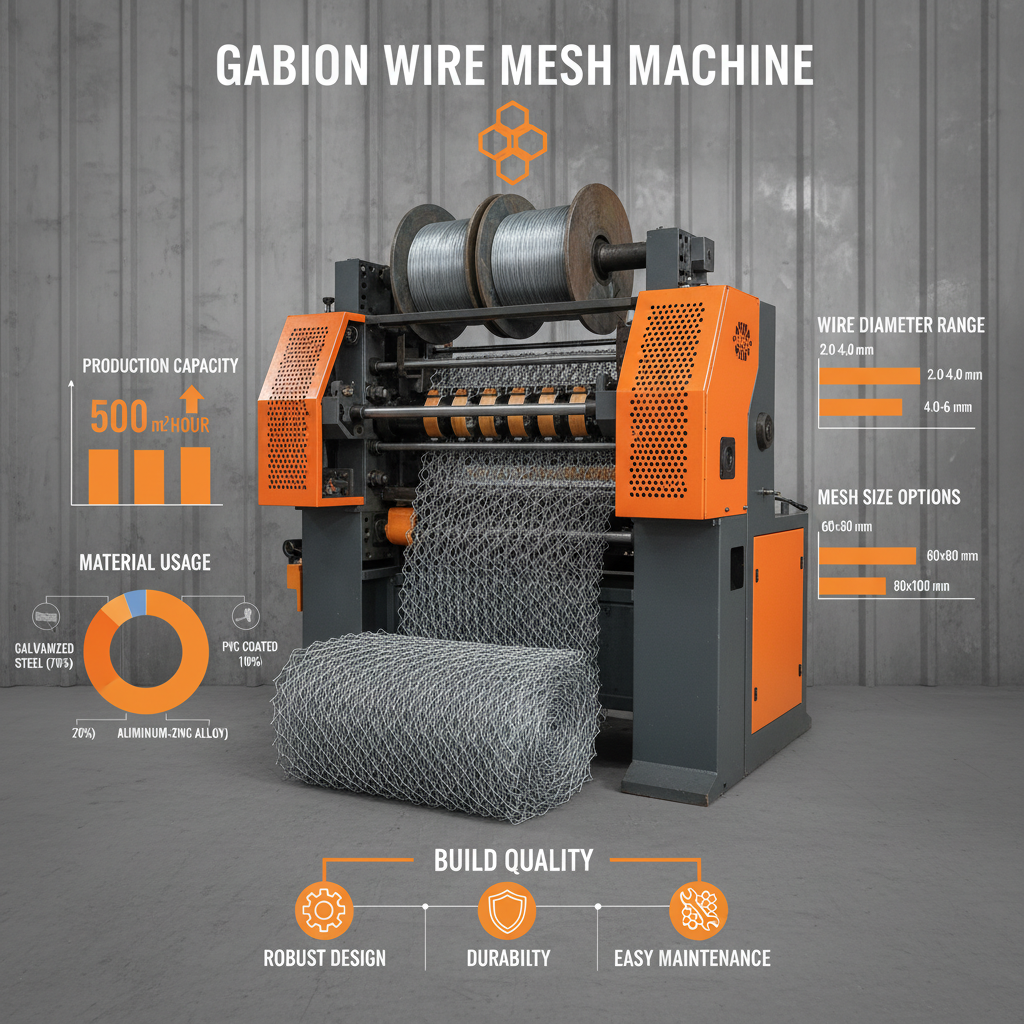
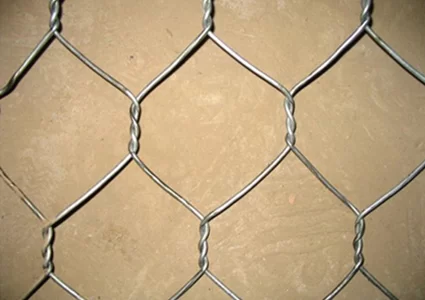
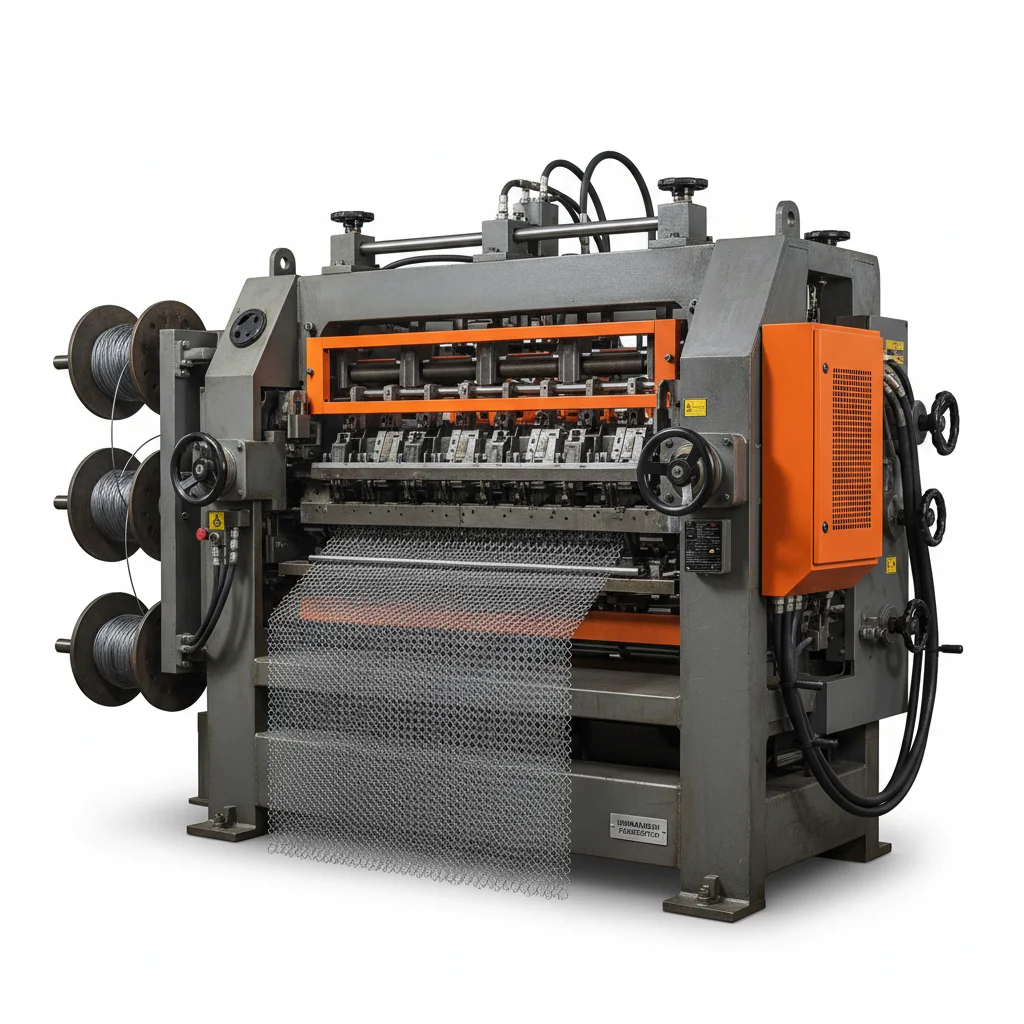
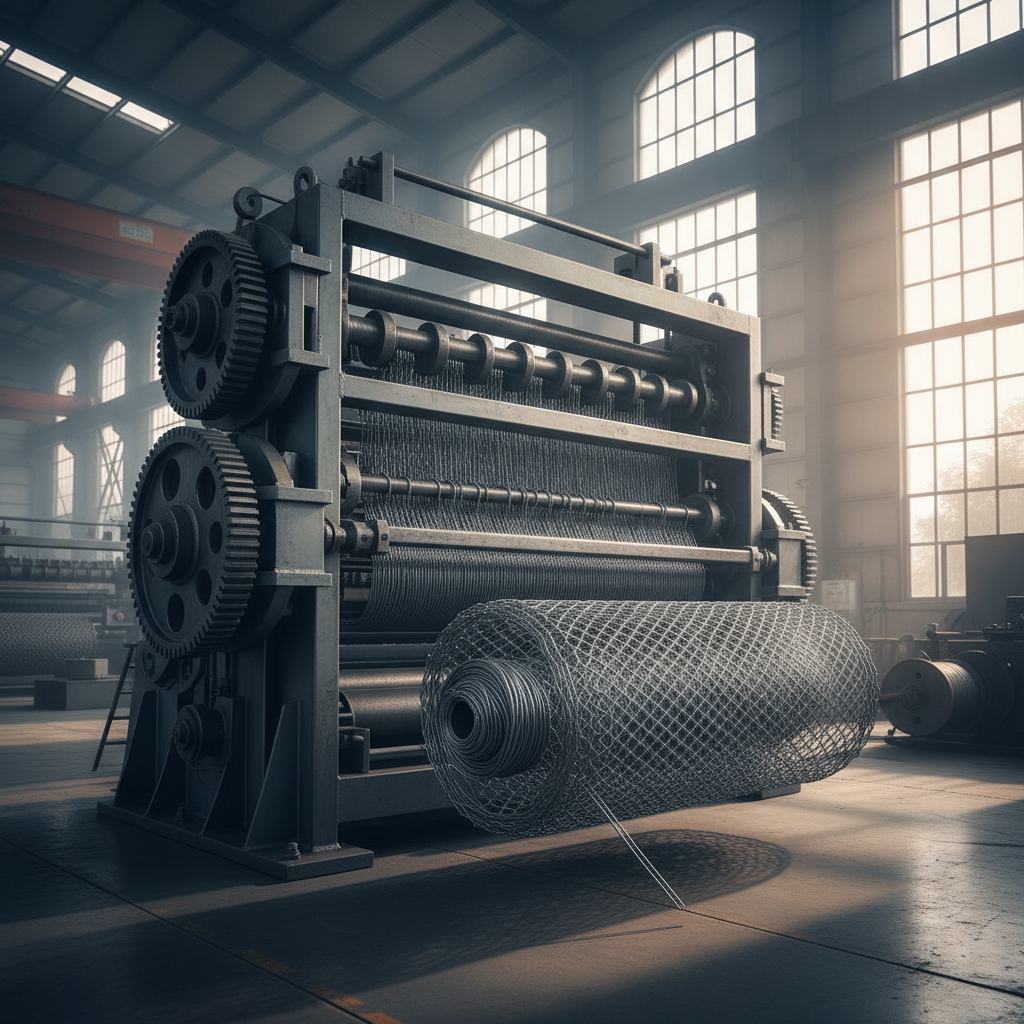
At its core, a gabion wire mesh machine is a specialized industrial loom designed to weave heavy-gauge steel wire into a hexagonal or rectangular grid. Unlike standard fence machines, these units are engineered to handle high-tensile wires and incorporate complex locking mechanisms that ensure the baskets do not unravel under the weight of several tons of stone.
From a humanitarian perspective, these machines are vital for disaster relief. In the wake of earthquakes or floods, the rapid production of gabions allows engineers to create temporary dams or stabilize crumbling roads. The ability to deploy a gabion wire mesh machine in regional hubs ensures that critical materials are produced locally, reducing shipping costs and carbon footprints.
Modern iterations of this equipment now integrate PLC (Programmable Logic Controller) systems, allowing operators to switch between different mesh sizes and widths with minimal downtime. This versatility ensures that a single gabion wire mesh machine can serve multiple market segments, from decorative landscaping to heavy-duty military fortifications.
The efficiency of a gabion wire mesh machine relies heavily on its structural durability. High-grade alloy steel is typically used for the weaving needles and gears to prevent wear and tear during continuous 24-hour operation, ensuring that the tension remains constant across the entire width of the mesh.
Scalability is another defining factor. A professional-grade gabion wire mesh machine must be capable of handling varying wire diameters—from 2.0mm to 4.0mm—without requiring a total overhaul of the mechanical components. This flexibility allows manufacturers to pivot between light-duty garden baskets and heavy-duty river dykes seamlessly.
Finally, cost efficiency is achieved through the reduction of material waste. Modern gabion wire mesh machine designs include precision cutting systems that minimize wire scraps, directly improving the profit margins for the operator while contributing to a more sustainable manufacturing cycle.
The practical application of products from a gabion wire mesh machine is evident in some of the world's most challenging terrains. In the mountainous regions of Southeast Asia and the Andes, gabion walls are used to stabilize slopes and prevent devastating landslides during monsoon seasons. The permeability of the mesh allows water to drain naturally, preventing the hydrostatic pressure buildup that often causes solid concrete walls to fail.
In urban architecture, designers are increasingly using gabions for aesthetic and functional purposes, such as noise barriers along highways or sustainable retaining walls in "green" city parks. The versatility of the gabion wire mesh machine allows for the production of customized mesh sizes that fit these specific architectural requirements.
One of the primary advantages of utilizing a high-quality gabion wire mesh machine is the long-term reliability of the end product. Because these machines maintain consistent tension and precise weaving patterns, the resulting gabions have a uniform strength distribution. This reliability translates into safety for the engineers and the public who rely on these structures for flood defense and soil retention.
From a sustainability angle, the gabion wire mesh machine promotes eco-friendly construction. Gabions allow for the use of locally sourced stones, drastically reducing the need for carbon-heavy concrete transport. This symbiotic relationship between industrial machinery and natural materials creates a construction cycle that is both economically viable and environmentally responsible.
The future of the gabion wire mesh machine is leaning heavily toward "Industry 4.0" integration. We are seeing the introduction of IoT sensors that monitor machine health in real-time, predicting when a part might fail before it actually does. This shift toward predictive maintenance minimizes unplanned downtime and maximizes the ROI for factory owners.
Innovation in materials is also redefining the capabilities of these machines. New polymer coatings and stainless-steel alloys are being introduced to combat the corrosive effects of saltwater in coastal applications. A modern gabion wire mesh machine must now be adaptable to these new, tougher materials without compromising the speed of the weave.
Furthermore, the push for total automation is leading to the development of integrated lines where the gabion wire mesh machine is linked directly to automatic cutting and folding units. This reduces human intervention to a supervisory role, ensuring a level of precision and safety that was previously unattainable in the wire mesh industry.
Despite the advancements, challenges such as wire breakage and uneven tension still persist in lower-end equipment. Expert operators suggest that the solution lies in the precision of the feeding mechanism. By investing in a gabion wire mesh machine with an active tension-control system, manufacturers can virtually eliminate the risk of structural weaknesses in the mesh.
Another common hurdle is the complexity of setup for different mesh sizes. To solve this, leading manufacturers are implementing "quick-change" tooling and digital presets. This allows the gabion wire mesh machine to transition from a standard hexagonal weave to a specialized reinforced pattern in minutes rather than hours.
Lastly, the environmental impact of galvanizing processes used for the wire remains a concern. The industry is moving toward more sustainable zinc-aluminum coatings and organic polymers. Ensuring that the gabion wire mesh machine can process these alternative coatings without scratching or peeling the surface is the current frontier of engineering.
| Machine Model | Max Wire Diameter | Production Speed | Durability Score (1-10) |
|---|---|---|---|
| Standard-S Series | 2.7mm | Medium | 7 |
| Heavy-Duty Pro | 4.0mm | High | 9 |
| Eco-Weave Compact | 2.0mm | Medium | 8 |
| Precision-X PLC | 3.5mm | Very High | 10 |
| Multi-Spec Flex | 3.0mm | High | 8 |
| Industrial Giant | 4.5mm | High | 9 |
A gabion wire mesh machine is specifically designed for high-tensile wires and complex hexagonal weaves that can support massive weights of stone. While fence machines prioritize length and speed for boundaries, gabion machines focus on joint strength, structural rigidity, and the ability to handle thicker, coated wires to ensure the baskets do not deform under pressure.
With proper maintenance and lubrication, a professional-grade industrial machine can last 10 to 15 years. The longevity depends heavily on the quality of the wear parts, such as the weaving needles and gears. Using PLC-driven models often extends the lifespan by preventing mechanical overloads and optimizing the motor's efficiency.
Yes, modern gabion wire mesh machines are engineered to process both galvanized and PVC-coated wires. However, it is important to choose a machine with adjusted tension settings to ensure the coating isn't stripped during the weaving process, which would expose the steel to saltwater corrosion.
Depending on the scale, most machines operate on three-phase industrial power. Newer, energy-efficient models utilize variable frequency drives (VFDs) to reduce power consumption during startup and idle periods, significantly lowering operational costs for large-scale factories.
Not at all. While the internal engineering is complex, the user interface is typically a touch-screen panel with presets. Operators only need to select the desired mesh size and width, making the learning curve much shorter than with traditional manual adjustment machines.
Consistency is key. Ensure your gabion wire mesh machine has a precision tensioning system and calibrate it regularly. Additionally, source your raw wire from certified suppliers and perform periodic tensile strength tests on the finished mesh to verify it meets the specific requirements of your project.
The gabion wire mesh machine stands as a critical link between industrial manufacturing and environmental preservation. By automating the production of high-strength, permeable baskets, this technology enables the creation of infrastructure that works with nature rather than against it. From the precision of PLC controls to the durability of high-tensile weaves, the evolution of these machines has made sustainable erosion control accessible on a global scale.
As we move toward a future of greener cities and more resilient coastlines, investing in advanced weaving technology is no longer optional—it is a strategic necessity. Whether you are a manufacturer looking to scale production or a civil engineer seeking reliable materials, the right machinery ensures safety, efficiency, and long-term value. Explore the latest in industrial weaving at our website: www.htmeshmachines.com

If you are interested in our products, you can choose to leave your information here, and we will be in touch with you shortly.