Hit enter to search or ESC to close
Automatic wire mesh machines have revolutionized the construction, agricultural, and industrial sectors globally. These machines automate the process of weaving wires into a mesh, offering significant advantages over manual methods in terms of speed, consistency, and cost-effectiveness. Understanding the intricacies of these machines—from their core components to their diverse applications—is crucial for professionals and industries seeking to optimize their operations and benefit from modern manufacturing capabilities.
The demand for automatic wire mesh machines is driven by several factors, including the growing infrastructure development in emerging economies, increasing need for secure fencing in residential and commercial areas, and the expanding use of wire mesh in various industrial applications like filtration, reinforcement, and animal containment. These machines aren't just about increased production; they represent a shift towards greater precision and quality in wire mesh manufacturing.
Ultimately, investing in an automatic wire mesh machine can unlock substantial benefits, allowing businesses to meet evolving market demands, improve product quality, and achieve long-term sustainable growth. This technology is pivotal in shaping the future of wire mesh production.
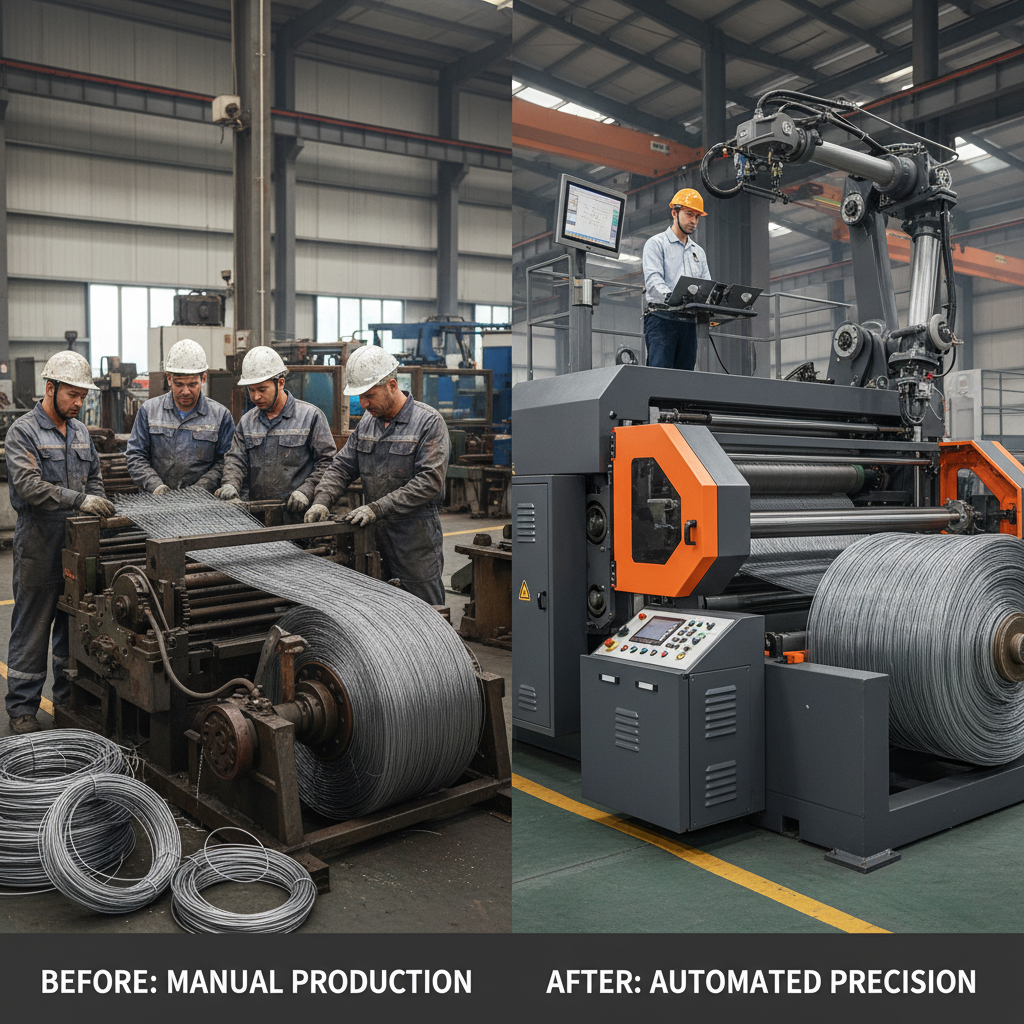
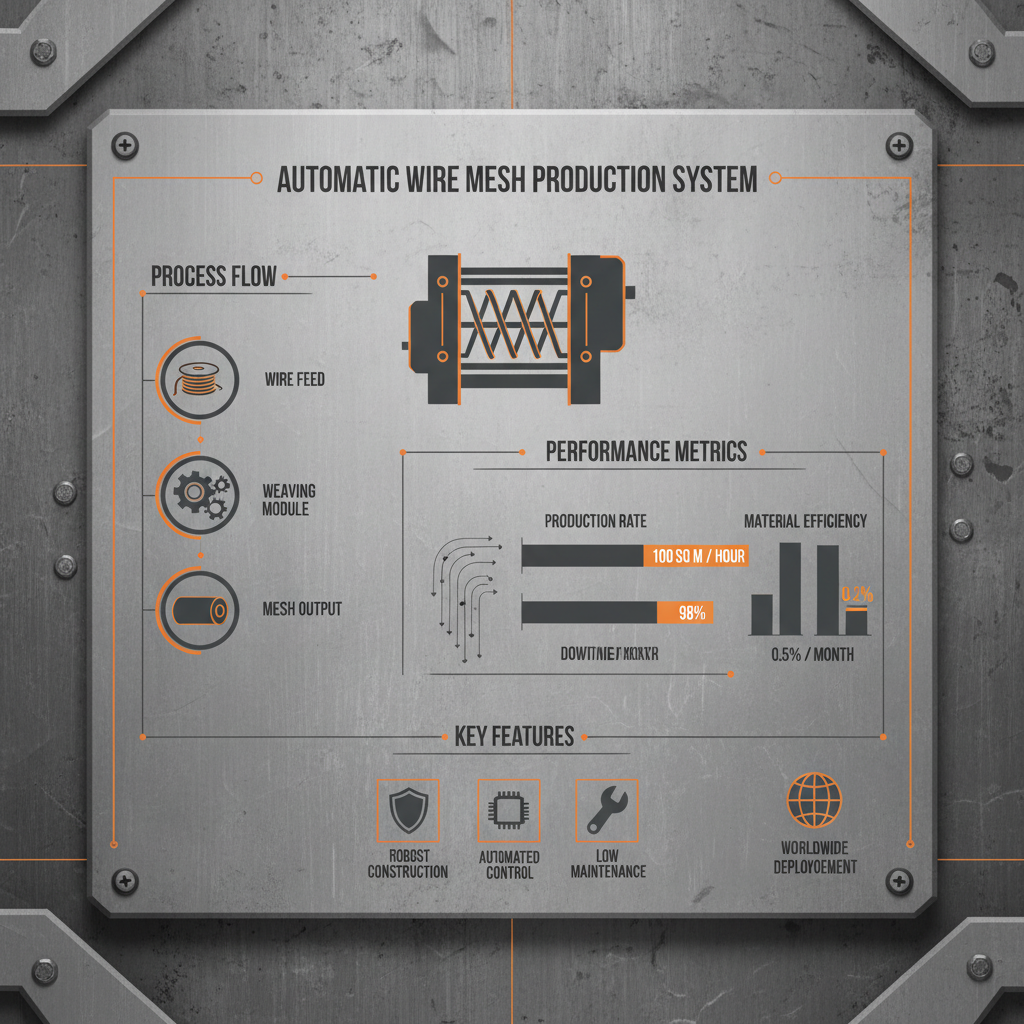
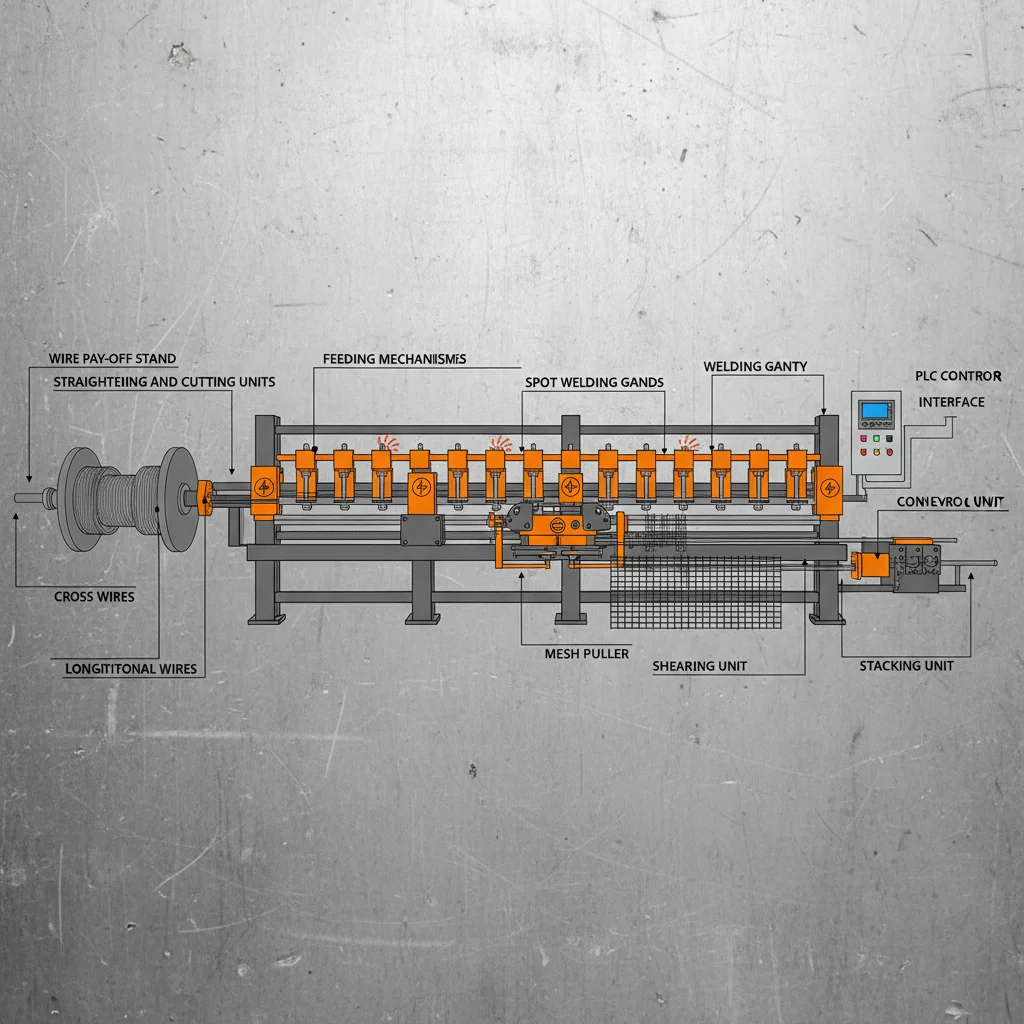
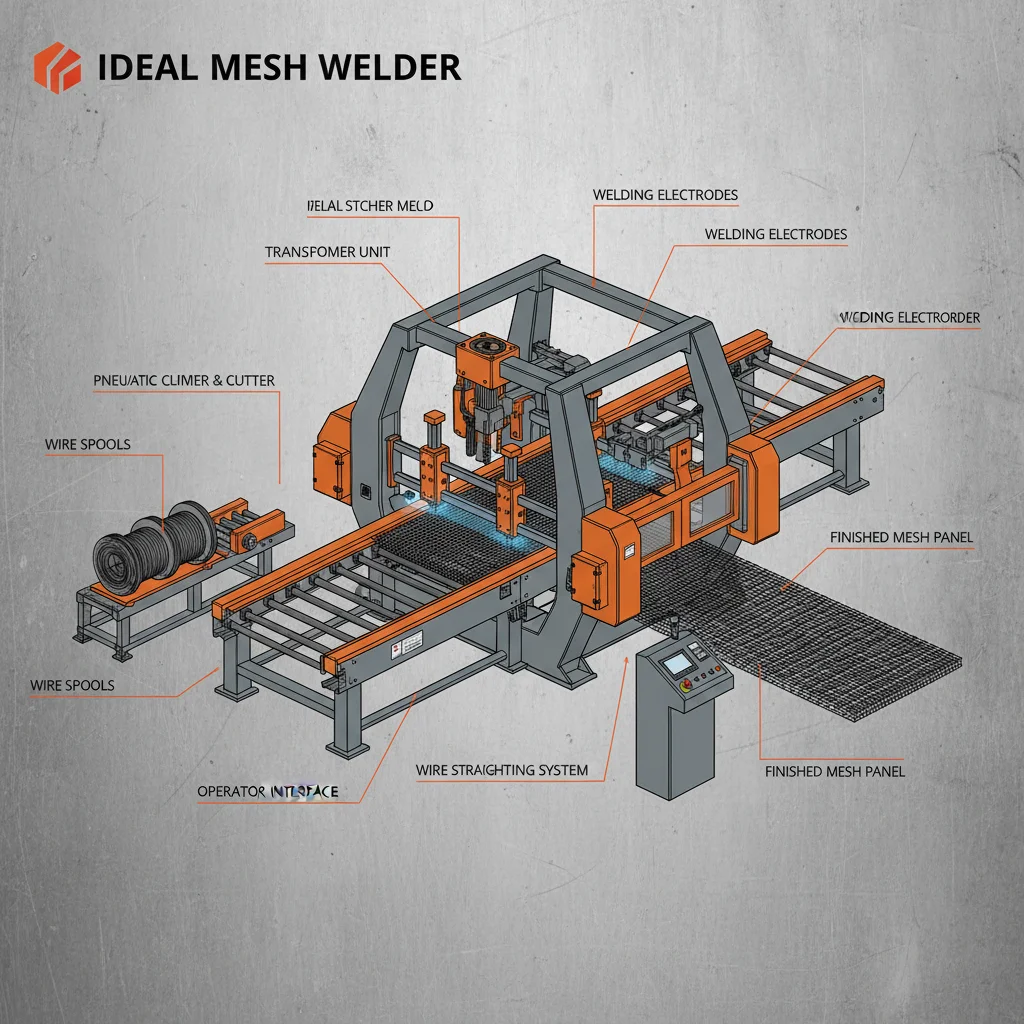
Automatic wire mesh machines represent a significant leap forward in the manufacturing of wire mesh products. They are complex systems designed to take raw wire coils and, through a series of automated processes, transform them into consistent, high-quality mesh. The efficiency and precision offered by these machines are unparalleled, making them a staple in modern industrial production.
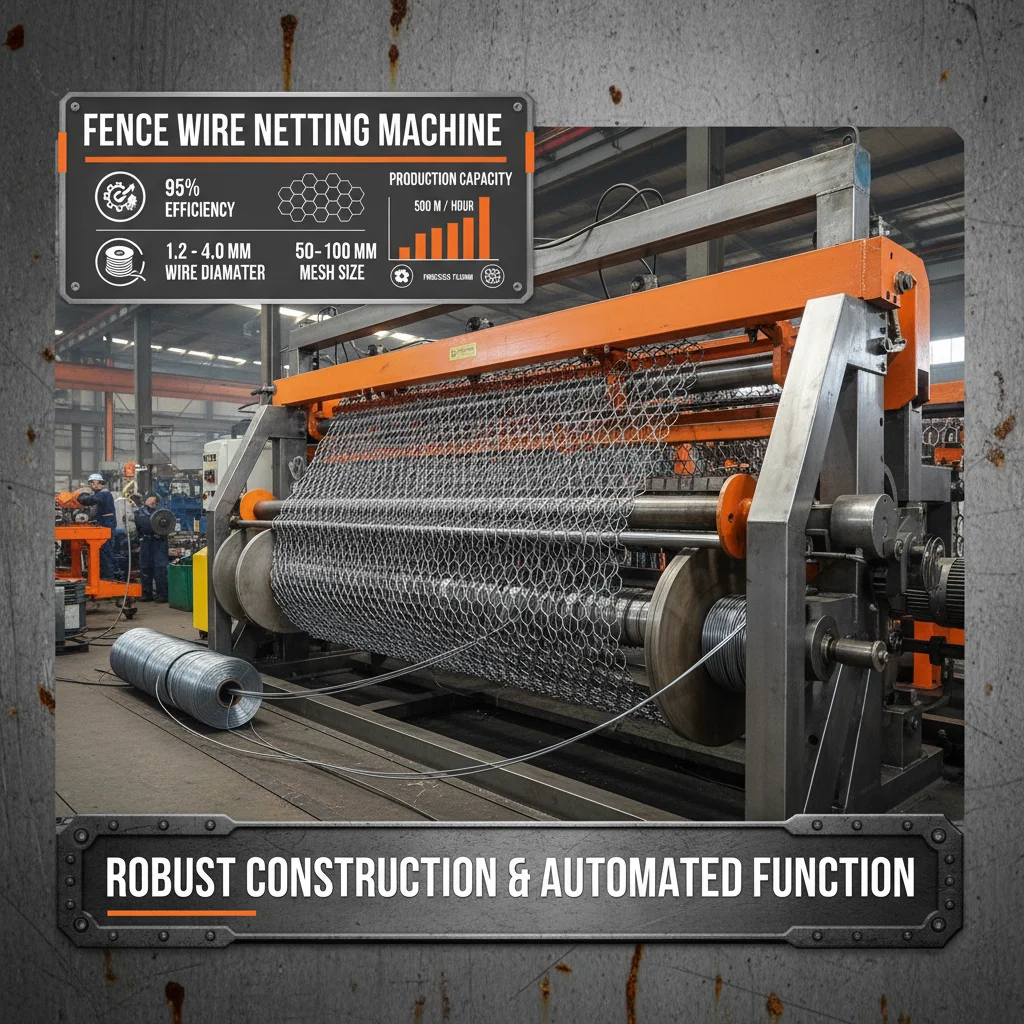
These machines aren't simply about speed; they offer control over mesh size, wire diameter, and overall product consistency. This level of control is crucial for applications where specific mesh characteristics are required, such as in high-security fencing or specialized filtration systems. Investing in an automatic wire mesh machine is a commitment to precision and reliability.
Regular maintenance is crucial for maximizing the lifespan and performance of your machine. This includes daily lubrication of moving parts, weekly inspections for wear and tear, and annual servicing by a qualified technician. Replacing worn components promptly and keeping the machine clean are also essential. A well-maintained machine minimizes downtime and ensures consistent product quality.
Most automatic wire mesh machines are versatile and can handle a variety of wire types, including galvanized steel, stainless steel, aluminum, and even coated wires. However, it’s essential to check the machine's specifications to ensure compatibility with the wire’s diameter, tensile strength, and coating. Using incompatible wire can damage the machine or affect the quality of the mesh.
Safety is paramount in the design of automatic wire mesh machines. Common features include emergency stop buttons, safety guards around moving parts, and overload protection systems. Many machines also incorporate light curtains or sensors to automatically halt operation if a hazard is detected. Regular safety training for operators is also crucial.
Automation drastically improves cost-effectiveness. While the initial investment is higher, automatic wire mesh machines significantly reduce labor costs, minimize material waste, and increase production speed. This leads to lower per-unit costs and a faster return on investment. The consistency and quality of the mesh also reduce the risk of defects and rework.
While these machines are automated, some level of technical expertise is needed for operation and maintenance. Operators should be trained in the machine's controls, safety procedures, and basic troubleshooting. Maintenance typically requires a skilled technician familiar with mechanical and electrical systems.
Many automatic wire mesh machines offer customization options to produce various mesh patterns, apertures, and wire diameters. PLC-based controls allow for easy adjustments to the weaving parameters. Some manufacturers also offer custom-designed machines to meet unique specifications and production requirements.
Automatic wire mesh machines have become integral to a wide range of industries, offering unmatched efficiency, precision, and cost-effectiveness. From construction and agriculture to security and manufacturing, these machines play a critical role in producing the wire mesh products that underpin modern infrastructure and everyday life. Embracing this technology is not just about streamlining production—it's about investing in a sustainable future.
Looking ahead, continued innovation in automation, materials science, and AI will further enhance the capabilities of these machines. Businesses that proactively adopt these advancements will be well-positioned to meet evolving market demands, maintain a competitive edge, and contribute to a more efficient and sustainable world. For reliable and innovative automatic wire mesh machine solutions, visit our website today.