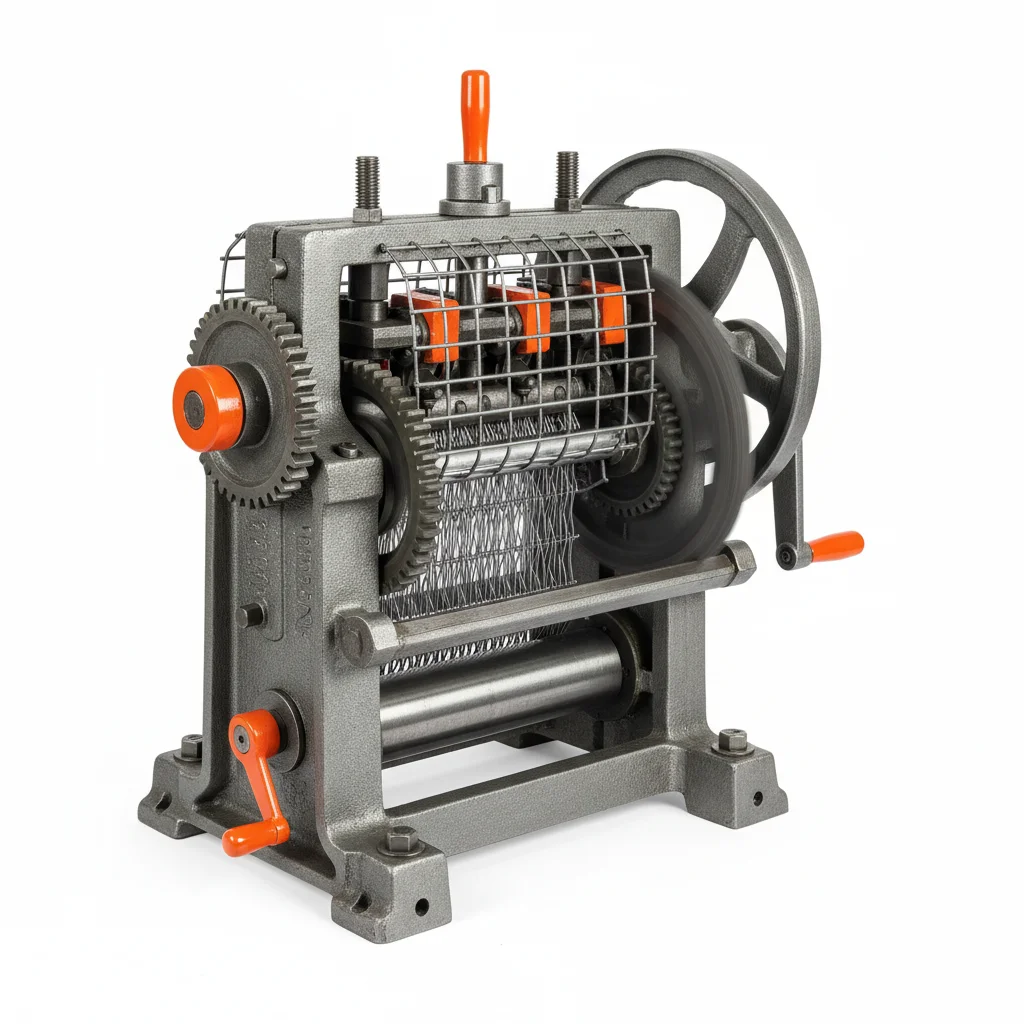
The production of high-quality poultry enclosures, erosion control barriers, and industrial filters relies heavily on the precision of a hexagonal wire mesh machine. This specialized equipment transforms raw galvanized or stainless steel wire into a structurally sound, interlocking honeycomb pattern that offers a unique balance of flexibility and strength. For manufacturers in the metallurgical and mechanical equipment sectors, investing in the right weaving technology is the difference between inconsistent output and market-leading quality.
Across the globe, the demand for versatile fencing solutions has surged, driving the evolution of the hexagonal wire mesh machine from simple mechanical looms to highly automated systems. Whether it is for agricultural boundary marking in Southeast Asia or large-scale gabion installations for riverbank stabilization in Europe, the efficiency of these machines directly impacts the cost-effectiveness of infrastructure projects. Understanding the mechanical nuances of these systems allows operators to optimize wire tension and mesh size for specific industrial needs.
Modern industrial landscapes require equipment that can handle high-tensile materials without compromising the integrity of the hexagonal twist. A professional-grade hexagonal wire mesh machine addresses these challenges by integrating precision gearing and synchronized feeding mechanisms. By bridging the gap between raw material processing and final product application, these machines serve as a cornerstone for the global wire mesh industry, ensuring that safety and containment standards are met worldwide.

Global Relevance and Industry Context
The global wire mesh market is inextricably linked to the growth of the construction and agricultural sectors. According to international trade data, the reliance on a hexagonal wire mesh machine has increased as emerging economies invest in rural development and flood prevention infrastructure. These machines solve the critical problem of creating a lightweight yet durable barrier that can be easily transported and installed in remote terrains, where rigid fencing is impractical.
From an ISO standardization perspective, the consistency of the hexagonal aperture is vital for safety certifications. In regions prone to soil erosion, the deployment of chicken wire or heavier gabion mesh—both produced by the hexagonal wire mesh machine—provides a sustainable way to manage land degradation. The ability to scale production rapidly makes this technology a key asset for governments and NGOs working on large-scale environmental restoration.
Technical Definition and Core Purpose
In simple technical terms, a hexagonal wire mesh machine is a specialized weaving loom designed to twist individual strands of metal wire into a continuous, interlocking hexagonal pattern. Unlike welded mesh, which relies on heat and pressure, the hexagonal variety is mechanically twisted, allowing the mesh to be flexible and "self-closing" when distorted, which prevents the holes from widening under pressure.
This mechanical characteristic is essential for modern humanitarian and agricultural needs. For instance, in the creation of livestock enclosures, the flexible nature of the mesh ensures that it can contour to uneven landscapes without breaking. This makes the equipment indispensable for producing "chicken wire" and "poultry netting," providing a cost-effective solution for food security initiatives in developing regions.
Furthermore, the core purpose of the hexagonal wire mesh machine extends to industrial filtration and reinforcement. By adjusting the wire gauge and the mesh size, manufacturers can create products that range from delicate insect screens to heavy-duty reinforcement for concrete structures, demonstrating the machine's versatility across diverse industrial applications.
Essential Components for Operational Success
The durability of a hexagonal wire mesh machine is primarily determined by its drive system and the quality of its twisting heads. Precision-engineered gears ensure that the wire is fed at a constant speed, preventing tension spikes that could lead to wire breakage or irregular mesh shapes. This reliability is crucial for maintaining a high OEE (Overall Equipment Effectiveness) in a factory setting.
Scalability is another key factor; a high-end hexagonal wire mesh machine allows for quick changeovers between different mesh sizes. By replacing the guiding rollers and adjusting the twisting parameters, a single production line can switch from producing small-aperture poultry mesh to larger-aperture garden fencing, maximizing the machine's utility and return on investment.
Finally, cost efficiency is achieved through the integration of automated tension control systems. By minimizing material waste and reducing the need for manual intervention, the hexagonal wire mesh machine ensures that the maximum amount of raw wire is converted into sellable product. This focus on precision reduces the scrap rate and lowers the overall cost per linear meter of mesh produced.
Performance Metrics and Cost Efficiency
When evaluating the performance of a hexagonal wire mesh machine, operators typically look at production speed versus weave consistency. A machine that produces high volumes but suffers from "skipped twists" creates a product that fails safety inspections. Therefore, the industry focuses on the synergy between mechanical speed and the precision of the twisting mechanism.
The long-term cost efficiency of the hexagonal wire mesh machine is also influenced by the energy consumption of the motor and the wear-and-tear on the contact parts. Utilizing hardened steel alloys for the weaving components extends the maintenance cycle, reducing downtime and ensuring a steady flow of production for high-demand contracts.
Comparison of Production Efficiency by Machine Type
Global Applications and Real-World Use Cases
In real-world contexts, the output of a hexagonal wire mesh machine is vital for environmental engineering. For example, in the mountainous regions of South America, hexagonal gabion baskets are filled with rocks to prevent landslide-induced road closures. These baskets, woven by heavy-duty machinery, provide the structural flexibility needed to shift slightly with the earth without rupturing, protecting thousands of lives and critical transport links.
Beyond civil engineering, the hexagonal wire mesh machine serves the agricultural heartlands of the Midwest and Central Asia. By producing affordable, corrosion-resistant poultry fencing, these machines enable small-scale farmers to protect their livestock from predators, thereby increasing food security and rural economic stability. The ability to produce mesh in various gauges allows for the creation of everything from lightweight bird netting to robust livestock barriers.
Long-Term Value and Sustainable Benefits
The long-term value of investing in a premium hexagonal wire mesh machine lies in its contribution to sustainable infrastructure. Unlike plastic netting, which degrades into microplastics and pollutes the soil, galvanized steel mesh produced by these machines is often recyclable and lasts for decades. This shift toward durable, metal-based containment reduces the frequency of replacement and minimizes the environmental footprint of fencing projects.
From a logical and emotional perspective, the reliability of this equipment fosters trust between the manufacturer and the end-user. When a contractor knows that the mesh was produced on a precision-calibrated hexagonal wire mesh machine, they can guarantee the safety and security of the enclosure. This reliability translates into peace of mind for the farmer protecting their livelihood or the engineer securing a riverbank.
Furthermore, the innovation in these machines allows for the use of specialized coatings, such as PVC or epoxy. This expansion of material capability ensures that the hexagonal wire mesh machine remains relevant even in highly corrosive saline environments, such as coastal regions, providing a high-value solution for maritime infrastructure.
Future Innovations in Mesh Weaving Technology
The future of the hexagonal wire mesh machine is being shaped by the "Industry 4.0" digital transformation. We are seeing the introduction of IoT sensors that monitor wire tension and motor heat in real-time, allowing for predictive maintenance. This means a machine can alert the operator to a potential failure before it happens, eliminating unplanned downtime and maximizing production windows.
Sustainability is also driving the development of "Green Weaving" technologies. New hexagonal wire mesh machine models are incorporating energy-efficient servo motors that reduce electricity consumption by up to 30%. Additionally, there is an increasing focus on weaving recycled steel wire, reducing the reliance on virgin ore and aligning the industry with global carbon neutrality goals.
Automation is the final frontier, with AI-driven quality control systems now being integrated into the production line. These systems use high-speed cameras to detect any irregularity in the hexagonal pattern of the hexagonal wire mesh machine output, automatically marking defective sections for removal. This ensures a 100% quality guarantee for the end customer and further reduces material waste.
Technical Analysis of Hexagonal Wire Mesh Machine Innovations
| Innovation Type |
Impact on Production |
Resource Efficiency |
Adoption Score (1-10) |
| IoT Monitoring |
Prevents unplanned downtime |
Optimizes energy use |
8 |
| Servo-Motor Drive |
Precise speed control |
Low power consumption |
9 |
| AI Vision Inspection |
Zero-defect output |
Reduced scrap waste |
7 |
| Recycled Wire Weaving |
Sustainable material flow |
Circular economy focus |
6 |
| Auto-Tensioning System |
Consistent mesh size |
Less wire breakage |
10 |
| Modular Tooling |
Rapid product switching |
Lower tooling costs |
8 |
FAQS
The primary difference lies in the joining method. A hexagonal wire mesh machine uses a mechanical twisting process to interlock wires, resulting in a flexible mesh that doesn't unravel. In contrast, a welded mesh machine uses electrical resistance welding to fuse wires at a 90-degree angle, creating a rigid, non-flexible grid. The hexagonal version is ideal for contoured surfaces, while welded mesh is better for flat, structural reinforcement.
Yes, most professional-grade hexagonal wire mesh machines are designed with adjustable components. By changing the guiding rollers, adjusting the twisting head settings, and modifying the wire feed speed, operators can produce various aperture sizes—ranging from small chicken wire to larger garden or industrial mesh—on the same machine, provided the wire gauge remains within the machine's operating range.
Regular lubrication of the gearing system and the twisting heads is the most critical maintenance task. Additionally, operators should inspect the wire guides for wear and tear to prevent friction-induced wire breakage. We recommend a weekly calibration of the tensioning system and a monthly deep-clean of the drive assembly to remove metallic dust, which can act as an abrasive and shorten the machine's lifespan.
The majority of these machines are designed for galvanized iron wire, as it provides the best balance of flexibility and corrosion resistance. However, high-performance hexagonal wire mesh machines can also process stainless steel wire, PVC-coated wire, and in some specialized cases, aluminum wire. The choice of material depends on the hardness and tensile strength, which must match the machine's twisting capacity.
Modern machines are increasingly energy-efficient, especially those equipped with servo motors. For small businesses, these machines offer a high return on investment because they automate a labor-intensive process. By reducing manual labor and minimizing waste, the energy costs are easily offset by the increase in production speed and the superior quality of the final product compared to manual weaving.
Importing a hexagonal wire mesh machine requires coordinating shipping via sea freight, usually in reinforced crates to protect the precision gears. It is essential to ensure the machine matches your local voltage and frequency standards (e.g., 220V/50Hz vs 110V/60Hz). We recommend working with a supplier that provides comprehensive installation manuals and remote technical support to ensure a smooth setup process upon arrival.
Conclusion
The hexagonal wire mesh machine stands as a pivotal piece of technology in the intersection of metallurgy and civil infrastructure. By converting raw wire into a versatile, interlocking mesh, this equipment enables everything from sustainable agriculture to critical flood defense systems. We have explored how precision components, automated tensioning, and evolving digital integrations are driving the industry toward greater efficiency, lower waste, and higher product reliability.
Looking forward, the transition toward smarter, greener manufacturing will only increase the value of high-precision weaving technology. For manufacturers seeking to remain competitive in a global market, upgrading to an automated hexagonal wire mesh machine is not just an operational improvement, but a strategic investment in sustainability and quality. We encourage you to explore the latest in wire mesh technology to future-proof your production line. Visit our website: www.htmeshmachines.com